
Gantry Crane Price Guide 2026: Cost by Tonnage & Configuration
Table of Contents
Why a Gantry Crane Price Guide?
Key Factors That Affect Gantry Crane Price
Gantry Crane Price Table (1 – 100 tons)
Detailed Price Breakdown by Tonnage
Single Girder vs Double Girder – Price Difference
Portable vs Rail‑Mounted vs Rubber‑Tired – Cost Comparison
Extra Costs You Should Know About
How to Get an Accurate Quote
Frequently Asked Questions (FAQ)
Ready to Buy? Contact SLKJCrane
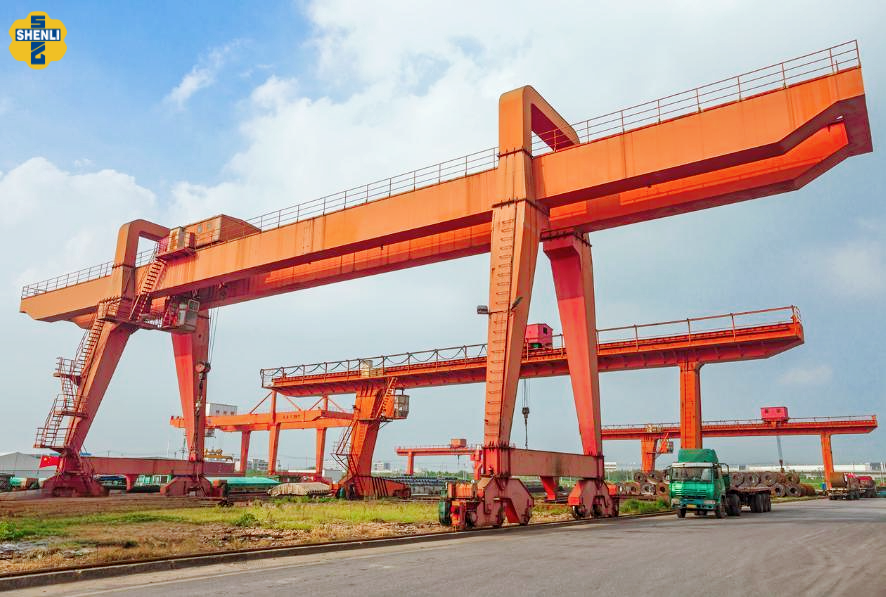
1. Why a Gantry Crane Price Guide?
If you are searching for “gantry crane price”, you already know one thing: you need a crane. What you probably don’t know is what a fair price looks like for your specific capacity, span, and working conditions.
Here is the honest truth. Gantry cranes are not like buying a forklift or a pallet jack. Prices vary widely because every crane is built to order. A 5‑ton portable crane costs very different from a 50‑ton rail‑mounted unit.
This guide gives you realistic price ranges for gantry cranes from 1 ton up to 100 tons. You will also learn why prices differ, what add‑ons cost extra, and how to avoid overpaying.
All prices in this guide are estimates for standard electric gantry cranes. They include the crane structure, hoist, and basic controls – but not shipping, installation, or custom features. Use them as a starting point.
Let us start with what makes a gantry crane price go up or down.
2. Key Factors That Affect Gantry Crane Price
Manufacturers calculate price based on several factors. Understanding these helps you compare quotes and avoid surprises.
2.1 Lifting Capacity (Tonnage)
The single biggest factor. A 1‑ton gantry crane uses much less steel and a smaller hoist than a 20‑ton crane. As capacity doubles, price typically increases by 40‑60%, not 100% – because the structure becomes heavier but not proportionally more complex.
From 1 ton to 10 tons, price growth is gradual. From 10 tons to 30 tons, it gets steeper. Above 30 tons, prices climb quickly because reinforced beams, larger wheels, and heavier rail requirements add cost.
2.2 Span (Distance Between Legs)
Span is the width the crane covers. A 5‑ton crane with a 6‑meter span is cheaper than the same crane with a 20‑meter span. Longer spans require heavier girders to prevent sagging. Every extra meter of span adds steel and engineering cost.
2.3 Lifting Height
Higher lifting height means longer wire rope, taller legs, and sometimes a stronger hoist drum. Adding 2‑3 meters of height usually adds 5‑10% to the base price.
2.4 Structural Design – Single Girder vs Double Girder
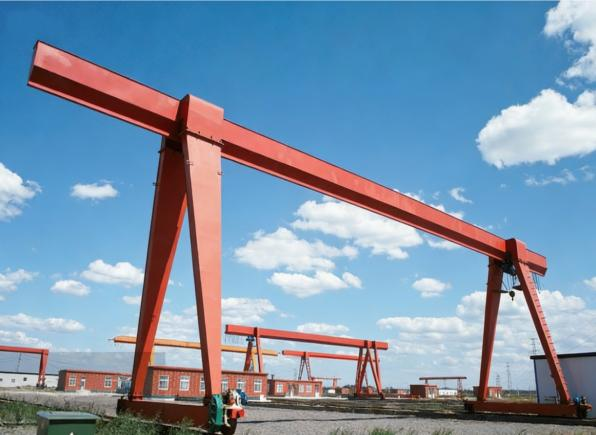
A single girder crane has one main beam. It is lighter, simpler, and cheaper – typically 30‑50% less than a double girder of the same capacity.
A double girder crane has two beams. It costs more but offers higher lifting height, better stability for heavy loads, and the ability to handle frequent duty cycles. For capacities over 20 tons, double girder is not just better – it is often the only practical choice.
2.5 Mobility Type (Portable, Rail‑Mounted, Rubber‑Tired)
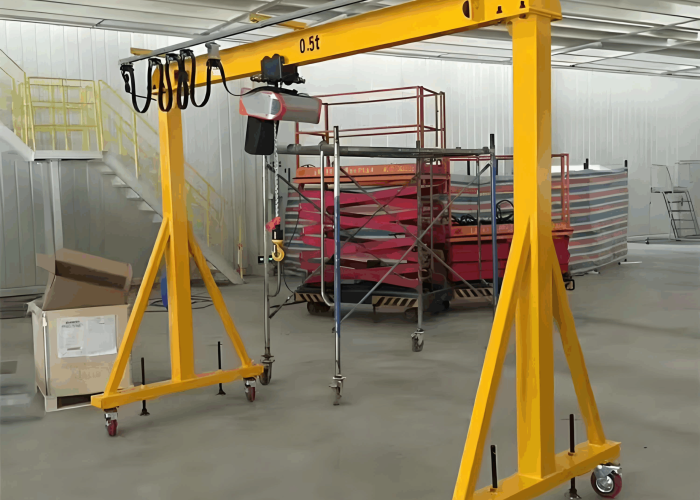
Portable gantry crane – On casters or wheels. Movable by hand. Lowest cost, but limited to light loads (usually under 5 tons).
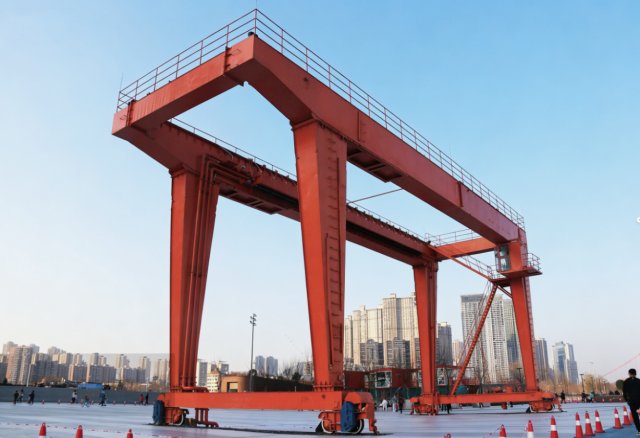
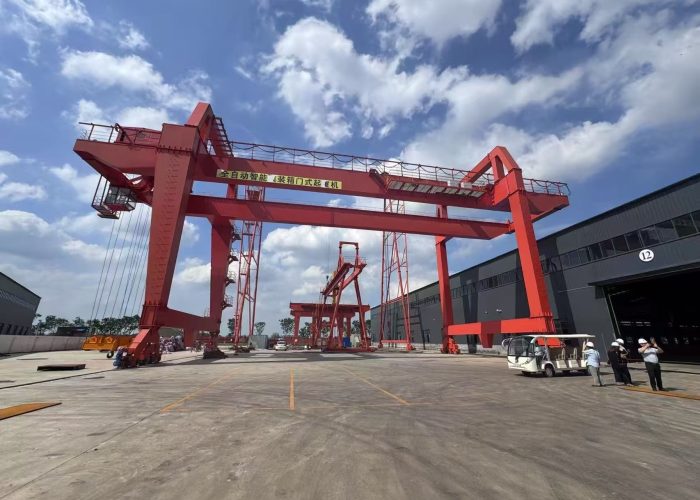
Rail‑mounted gantry crane (RMG) – Runs on fixed steel rails. Higher precision and stability. Cost includes rails and foundation work.
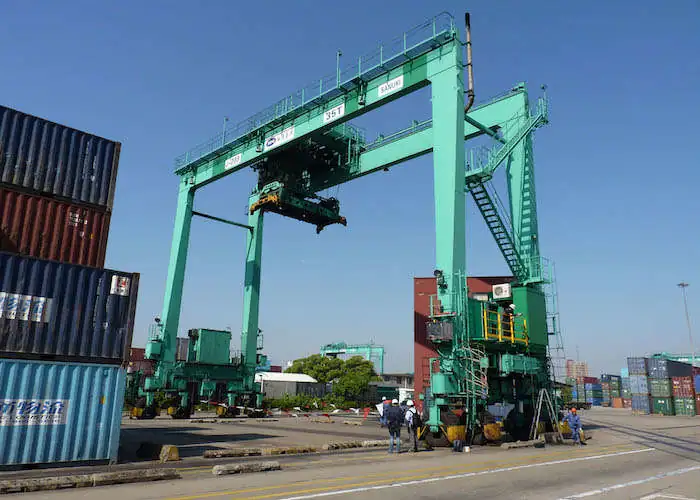
Rubber‑tired gantry crane (RTG) – On large rubber tires, self‑propelled. Most expensive among standard types, but very flexible for outdoor yards.
2.6 Duty Cycle (How Often You Use It)
Cranes are rated for different workloads. A crane for occasional use (CMAA Class A or B) is cheaper than one for continuous use (CMAA Class D, E, or F). The difference can be 20‑40% for the same tonnage because heavy‑duty components cost more.
2.7 Control System
Pendant control (wired) – standard, lowest cost.
Radio remote control – adds 500‑500‑2,000 depending on range and features.
Cabin control – most expensive, adds 3,000‑3,000‑10,000 depending on comfort and ergonomics.
2.8 Power Supply Options
Cable reel – standard for rail‑mounted cranes.
Busbar (conductor bar) – common for long‑distance travel.
Battery‑powered – for portable or rubber‑tired units. Adds cost but increases mobility.
2.9 Special Features
Anti‑sway system – reduces load swinging. Adds 1,000‑1,000‑5,000.
Variable frequency drive (VFD) – smooth starts and stops. Adds 2,000‑2,000‑8,000.
Overload limiter – usually standard, but advanced versions add cost.
Corrosion‑resistant coating – for marine or chemical environments. Adds 10‑15%.
Heat‑resistant components – for steel mills or foundries. Adds 15‑30%.
2.10 Brand and Manufacturer
Established manufacturers with local service networks charge more than unknown brands. You pay for engineering, certification (ASME, FEM, ISO), and after‑sales support. A crane from a no‑name supplier might be 30% cheaper, but replacement parts could take months.
Now let us look at actual price ranges.
3. Gantry Crane Price Table (1 – 100 tons)
The table below shows estimated price ranges for standard single girder gantry cranes (up to 20 tons) and double girder gantry cranes (20 tons and above). Prices are in USD.
| Capacity | Typical Span | Price Range (USD) | Typical Applications |
|---|---|---|---|
| 1 ton | 3 – 8 m | 2,500–2,500–5,000 | Small workshops, garage, maintenance |
| 2 – 3 tons | 4 – 10 m | 4,000–4,000–8,000 | Fabrication shops, machine repair |
| 5 tons | 6 – 15 m | 7,000–7,000–15,000 | Small factories, warehouses, light assembly |
| 10 tons | 8 – 20 m | 12,000–12,000–25,000 | Medium workshops, metal fabrication |
| 15 – 16 tons | 10 – 25 m | 18,000–18,000–35,000 | Machinery manufacturing, steel service centers |
| 20 tons | 12 – 30 m | 25,000–25,000–45,000 | Heavy fabrication, precast concrete yards |
| 30 tons (double girder) | 15 – 35 m | 40,000–40,000–70,000 | Steel mills, shipyard component handling |
| 50 tons (double girder) | 18 – 40 m | 65,000–65,000–120,000 | Heavy steel processing, port auxiliary |
| 75 – 100 tons (double girder) | 20 – 50 m | 100,000–100,000–200,000+ | Large shipyard sections, heavy equipment assembly |
Important: These are base equipment prices – crane structure, hoist, standard pendant control, and basic safety devices. They do not include shipping, customs, installation, or site preparation. For rail‑mounted types, the rails and foundation are additional. For rubber‑tired types, expect a premium of 20‑50% above rail‑mounted prices.
Now let us go through each tonnage range in more detail.
4. Detailed Price Breakdown by Tonnage
1 – 2 Ton Gantry Crane
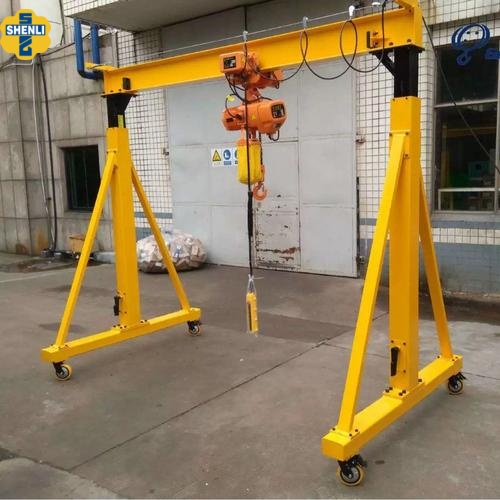
These are usually portable or adjustable models. Light steel or aluminium construction. Casters for easy movement. Height and span often adjustable.
Price range: 2,500–2,500–5,000
Who buys them: Small repair shops, garages, HVAC installers, hobbyists.
Typical features: Manual trolley, chain hoist (or small electric hoist for an extra 500‑500‑1,000). No foundation needed.
Example: A 1‑ton portable aluminium gantry crane with a manual chain hoist costs around 2,800.Addanelectrichoistandyouarecloserto2,800.Addanelectrichoistandyouarecloserto3,800.
5 Ton Gantry Crane
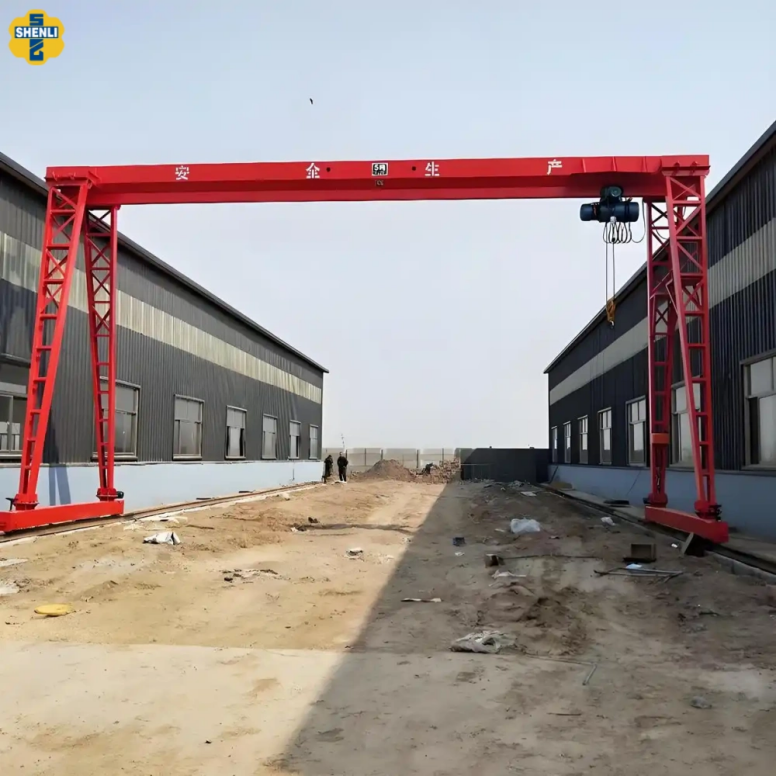
This is the most popular size for small‑to‑medium businesses. Most buyers choose single girder with an electric wire rope hoist. Either portable (on casters) or fixed on light rails.
Price range: 7,000–7,000–15,000
Span: Usually 6‑15 meters.
Who buys them: Fabrication shops, machine shops, small warehouses, light assembly lines.
Typical extra costs: Radio remote control (800‑800‑1,500), variable frequency drive for smooth operation (2,000‑2,000‑3,000).
Example: A basic 5‑ton single girder gantry crane with a 10‑meter span, pendant control, and standard hoist costs about 10,000.AddaVFDandremotecontrol–around10,000.AddaVFDandremotecontrol–around14,000.
10 Ton Gantry Crane
Still in the single girder range for most applications, but the steel structure becomes heavier. Spans up to 20 meters are common.
Price range: 12,000–12,000–25,000
Who buys them: Medium‑sized fabrication shops, metal service centers, precast concrete yards.
Typical features: Larger hoist motor, heavier end trucks, reinforced beams.
Example: A 10‑ton gantry crane with 15‑meter span, electric hoist, and pendant control – approximately 18,000.Betterbrakingsystemsaddaround18,000.Betterbrakingsystemsaddaround2,000.
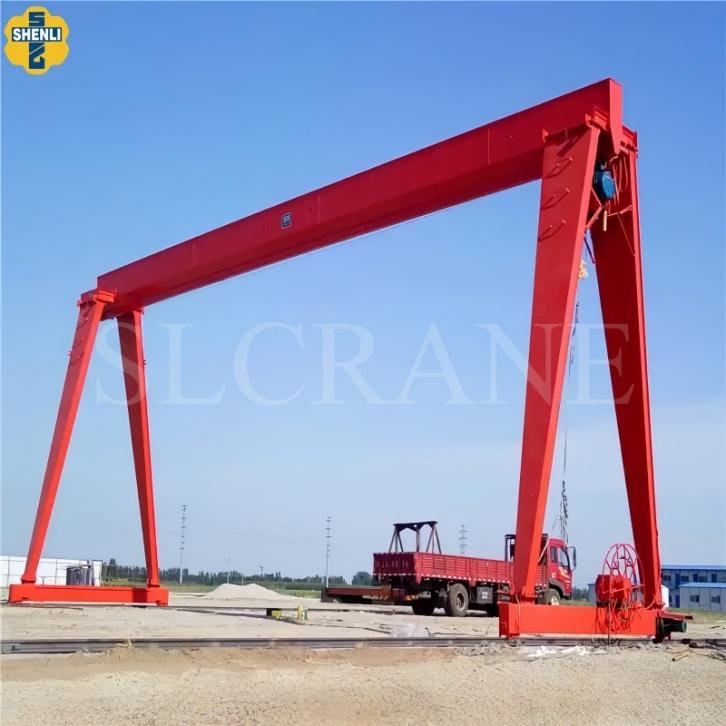
16 – 20 Ton Gantry Crane
At 20 tons, you are at the limit of practical single girder design. Many buyers step up to double girder for better stability and lifting height.
Price range: 18,000–18,000–45,000
Who buys them: Heavy fabrication, machinery manufacturing, large precast yards.
Key decision point: If your lifting height is critical or you run the crane more than 4 hours a day, choose double girder. It adds 8,000‑8,000‑15,000 but saves you from underbuying.
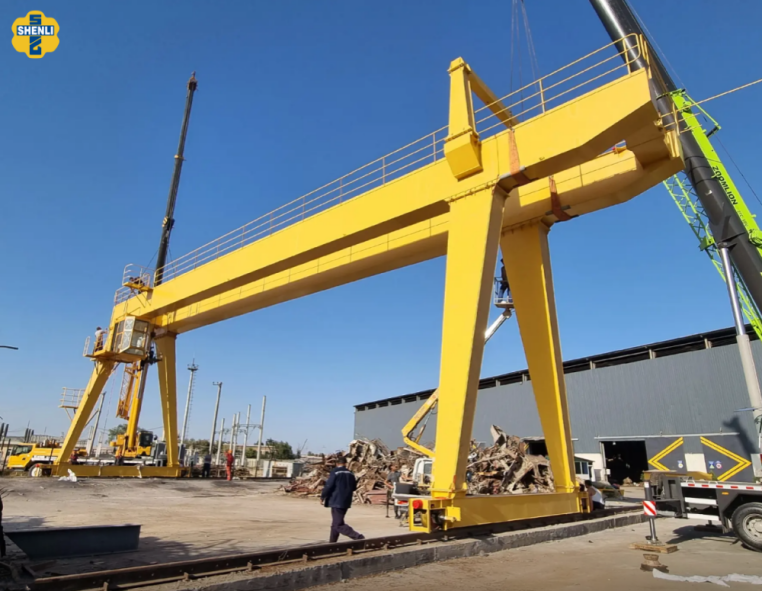
30 – 50 Ton Gantry Crane
Now we are firmly in double girder territory. These cranes are heavy, require rail mounting in most cases, and need a proper foundation.
Price range (30 tons): 40,000–40,000–70,000
Price range (50 tons): 65,000–65,000–120,000
Who buys them: Steel mills, heavy equipment manufacturers, large shipyard component yards.
Typical features: Dual trolley options, anti‑sway systems (add 3,000‑3,000‑8,000), cabin control (add 5,000‑5,000‑10,000).
Example: A 50‑ton double girder gantry crane with 30‑meter span, radio remote, anti‑sway, and rail kit – roughly 95,000–95,000–110,000 plus shipping.
30 – 50 Ton Gantry Crane
Now we are firmly in double girder territory. These cranes are heavy, require rail mounting in most cases, and need a proper foundation.
Price range (30 tons): 40,000–40,000–70,000
Price range (50 tons): 65,000–65,000–120,000
Who buys them: Steel mills, heavy equipment manufacturers, large shipyard component yards.
Typical features: Dual trolley options, anti‑sway systems (add 3,000‑3,000‑8,000), cabin control (add 5,000‑5,000‑10,000).
Example: A 50‑ton double girder gantry crane with 30‑meter span, radio remote, anti‑sway, and rail kit – roughly 95,000–95,000–110,000 plus shipping.
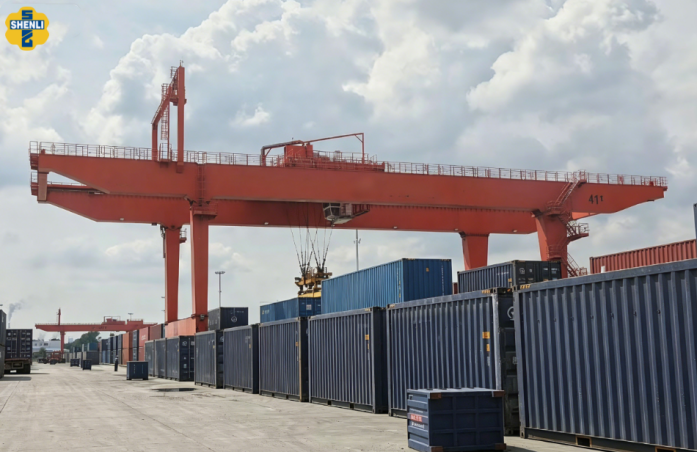
75 – 100+ Ton Gantry Crane
Fully custom engineering. These are used in large shipyards, heavy steel processing, and port operations.
Price range: 100,000–100,000–200,000+ (can go much higher for 200+ ton special designs)
Who buys them: Shipyards, port terminals, large steel mills.
What you get: Very heavy girders, multiple trolleys, advanced safety systems, often custom‑designed for a specific building or dry dock.
For capacities above 100 tons, prices become highly project‑specific. Expect to invest 200,000–200,000–500,000 or more for a true heavy‑lift gantry crane.
75 – 100+ Ton Gantry Crane
Fully custom engineering. These are used in large shipyards, heavy steel processing, and port operations.
Price range: 100,000–100,000–200,000+ (can go much higher for 200+ ton special designs)
Who buys them: Shipyards, port terminals, large steel mills.
What you get: Very heavy girders, multiple trolleys, advanced safety systems, often custom‑designed for a specific building or dry dock.
For capacities above 100 tons, prices become highly project‑specific. Expect to invest 200,000–200,000–500,000 or more for a true heavy‑lift gantry crane.
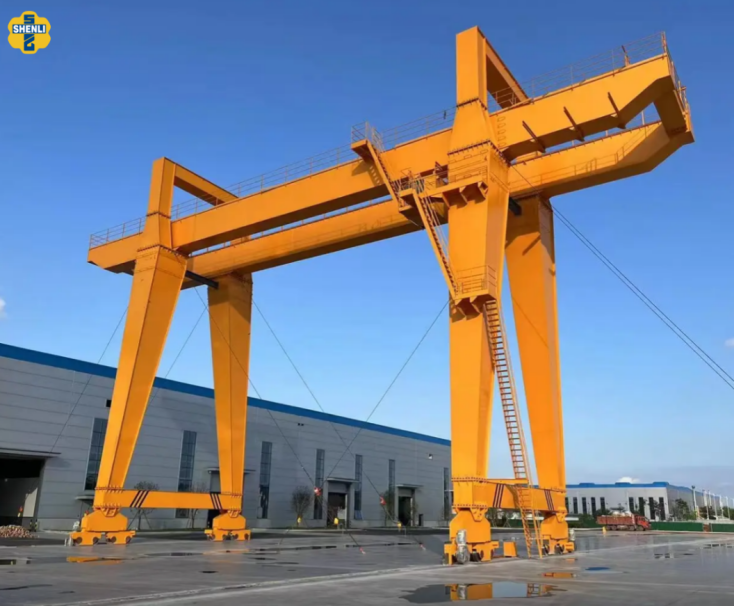
5. Single Girder vs Double Girder – Price Difference
Many buyers ask: “Why pay so much more for double girder?” Let us compare a 20‑ton gantry crane with a 15‑meter span.
| Single Girder | Double Girder | |
|---|---|---|
| Base crane price | 25,000–25,000–35,000 | 38,000–38,000–55,000 |
| Lifting height | Standard (hoist hangs under beam) | Higher (trolley on top) |
| Stability with heavy loads | Good but more sway | Excellent |
| Maintenance access | Simpler | More complex |
| Price premium | – | +30‑50% |
When should you pay the premium?
Your regular load is over 15 tons
You need every meter of lifting height
Your crane runs more than 8 hours per day
You want to add future features like dual hoists or anti‑sway
If none of those apply, single girder is probably fine.
6. Portable vs Rail‑Mounted vs Rubber‑Tired – Cost Comparison
Mobility type dramatically affects price.
| Type | Best use | Price range (10‑20 ton) | Extra costs |
|---|---|---|---|
| Portable (casters) | Small workshops, occasional lifts | 8,000–8,000–20,000 | None – just a flat floor |
| Rail‑mounted (RMG) | Fixed yard, precise stacking, medium to heavy duty | 30,000–30,000–80,000 | Rails + foundation (5,000‑5,000‑20,000) |
| Rubber‑tired (RTG) | Flexible outdoor yard, multiple blocks | 80,000–80,000–200,000 | Yard surface prep, tire replacement |
Portable is cheapest but limited to light duty (typically under 5 tons, though some go to 10 tons).
Rail‑mounted gives the best value for permanent outdoor yards. You pay for rails once, then low operating cost.
Rubber‑tired is the most expensive to buy and to run (fuel, tires, maintenance). Only choose it if you truly need to move between different yard areas without tracks.
7. Extra Costs You Should Know About
The crane price is never the only cost. Budget for these extras.
Shipping and Freight
A gantry crane is not small. A 5‑ton unit might fit in a 20‑foot container. A 50‑ton unit requires flatbed trucks and possibly a crane to unload.
Typical shipping cost: 1,000–1,000–15,000 depending on size and destination.
Customs, Duties, and Taxes
For international buyers, import duties can add 5‑15%. Check your local rates.
Installation and Rigging
Portable crane – you install it. No extra cost.
Rail‑mounted crane – you need a contractor to lay rails and level them. Budget 5,000–5,000–20,000.
Large double girder crane – professional rigging crew needed (often 2‑3 days). Budget 3,000–3,000–10,000.
Foundation Work
Rail‑mounted cranes need a concrete foundation. A 30‑ton crane might require a reinforced slab. Costs vary widely – from 5,000forbasicprepto5,000forbasicprepto30,000 for heavy industrial foundations.
Training
Operators need basic training. If you buy a complex crane with radio remote and VFD, budget 500–500–2,000 for on‑site training by the manufacturer.
Spare Parts Kit
Manufacturers recommend keeping a set of wear parts: wire rope, limit switches, brake linings. Budget 500–500–5,000 depending on crane size.
8. How to Get an Accurate Quote
Manufacturers cannot give you a fixed price without details. To get a real quote, prepare the following information:
Lifting capacity – maximum load in tons (add 10‑25% safety margin)
Span – distance between the inside of the legs (meters)
Lifting height – from floor to hook at highest position (meters)
Indoor or outdoor – outdoor needs corrosion protection and wind brakes
Duty cycle – how many hours per day / lifts per hour
Power supply – voltage, phase, frequency (e.g., 380V/3ph/50Hz)
Control type – pendant, radio remote, or cabin
Mobility – portable, rail‑mounted, rubber‑tired, or fixed
Special requirements – anti‑sway, heat protection, explosion‑proof, etc.
Send this list to 2‑3 manufacturers. Compare not only price but also delivery time, warranty, and spare parts availability.
Pro tip: The cheapest quote is rarely the best value. A crane that breaks down often will cost you more in lost production than the money you saved.
9. Ready to Buy? Contact SLKJCrane
You have seen the price ranges, the factors that affect cost, and how to prepare a quote request. Now it is time to get a real offer for your specific needs.
At SLKJCrane, we build gantry cranes for every application – portable, single girder, double girder, rail‑mounted, rubber‑tired, and custom designs. Every crane meets ASME, FEM, or ISO standards as requested.
We provide:
Free quote based on your tonnage, span, height, and working environment
Transparent pricing – no hidden fees
Full documentation: CAD drawings, load charts, certification
Worldwide shipping and installation support
👉 Contact us today – send us your load weight, span, lifting height, and any special requirements. We will reply with a detailed quote and recommend the most cost‑effective configuration for your budget.
Our Crane Product Range
SLKJcrane provides a wide range of lifting equipment solutions including:
– Single Girder Overhead Crane
– Double Girder Overhead Crane
– Gantry Crane
– Spider Crane
– Marine Crane
Our engineering team can configure safety devices and technical solutions according to project requirements.

Expert in Overhead Crane/Gantry Crane/Jib Crane/Crane Parts Solutions
Eileen
With 20+ years of experience in the Crane Overseas Export Industry, helped 10,000+ customers with their pre-sales questions and concerns, if you have any related needs, please feel free to contact me!
FAQ
Because every crane is built for your specific span, height, duty cycle, and mobility type. Even two 10‑ton cranes can differ by $10,000 depending on features and configuration.
Yes, usually 30‑60% less than new. But you inherit someone else’s wear. Inspect the wire rope, brakes, wheels, and electrical system before buying. Also check if spare parts are still available.
For portable cranes, no – you can assemble it yourself. For rail‑mounted or large double girder cranes, yes. Poor installation leads to misalignment, uneven wear, and safety risks.
Expect 1,000–1,000–15,000 depending on crane size and destination. A portable 2‑ton crane ships in a crate for 1,000‑1,000‑2,000. A 50‑ton rail‑mounted crane needs special transport – $10,000+.
Possibly. Chinese manufacturers often have lower base prices. However, factor in shipping, import duties, language barriers, and longer lead times. Also verify that the crane meets your local safety standards (ASME, FEM, etc.). We at SLKJCrane manufacture to international standards and can help you navigate these choices.
Latest Blog
Lorem ipsum dolor sit amet, consectetur adipiscing elit, sed do eiusmod tempor incididunt ut labore et dolore magna aliqua
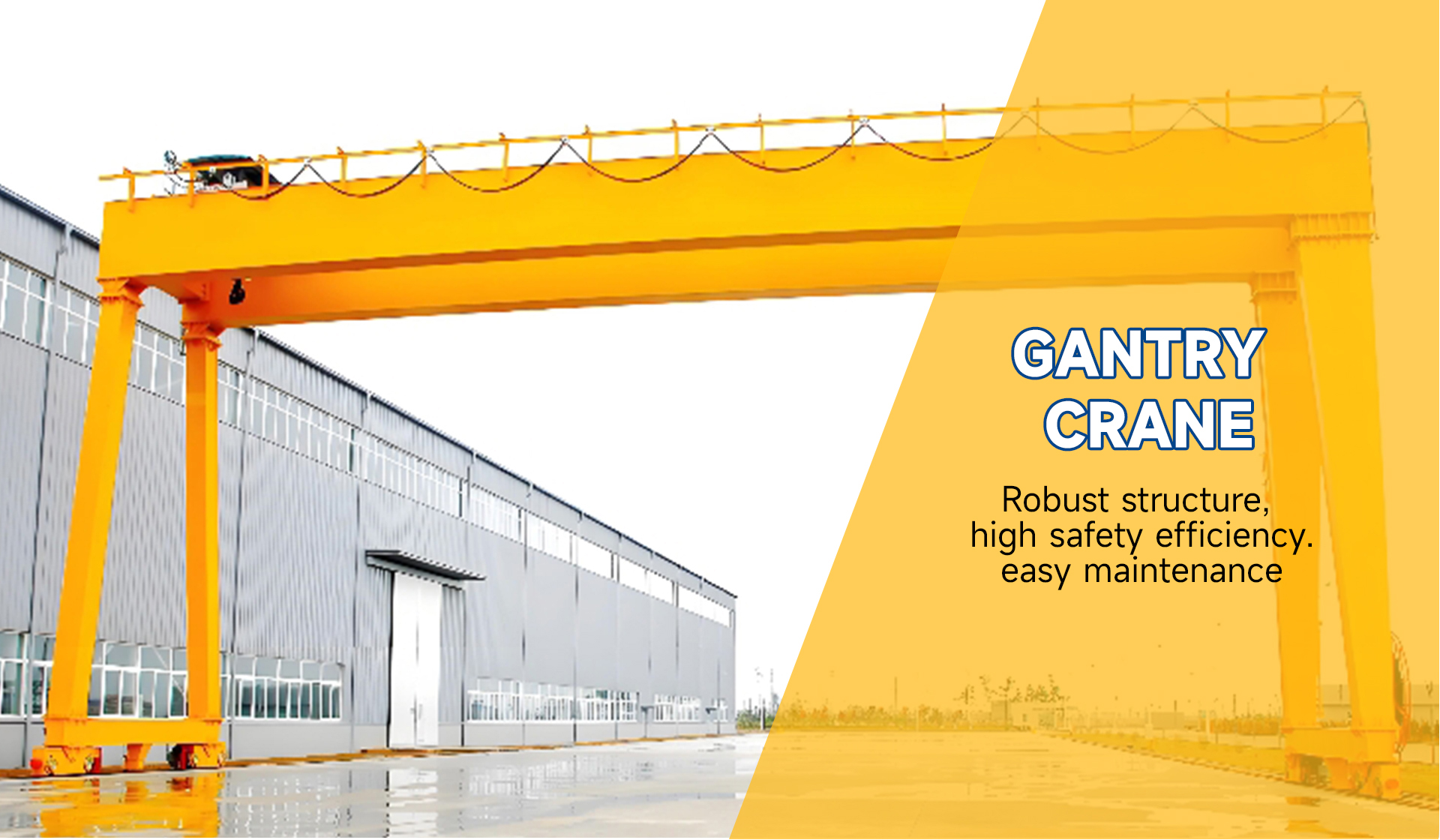
Gantry Crane Price Guide 2026
Gantry Crane Price Guide 2026: Cost by Tonnage, Type & Configuration Table of Contents Why a Gantry Crane
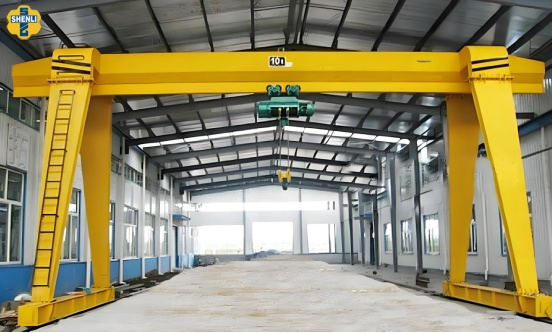
Hidden Costs of Importing a Gantry Crane
Hidden Costs of Importing a Gantry Crane: Shipping, Customs and Installation Guide Why Is a Gantry Crane Quote
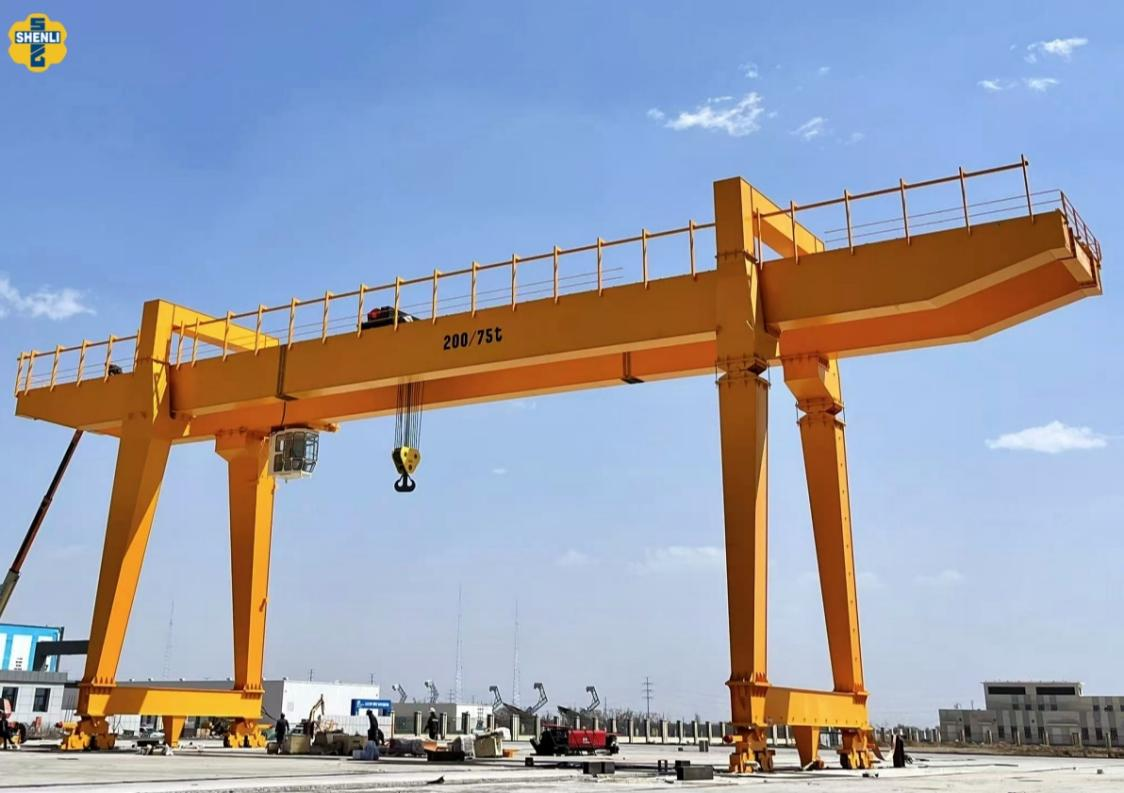
Used vs New Gantry Crane: Total Cost of Ownership Explained
Used vs New Gantry Crane: Which One Has Lower Total Cost of Ownership (TCO)? Introduction When purchasing a
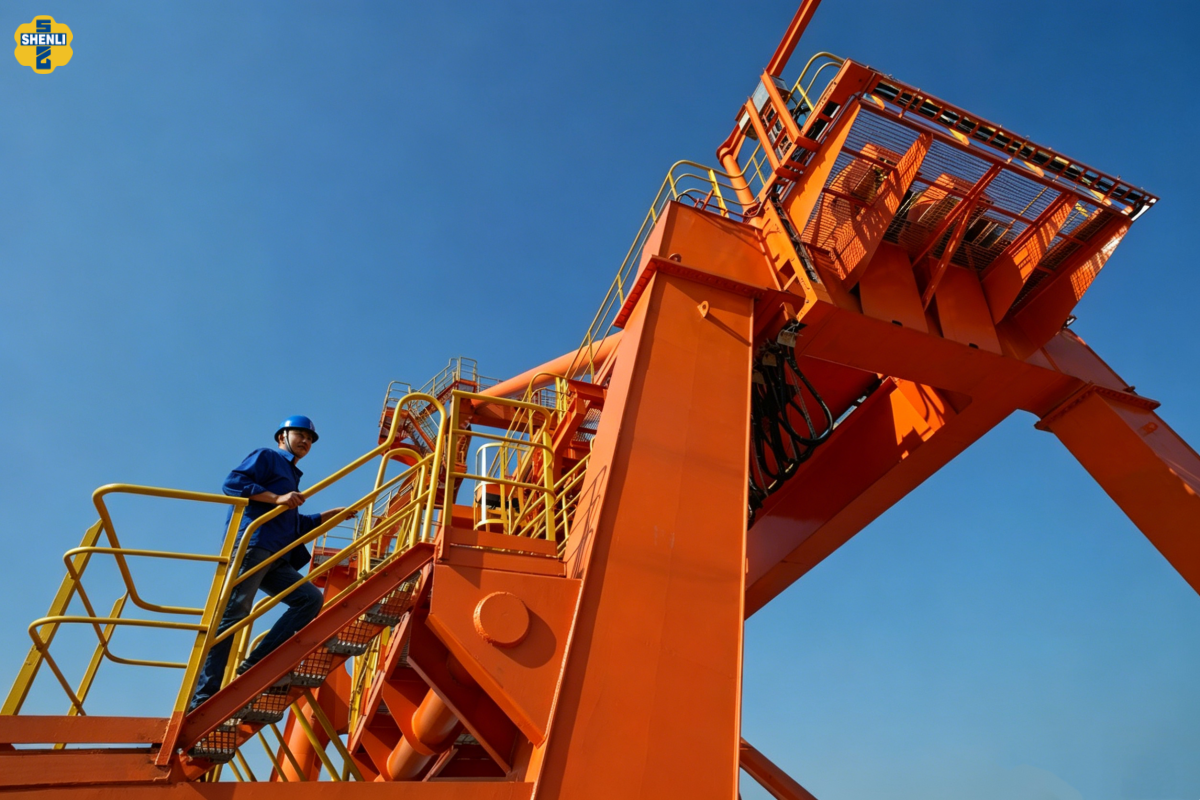
Gantry Crane Predictive Maintenance: How IoT Sensors Reduce Downtime
Gantry Crane Predictive Maintenance: How IoT Sensors Reduce Downtime Why Does Gantry Crane Downtime Cost So Much? Gantry
Contact Us Now
Have questions about our cranes or need help?
Reach out to our friendly team for expert support and guidance.
We are here to help you power your journey towards a greener future !
Address: Crane Industry Park, Xinxiang City Henan Provice
Hot Sales
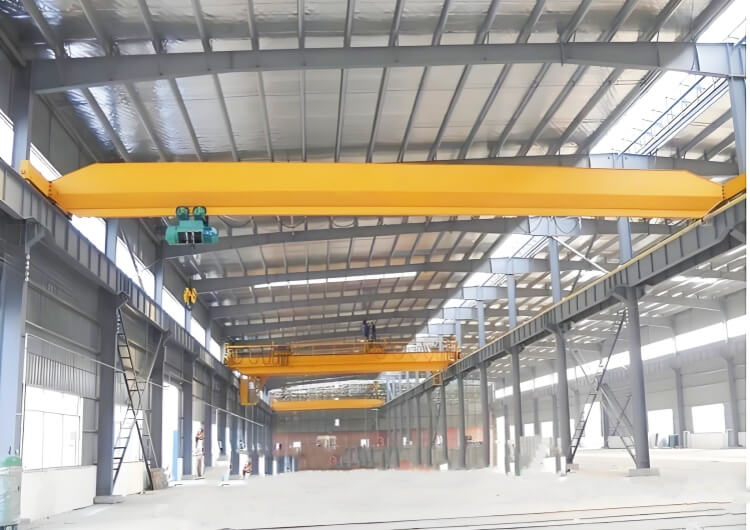
Single girder overhead cranes
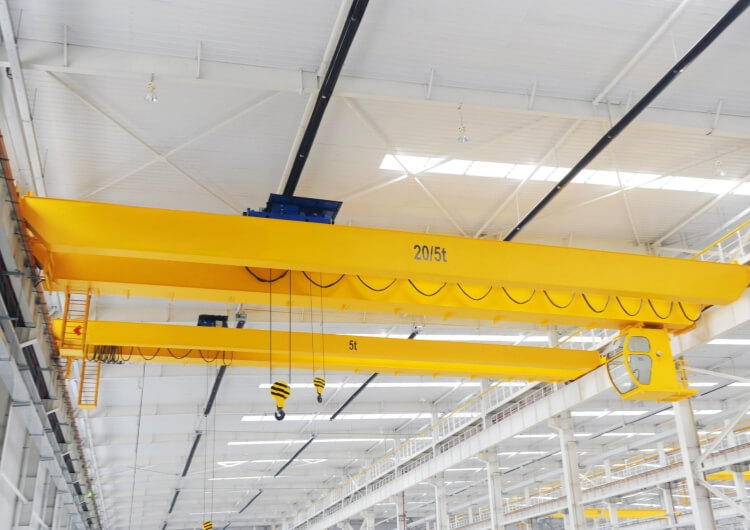
Double girder overhead cranes
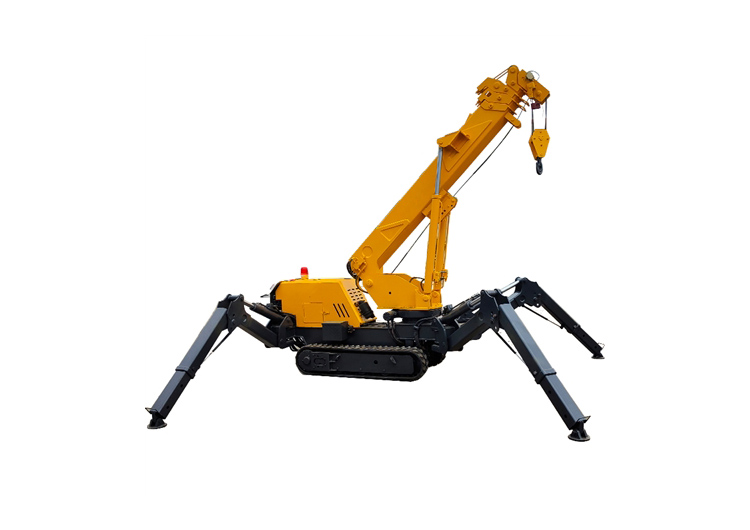
Spider cranes