
Used vs New Gantry Crane: Which One Has Lower Total Cost of Ownership (TCO)?
Introduction
When purchasing a gantry crane, many companies fall into a common trap: they compare only the purchase price. A used gantry crane often costs 30% to 60% less than a new one of the same specification. For a business on a tight budget, that difference can be very tempting.
But real‑world project experience shows that the purchase price is only part of the total cost.
Two gantry cranes with the same lifting capacity may perform the same material handling tasks. However, if one of them breaks down frequently and is difficult to repair, its total cost over several years can easily exceed that of the other.
For steel fabrication shops, rail maintenance depots, machinery manufacturers, and logistics parks, a gantry crane is often a core piece of production equipment. When it stops, the entire production rhythm is disrupted.
That is why long‑term operating costs often deserve more attention than the initial purchase price.
This article compares the key differences between used and new gantry cranes from a professional perspective, breaks down easily overlooked hidden costs, and uses a long‑term total cost of ownership (TCO) example to help you make a more value‑driven decision.
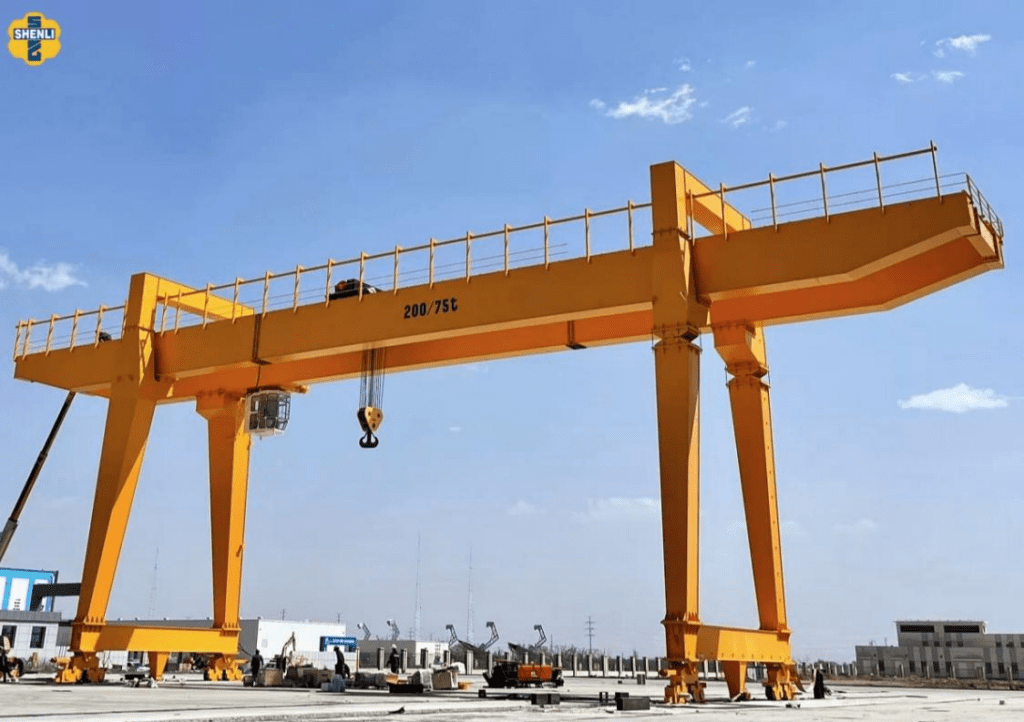
Key Differences Between Used and New Gantry Cranes
The purchase price is the most obvious difference, but it is not the only one.
| Comparison Item | Used Gantry Crane | New Gantry Crane |
|---|---|---|
| Initial investment | Lower | Higher |
| Delivery lead time | Usually shorter | Depends on production schedule |
| Customization capability | Limited | Fully customizable |
| Equipment condition | Depends on previous usage | Brand new |
| Warranty service | Usually limited | Standard warranty |
| Repair risk | Higher | Lower |
| Spare parts availability | Possibly difficult for some models | More reliable |
| Service life | Remaining life limited | Full lifecycle |
| Downtime risk | Relatively higher | Relatively lower |
| Long‑term cost predictability | Lower | Higher |
For a short‑term project, a lower purchase price may be more important. For a business planning to use the crane for many years, reliability is often the deciding factor.
Four Hidden Costs of Used Gantry Cranes That Are Often Overlooked
Many purchasing decisions go wrong not because the crane was too expensive, but because subsequent costs were underestimated.
1. Equipment history
Even if a used crane looks good on the outside, it is difficult to fully verify its past operating conditions.
For example: was it regularly overloaded? Did it go through high‑intensity work cycles? Was it involved in any collisions? Was it properly maintained according to manufacturer recommendations?
2. Structural fatigue
The main girder and legs of a gantry crane are subjected to repeated alternating loads. When a crane has been in service for many years or has a high duty class, fatigue may have accumulated even if there is no visible deformation.
Professional inspection typically requires a combination of weld checks, connection point assessments, and a review of historical operating records.
3. Electrical system
Some older cranes use PLCs, VFDs, contactors, or control modules that may have been discontinued.
When a critical component fails, finding a replacement can be expensive and may cause long downtime. In addition, some imported or cross‑region used cranes require load testing, safety assessments, electrical upgrades, or even structural modifications before being put back into service — costs that are rarely included in the equipment price.
4. Additional wear from transport and re‑installation
After dismantling, shipping, and re‑assembly, certain components — such as bolted connections, cable joints, and seals — can age or get damaged further. On‑site installation often requires extra replacement parts, an expense that is seldom considered at the quoting stage.
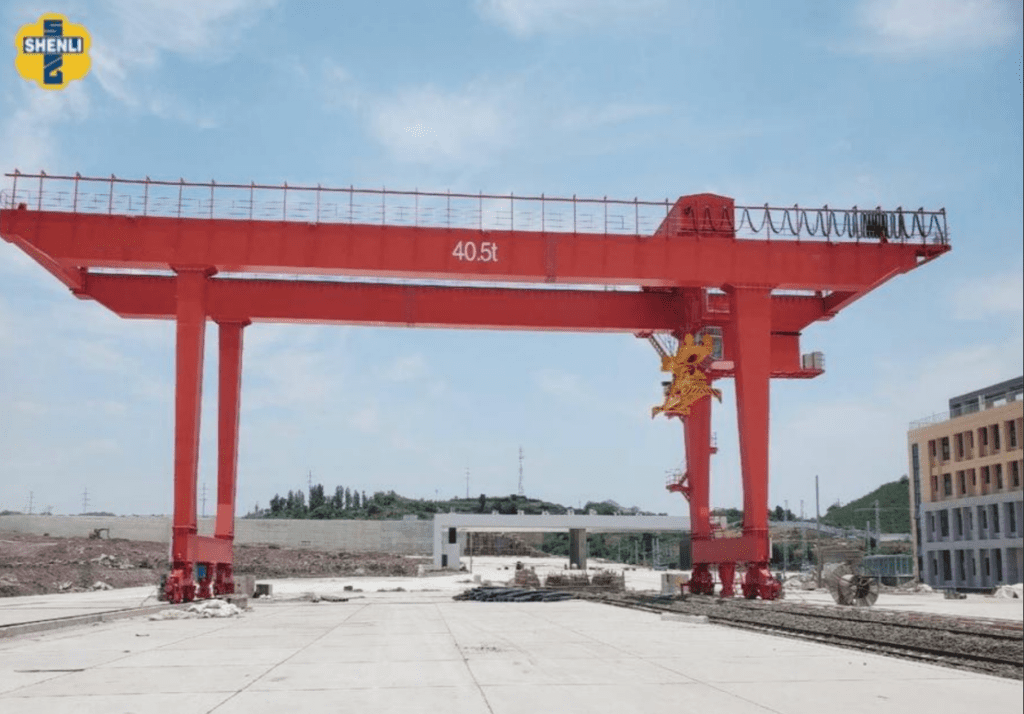
Long Term Maintenance and Downtime Risk Analysis
From a maintenance perspective, the cost curves of new and used equipment are often very different.
New gantry crane: The first few years of operation are usually a low‑failure period. Key components are brand new and covered by manufacturer warranty, so maintenance expenses are relatively low.
Modern cranes commonly use VFD control systems, high‑efficiency motors, and intelligent safety devices. These not only reduce energy consumption but also minimize mechanical shock and component wear.
Used gantry crane: As the crane ages, wire ropes, brakes, wheel sets, bearings, and electrical components enter their replacement cycles. The cost per repair may not be high, but as repair frequency increases, the cumulative cost often exceeds expectations.
Downtime risk is the biggest cost.
For a steel fabrication business, one day of downtime for its main gantry crane can delay an entire production line. For a precast concrete plant, equipment failure can disrupt concrete pouring and shipping schedules.
In many cases, the largest loss a business ends up bearing is not the repair bill, but the consequences of downtime: order penalties, overtime rush work, and loss of customer trust.
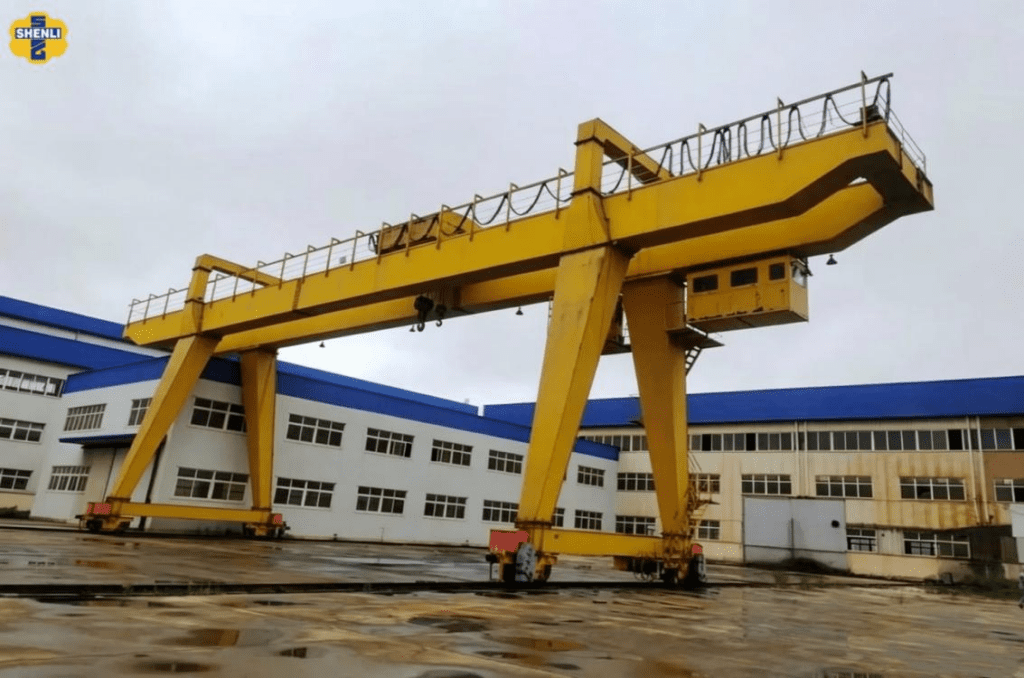
Case Study: 10 Year Total Cost of Ownership (TCO) Comparison
Assume a machinery manufacturing company needs a 10‑ton gantry crane. It will run 8 hours per day and is expected to be used for 10 years. The figures below are typical industry estimates (actual results will vary depending on operating conditions and maintenance quality).
| Cost Item | Used Gantry Crane | New Gantry Crane |
|---|---|---|
| Purchase cost | $18,000 | $35,000 |
| Installation & commissioning | $3,000 | $4,000 |
| Repair expenses | $12,000 | $4,000 |
| Spare parts replacement | $6,000 | $2,000 |
| Energy consumption | $6,000 | $4,500 |
| Downtime losses | $15,000 | $3,000 |
| 10‑year total cost | $60,000 | $52,500 |
Analysis: The used crane saved $17,000 upfront, but over 10 years it cost $7,500 more than the new crane. Why? Higher repair frequency, more spare part replacements, and greater downtime losses added up year after year.
This example illustrates a common reality: the crane with the lowest purchase price is not necessarily the one with the lowest total cost of ownership.
When Does It Make Sense to Buy a Used Gantry Crane?
A used gantry crane is not always a bad choice. In the following scenarios, a used crane can offer good value:
Short‑term projects (less than 5 years of expected use)
Light‑to‑medium duty applications
Tight budget constraints
The crane comes from a reliable source with complete inspection reports and maintenance records
The buyer has strong in‑house maintenance capabilities
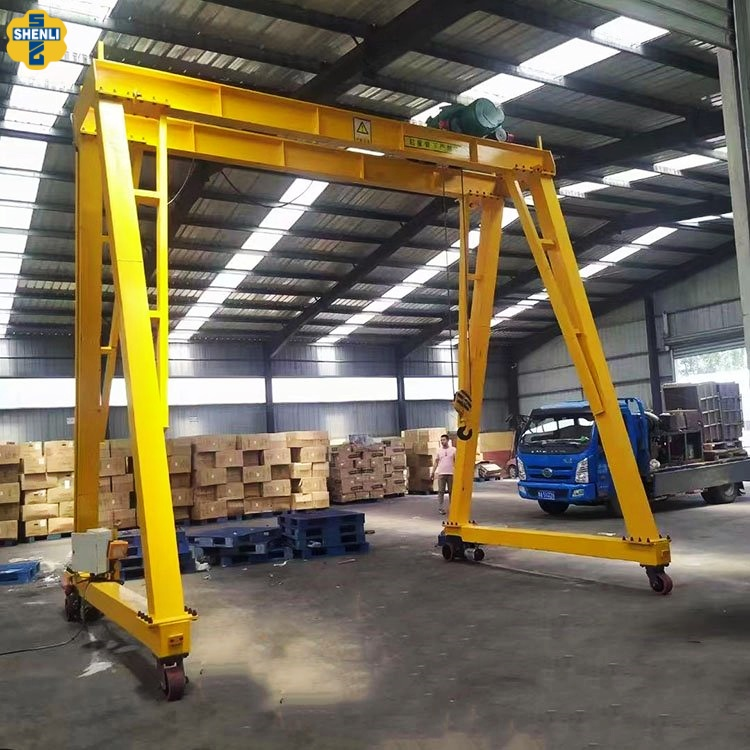
When Is a New Gantry Crane a Better Investment?
For long‑term operations, a new crane is usually the better investment — especially in the following situations:
Steel fabrication shops
Machinery manufacturing plants
Precast concrete factories
Rail vehicle maintenance depots
Port logistics and warehousing centers
Multi‑shift continuous production environments
If you plan to use the crane for more than ten years, the lower downtime risk, full service life, and predictable maintenance costs of a new crane generally provide greater long‑term value.
How to Make the Right Choice?
Instead of asking “which one is cheaper – used or new?”, ask yourself these questions:
How many years do you plan to use the crane?
How many hours per day will it run?
How much would one day of downtime cost your business?
Does your company have strong in‑house maintenance capabilities?
Can you secure a stable supply of spare parts?
Do you have future plans for production expansion or equipment upgrades?
Once you have clear answers to these questions, the right choice becomes much clearer.
Conclusion
There is no absolute “better” between used and new gantry cranes — it all depends on the application.
If your project is short‑term, your budget is tight, and the used crane comes from a reliable source, a used gantry crane can help reduce upfront investment.
If your crane will run for many years at high frequency, and your production relies on continuous operation, a new gantry crane usually delivers greater long‑term value through lower downtime risk, better reliability, and more predictable maintenance costs.
For most industrial users, the real focus should not be on the purchase price alone, but on the total cost of ownership over the crane‘s entire life.
About SLKJ Crane
At SLKJ Crane, we care not only about equipment sales but also about the return on investment throughout your entire project lifecycle.
With years of experience in gantry crane design, manufacturing, and export, we provide customised solutions ranging from light‑duty portable gantry cranes to heavy‑duty industrial gantry cranes — tailored to your actual operating conditions, usage frequency, and budget.
Rigorous quality control, mature manufacturing processes, reliable core components, and comprehensive after‑sales support help our customers reduce long‑term operating costs, improve equipment utilisation, and achieve more stable returns on their investment.

Expert in Overhead Crane/Gantry Crane/Jib Crane/Crane Parts Solutions
Eileen
With 20+ years of experience in the Crane Overseas Export Industry, helped 10,000+ customers with their pre-sales questions and concerns, if you have any related needs, please feel free to contact me!
Our Crane Product Range
SLKJcrane provides a wide range of lifting equipment solutions including:
– Single Girder Overhead Crane
– Double Girder Overhead Crane
– Gantry Crane
– Spider Crane
– Marine Crane
Our engineering team can configure safety devices and technical solutions according to project requirements.
FAQ
Yes, if the crane is in good condition, has complete maintenance records, and has been professionally inspected. Used cranes are especially cost‑effective for short‑term projects and businesses with limited budgets.
Focus on the steel structure, welds, wire rope, hoist mechanism, wheel sets, brake system, electrical control system, and maintenance history. A load test is also strongly recommended.
Under reasonable maintenance, most gantry cranes are designed to last 15 to 25 years or more.
For long‑term, high‑frequency applications, a new gantry crane typically provides better ROI. For short‑term projects or low‑frequency use, a used crane may be more economical.
Latest Blog
Lorem ipsum dolor sit amet, consectetur adipiscing elit, sed do eiusmod tempor incididunt ut labore et dolore magna aliqua
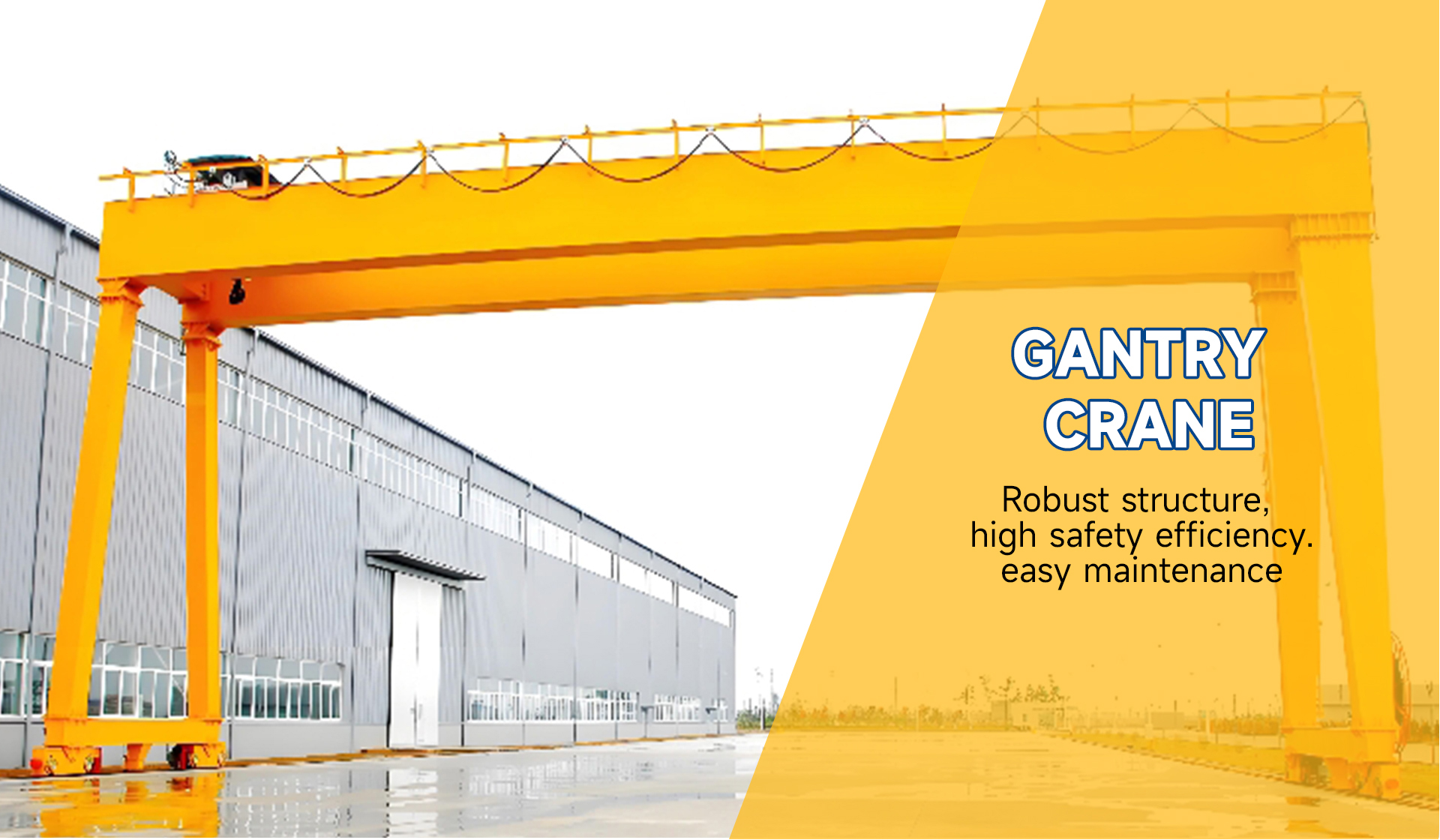
Gantry Crane Price Guide 2026
Gantry Crane Price Guide 2026: Cost by Tonnage, Type & Configuration Table of Contents Why a Gantry Crane
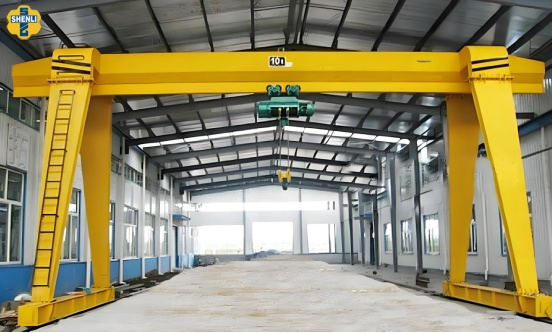
Hidden Costs of Importing a Gantry Crane
Hidden Costs of Importing a Gantry Crane: Shipping, Customs and Installation Guide Why Is a Gantry Crane Quote
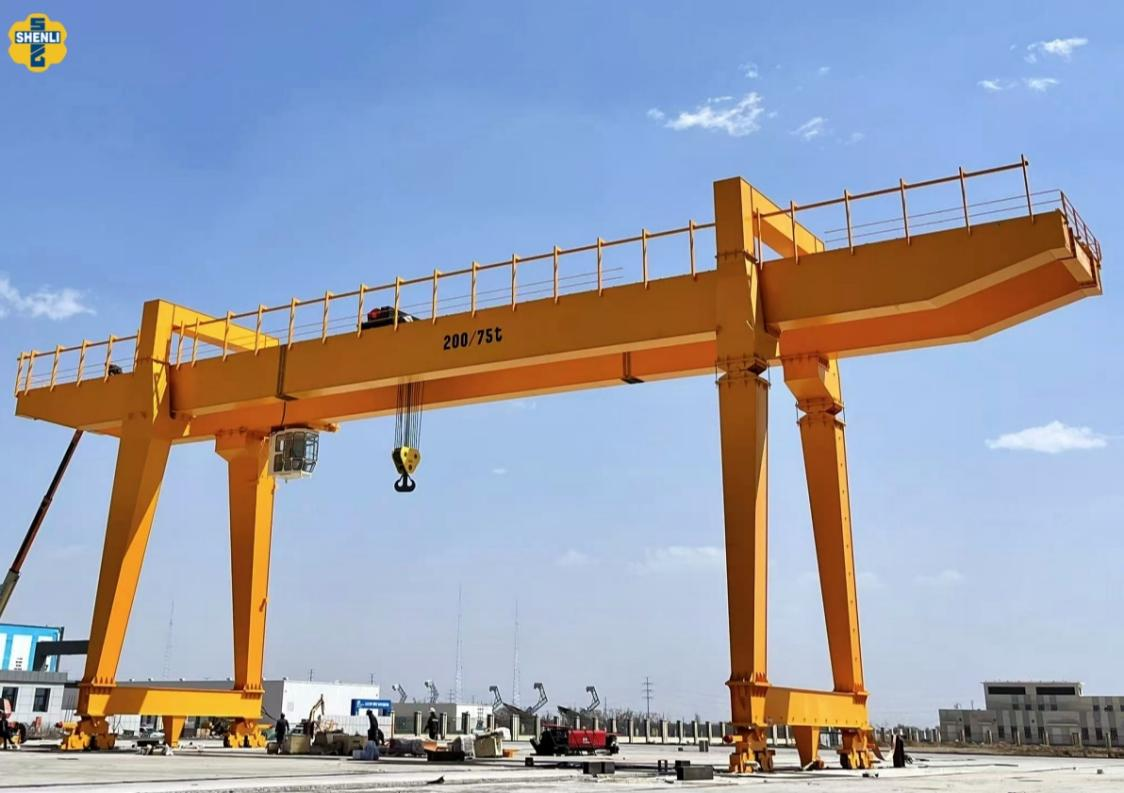
Used vs New Gantry Crane: Total Cost of Ownership Explained
Used vs New Gantry Crane: Which One Has Lower Total Cost of Ownership (TCO)? Introduction When purchasing a
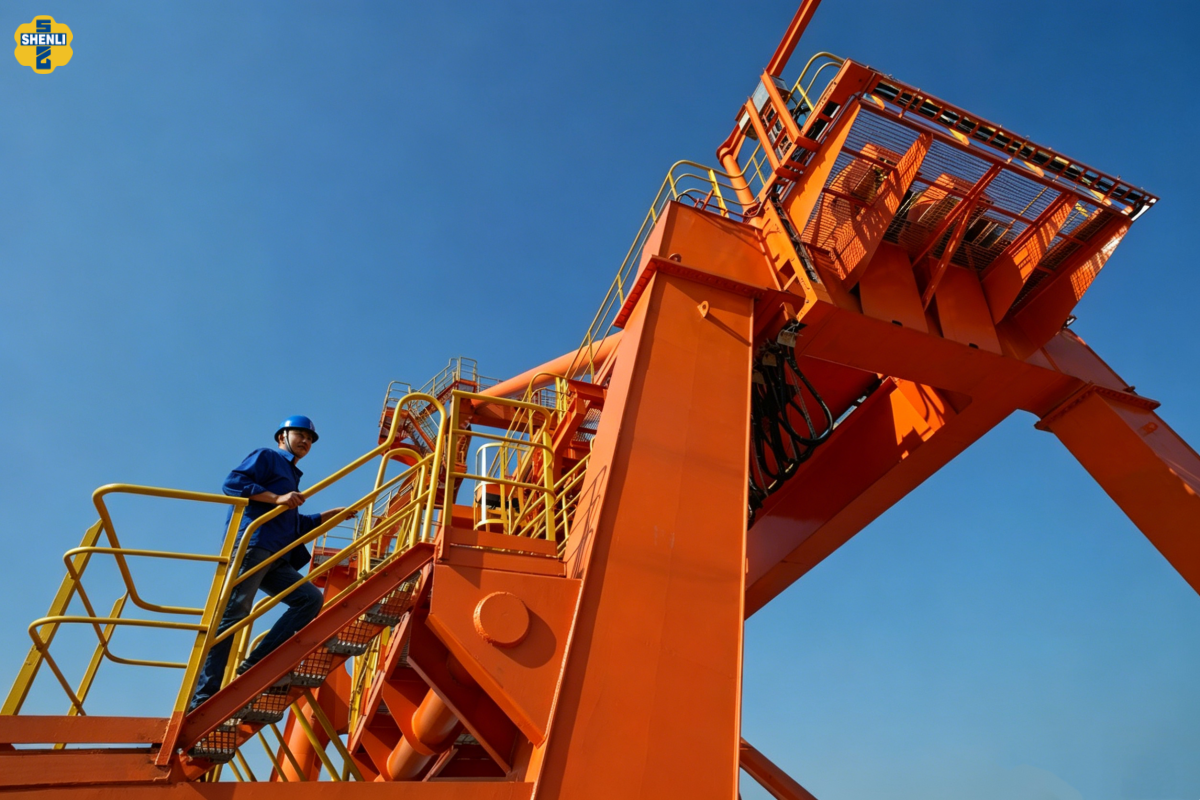
Gantry Crane Predictive Maintenance: How IoT Sensors Reduce Downtime
Gantry Crane Predictive Maintenance: How IoT Sensors Reduce Downtime Why Does Gantry Crane Downtime Cost So Much? Gantry
Contact Us Now
Have questions about our cranes or need help?
Reach out to our friendly team for expert support and guidance.
We are here to help you power your journey towards a greener future !
Address: Crane Industry Park, Xinxiang City Henan Provice
Hot Sales
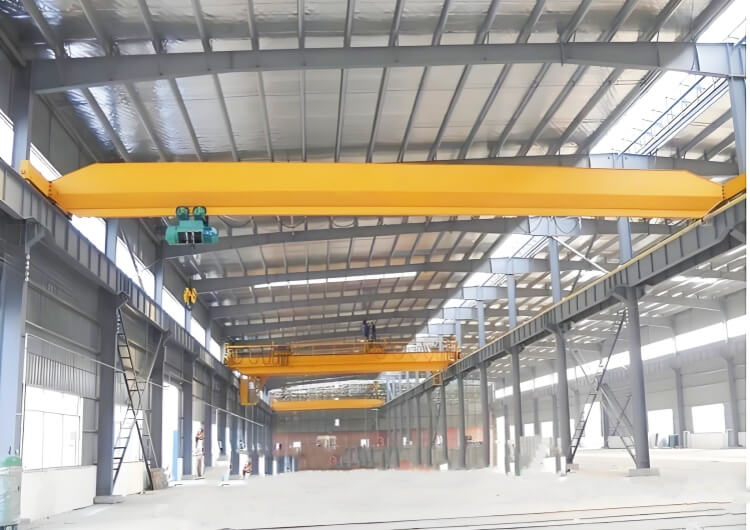
Single girder overhead cranes
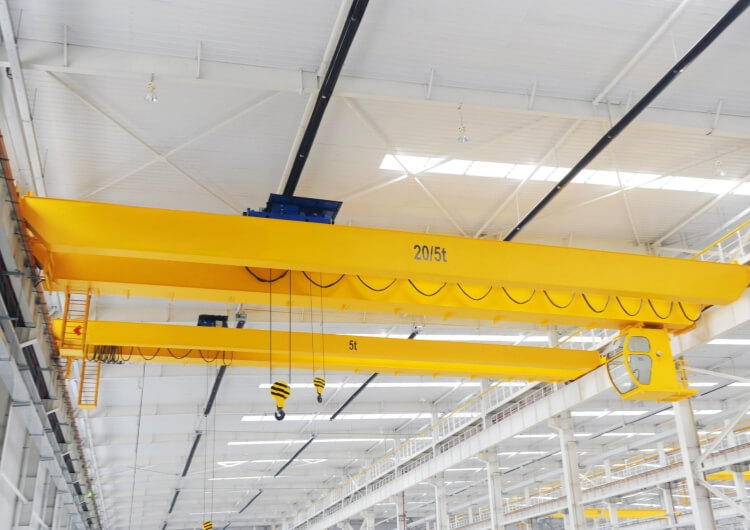
Double girder overhead cranes
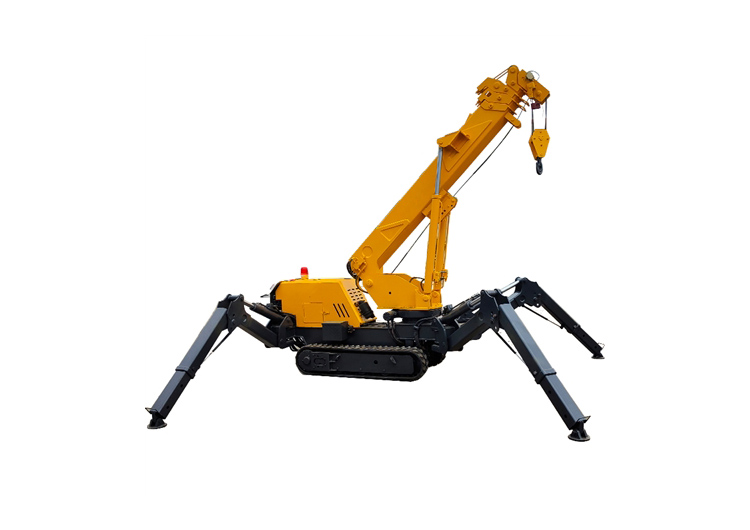
Spider cranes