
How to Choose a Gantry Crane for Rail Maintenance Depots
In railway depots, metro maintenance bases, and locomotive repair centers, gantry cranes are essential equipment for lifting large components, vehicle repair, and equipment transfer.
Unlike general industrial lifting scenarios, rail maintenance work often involves long‑length vehicle bodies, multi‑point synchronous lifting, high‑frequency repair tasks, and strict safety requirements.
Therefore, equipment selection cannot be based solely on lifting capacity. It must also take into account the repair objects, depot layout, workflow, and environmental conditions.
This article starts from the actual working conditions of rail maintenance and helps you clarify:
Common applications of gantry cranes in rail maintenance
7 key factors to focus on during selection
Which structural types suit different working conditions
Important configuration and selection logic to keep in mind
Why Do Rail Maintenance Depots Need Specialised Gantry Cranes?
The lifting conditions in rail maintenance depots differ significantly from general manufacturing workshops or warehousing environments.
1.Heavy, long, and complex centre‑of‑gravity
For example, train bodies, bogies, wheelsets, power modules – many components are not only heavy but also require multi‑point synchronous lifting.
2.High safety and stability requirements
During vehicle repair, the crane often performs component disassembly, body lifting, and precise alignment. If the crane runs unstably or has high impact, it can reduce repair efficiency and increase safety risks.
3.Outdoor or semi‑open working environments
Equipment is often exposed to wind, rain, temperature changes, dust, and even corrosive conditions – demanding higher structural strength, corrosion protection, and safety systems.
These characteristics mean that gantry cranes for rail maintenance need targeted design in structure, electrical control, and safety features.
What Equipment Is Typically Lifted in Rail Maintenance Depots?
Different repair processes impose different requirements on the crane. In a rail depot or maintenance base, common lifted objects include:
Train Bodies and Carriages
Lifting an entire train body or carriage is a complex task. These components are long, require multiple lifting points, and have strict force distribution requirements.
During body repair, multi‑point balanced lifting is often needed, along with smooth operation to avoid structural deformation caused by uneven forces. Therefore, span, lifting height, and synchronous control capability are especially critical.
Bogies and Wheelsets
Bogies and wheelsets are among the most frequently lifted items in rail maintenance.
Although their individual weight may not be the highest, efficiency and precise positioning are important. The crane needs good operational stability to enable quick disassembly, transfer, and repair.
Power Units and Key Components
In some locomotive or multiple‑unit train repair projects, power modules, engines, or other key assemblies may also need lifting.
Because these components have complex centres of gravity and special shapes, they often require dedicated lifting beams, anti‑off‑centre designs, and customised spreaders to improve safety and ease of operation.
In summary:
Different repair objects determine different choices of lifting capacity, span, lifting height, and control system.
Therefore, before selecting a gantry crane for a rail maintenance depot, you must first clarify “what to lift and how to lift it”.
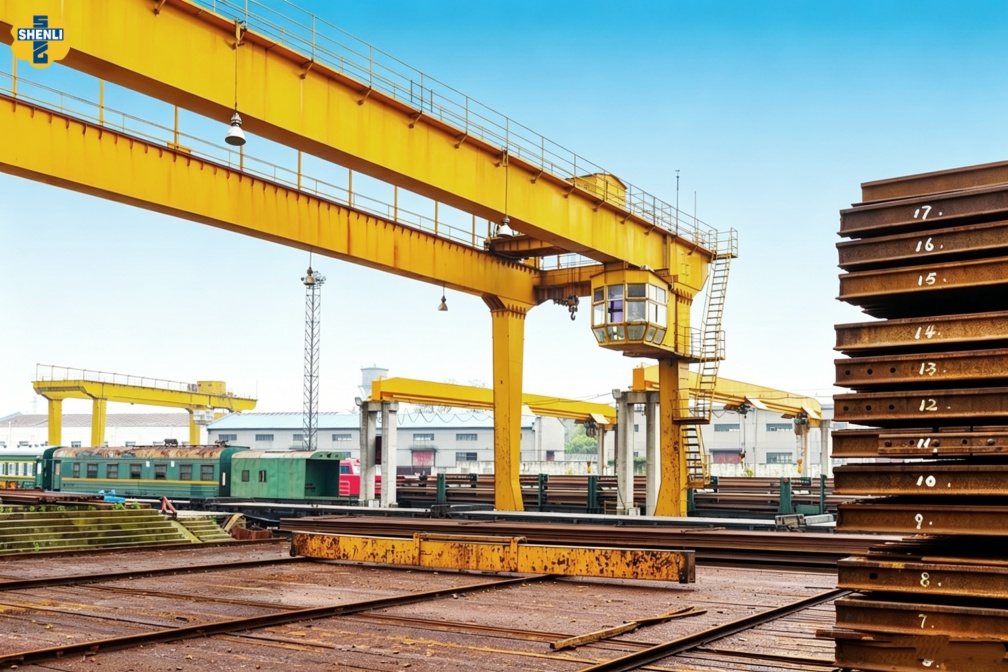
7 Key Factors for Selecting a Gantry Crane for Rail Maintenance Depots
1. Lifting Capacity – Determine According to Actual Conditions, Not Bigger Always Better
The sensible approach is: determine based on maximum lifted object weight + safety margin + dynamic load conditions.
For example, the requirement for a crane that only handles wheelsets and small components is completely different from one that needs to lift entire train bodies.
Overspecifying may seem safer, but it increases equipment cost, structural load, and energy consumption.
A better philosophy: meet current needs while leaving moderate room for future expansion.
2. Span – Must Match Depot Layout
Span design directly affects the crane‘s usability. Rail maintenance depots typically involve multiple maintenance tracks, access platforms, pit areas, and safety passages.
If the span is too small, coverage may be insufficient. If it is too large, structural weight increases, rigidity may decrease, and cost effectiveness suffers.
Therefore, the span should be determined based on number of tracks + depot width + vehicle dimensions + safety distances.
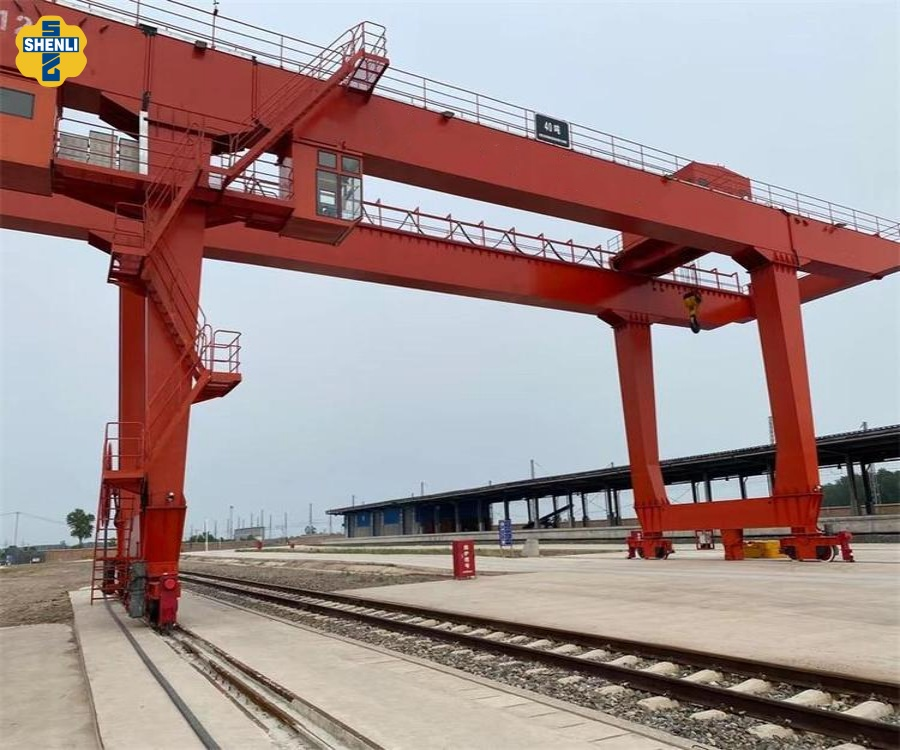
3. Lifting Height – A Key Factor Often Overlooked in Maintenance Processes
Many projects focus only on capacity and ignore lifting height. But in rail maintenance, the actual need is not just “lift off the ground”. Consider:
Is full vehicle body lifting required?
Is there enough clearance for bogie disassembly?
Does the crane need to clear maintenance platforms?
Is space reserved for lifting attachments?
Therefore, it is recommended to confirm headroom requirements together with the maintenance workflow during the planning stage.
4. Lifting Attachments and Lifting Point Design – A Critical Configuration in the Rail Industry
Rail maintenance often does not involve simply hooking on and lifting. Common configurations include dedicated lifting beams, multi‑point spreaders, anti‑off‑centre structures, and adjustable lifting mechanisms.
Especially for vehicle bodies and large components, lifting point design must meet force distribution requirements, otherwise lifting stability can be compromised.
In practice, the importance of the lifting attachment system often rivals that of the crane itself.
5. Synchronous Control and Positioning Accuracy
Rail maintenance scenarios require high operational stability.
Especially when lifting long vehicle bodies, issues such as centre‑of‑gravity shift, uneven force distribution, and load swing may occur.
Therefore, many projects consider:
Dual‑hoist synchronous lifting
Variable frequency drive (VFD) speed control
Anti‑sway technology
Precise positioning function
Compared with “high speed”, rail maintenance emphasises stable motion, smooth operation, and precise control.
6. Duty Cycle and Frequency of Use
Rail depots are typically high‑frequency working environments. If the crane is used continuously for long periods, the durability of the crane structure, motors, gearboxes, and electrical components must be carefully considered.
Therefore, select the appropriate duty class based on daily operating hours, lifting frequency, and work shifts.
7. Environment and Safety Requirements
Many rail maintenance depots are located outdoors or in semi‑open spaces.
Thus, the following should be prioritised:
Wind protection design
Corrosion protection
Rain and snow resistance
Wind speed alarm system
Derailment prevention devices
Emergency braking system
Travel limit switches and overload protection
Especially in areas with high wind loads, safety features directly affect long‑term operational reliability.
Typical Crane Configurations for Different Working Conditions
Single Girder Gantry Crane
Suitable for light‑to‑medium maintenance tasks, wheelset and small component lifting, and low‑frequency use.
Advantages: lighter structure, lower cost.
Limitation: limited capability for long, heavy vehicle body lifting.
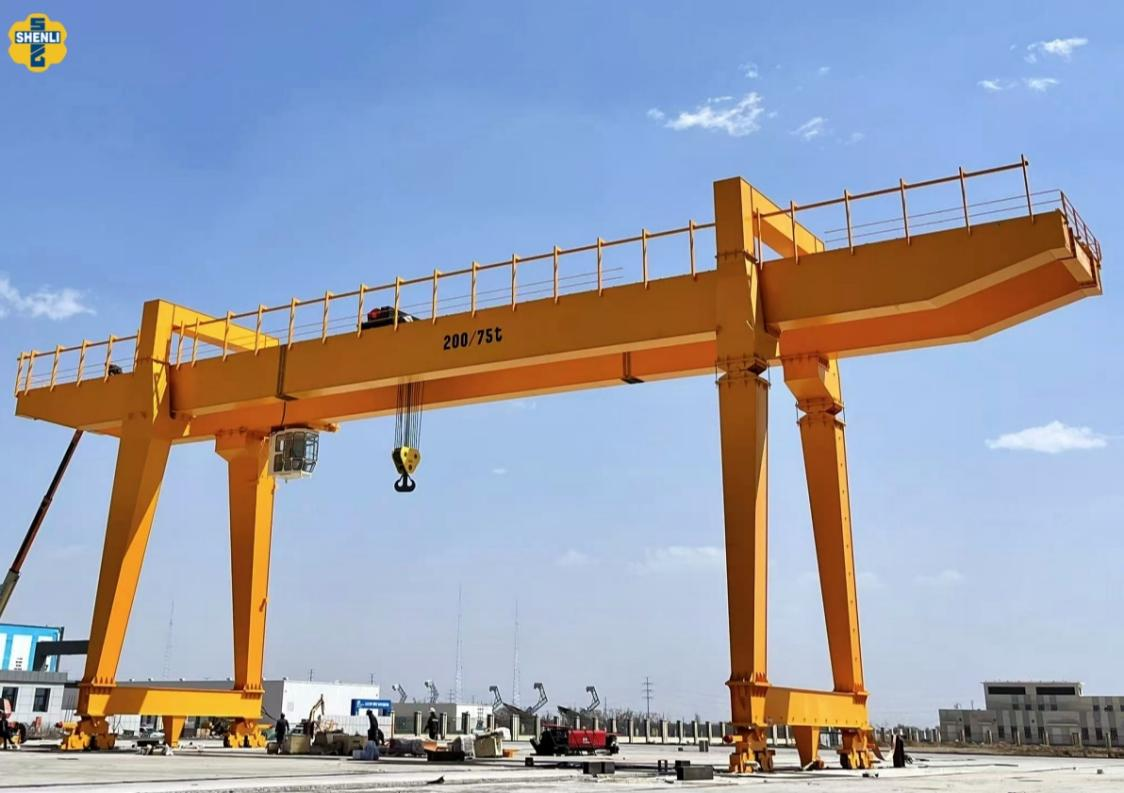
Double Girder Gantry Crane
More suitable for full vehicle repair, heavy‑load lifting, and high‑frequency operations.
Double girder structures offer better stability and load capacity, and make it easier to integrate synchronous control and specialised lifting attachments.
Semi Gantry Crane
If one side can rely on the depot‘s steel structure while the other side runs on legs, a semi‑gantry crane is an option. Ideal for space‑constrained sites or depot‑integrated maintenance areas.
Customised Rail Maintenance Gantry Crane
Many rail maintenance projects are non‑standard. Vehicle dimensions, depot layouts, and maintenance workflows vary significantly. Therefore, a customised design is often more suitable for long‑term use.
Common Technical Configurations for Rail Maintenance Gantry Cranes
To meet different rail repair needs, gantry cranes can be configured according to working conditions. Common technical features include:
Structural types: single girder gantry crane, double girder gantry crane, dual‑trolley synchronous lifting structure, semi‑gantry crane
Control systems: optional VFD speed control, dual‑hoist synchronous control, anti‑sway, precise positioning
Safety systems: overload protection, wind speed alarm, derailment protection, limit switches, emergency brakes
For projects requiring full vehicle lifting or long component handling, dedicated lifting beams and multi‑point spreader designs are often incorporated.
How to Select a Gantry Crane for Rail Maintenance – A Clear, Actionable Process
Identify the repair objects (train bodies, bogies, wheelsets, power units, etc.)
Determine the maximum lifting weight (including safety margin)
Measure depot dimensions (span, length, headroom)
Define required lifting height (consider maintenance workflow)
Assess working frequency and duty intensity (hours per day, lifts per shift)
Analyse environmental conditions (indoor/outdoor, wind load, corrosion)
Request a customised solution based on the above
✅ The right gantry crane is not the biggest or most expensive – it is the one that best matches your site conditions, offers stability and safety, and is suitable for long‑term maintenance needs.
Contact Us for a Customised Solution
Every rail maintenance depot has different needs. Standard cranes often cannot fully meet long‑term operational requirements.
👉 If you are planning a rail depot, maintenance base, or multiple‑unit train repair facility, SLKJCrane can provide:
Custom gantry crane design
Engineering solutions based on depot layout
Load analysis and technical consulting
Full support from design to installation
📩 Contact us today for a dedicated rail maintenance gantry crane solution and quotation.

Expert in Overhead Crane/Gantry Crane/Jib Crane/Crane Parts Solutions
Eileen
With 20+ years of experience in the Crane Overseas Export Industry, helped 10,000+ customers with their pre-sales questions and concerns, if you have any related needs, please feel free to contact me!
Our Crane Product Range
SLKJcrane provides a wide range of lifting equipment solutions including:
– Single Girder Overhead Crane
– Double Girder Overhead Crane
– Gantry Crane
– Spider Crane
– Marine Crane
Our engineering team can configure safety devices and technical solutions according to project requirements.
FAQ
If the depot mainly handles light components and intermittent lifting, a single girder may be considered. For vehicle body lifting and high‑frequency repairs, a double girder is usually more appropriate.
It depends on the heaviest object to be lifted. Different vehicle types and repair tasks vary significantly.
For long, multi‑point lifting components, synchronous control generally improves safety and stability.
Systems such as wind speed alarms, derailment protection, and emergency brakes can be incorporated into the design.
Yes. Most rail maintenance projects involve non‑standard conditions, so customised designs are more suitable for long‑term use.
Latest Blog
Lorem ipsum dolor sit amet, consectetur adipiscing elit, sed do eiusmod tempor incididunt ut labore et dolore magna aliqua
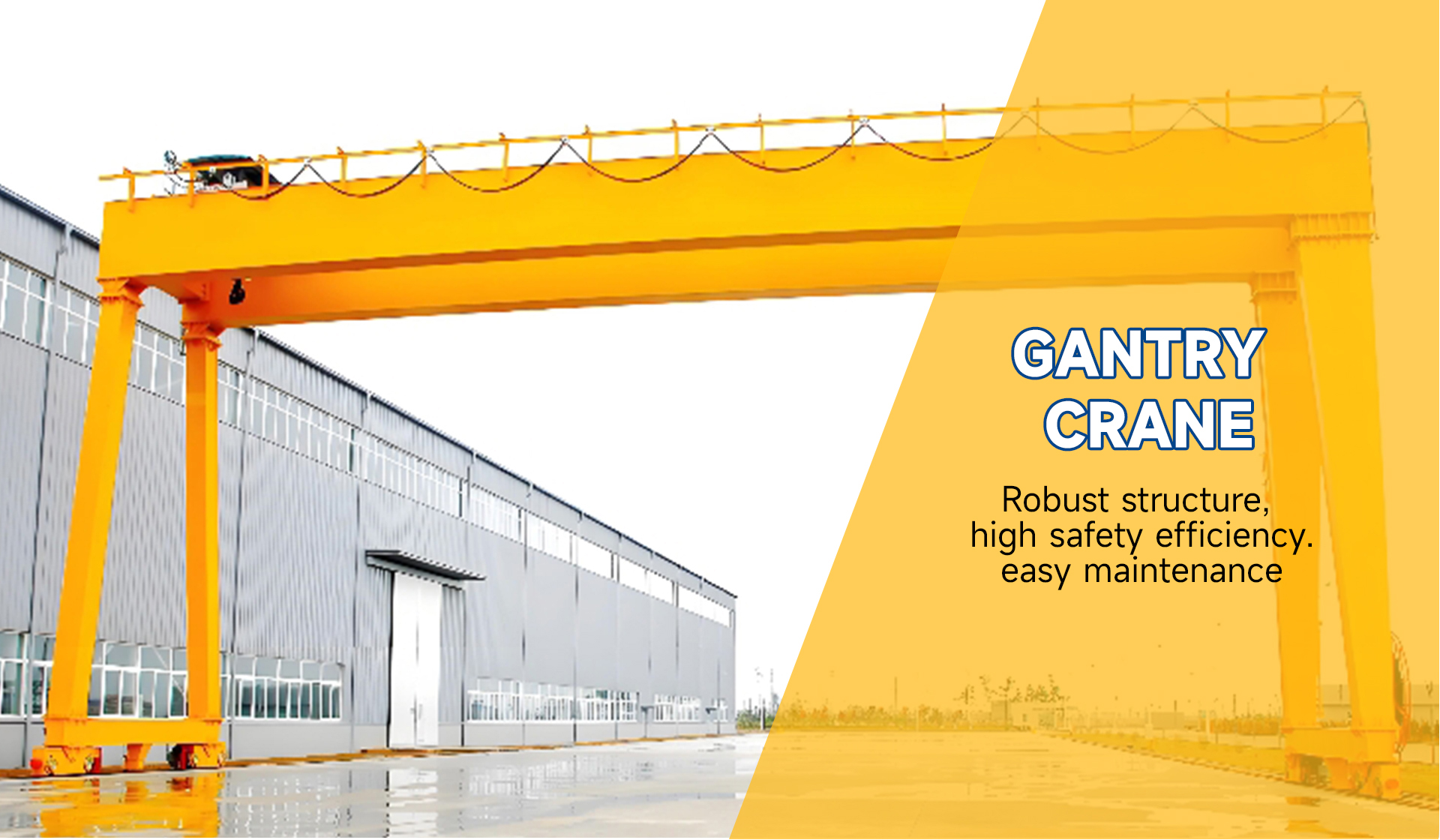
Gantry Crane Price Guide 2026
Gantry Crane Price Guide 2026: Cost by Tonnage, Type & Configuration Table of Contents Why a Gantry Crane
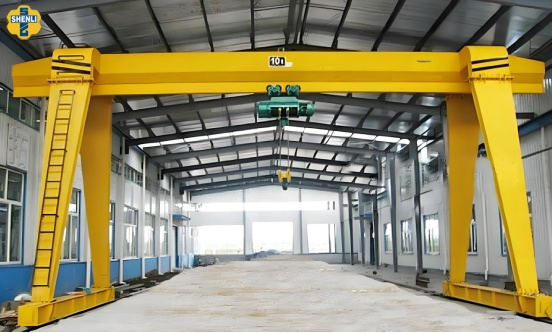
Hidden Costs of Importing a Gantry Crane
Hidden Costs of Importing a Gantry Crane: Shipping, Customs and Installation Guide Why Is a Gantry Crane Quote
Used vs New Gantry Crane: Total Cost of Ownership Explained
Used vs New Gantry Crane: Which One Has Lower Total Cost of Ownership (TCO)? Introduction When purchasing a
Gantry Crane Predictive Maintenance: How IoT Sensors Reduce Downtime
Gantry Crane Predictive Maintenance: How IoT Sensors Reduce Downtime Why Does Gantry Crane Downtime Cost So Much? Gantry
Contact Us Now
Have questions about our cranes or need help?
Reach out to our friendly team for expert support and guidance.
We are here to help you power your journey towards a greener future !
Address: Crane Industry Park, Xinxiang City Henan Provice
Hot Sales
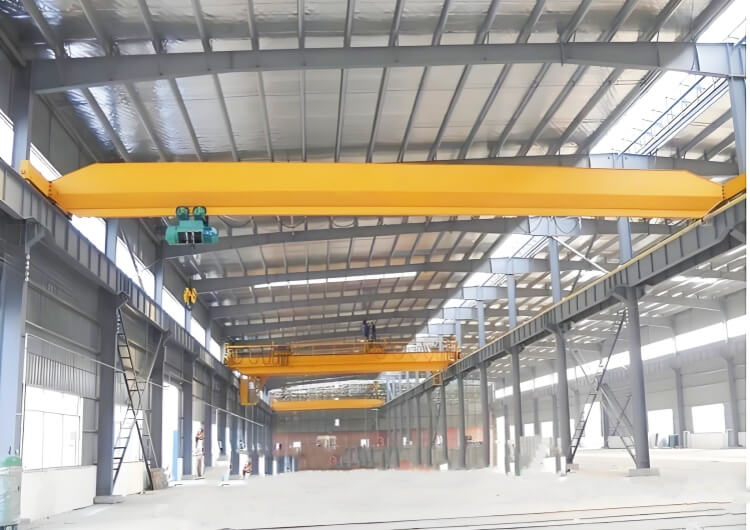
Single girder overhead cranes
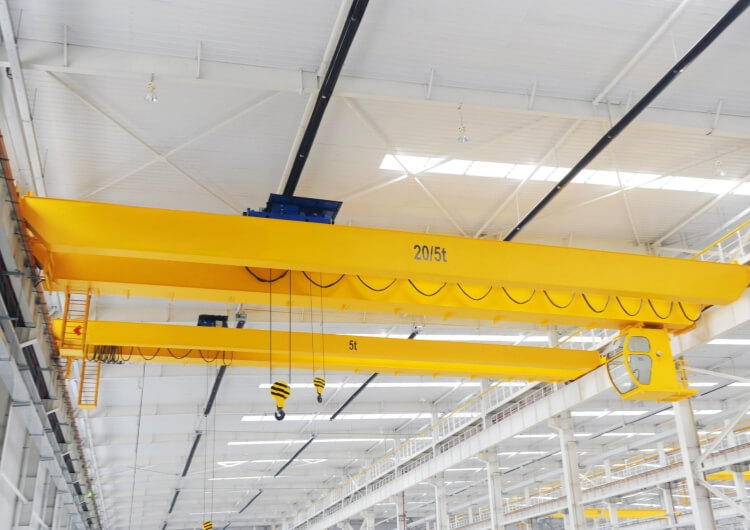
Double girder overhead cranes
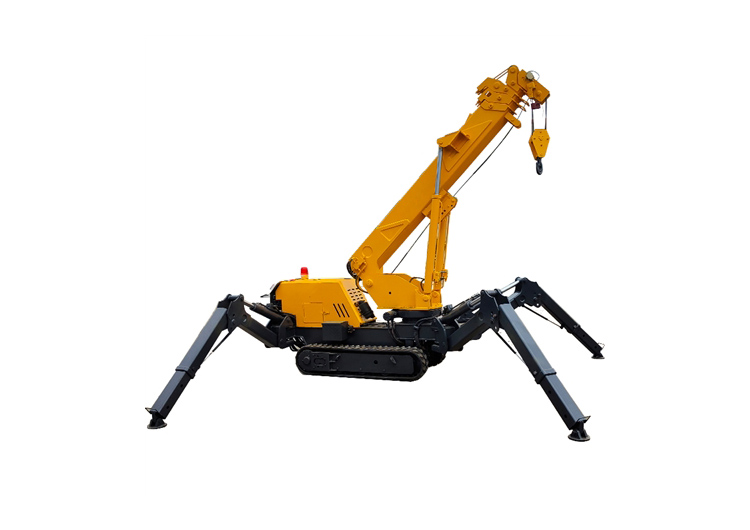
Spider cranes