
Gantry Crane Duty Classification: FEM, ISO Standards and Choosing the Right Class
Introduction: Why Crane Duty Class Matters More Than Capacity
When you are sourcing a gantry crane, the first two parameters you focus on are usually lifting capacity (tonnes) and span (metres).
But there is a proven truth in the industry:
Two gantry cranes, both rated for 20 tonnes, can have completely different service lives, price tags, and safety margins.
The deciding factor is not the thickness of the steel plate or the brand of the hoist — it is the crane’s duty class.
In procurement and engineering, ignoring duty class is one of the most common — and costliest — mistakes. A crane designed for occasional maintenance work will fail within months if used in a steel mill or shipyard. On the other hand, speccing a heavy‑duty crane for light warehouse work wastes money on unnecessary structural weight and wheel load.
This article explains:
-
What crane duty classification means
-
The difference between FEM and ISO standards (1Am–4m vs A3–A8)
-
How to select the right duty class for your gantry crane
-
What happens when you choose the wrong class
After reading, you will understand why crane duty class is a core selection criterion, not an optional extra.
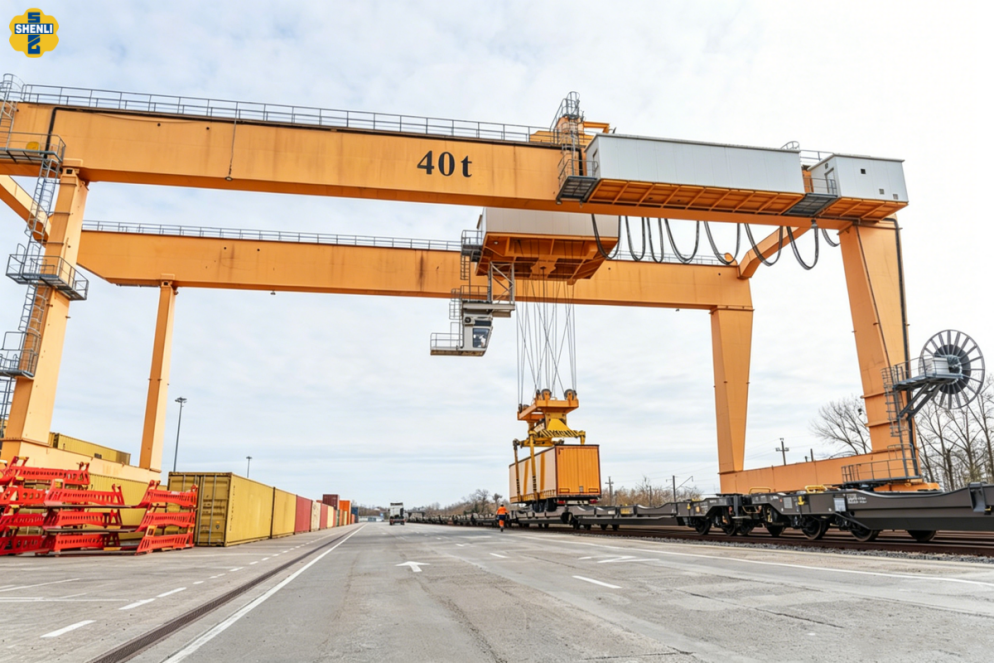
What Is Gantry Crane Duty Classification?
Duty class describes the intensity of work a crane is designed to handle over its entire service life. It does not measure the maximum single lift — it measures how often and under what load spectrum the equipment operates.
Think of it like a truck: a pickup and a long‑haul semi‑trailer can both carry 5 tonnes, but their frames, suspension, and engines are designed for completely different duty cycles.
How Is Gantry Crane Duty Class Determined?
The correct class cannot be guessed. It must be calculated from actual operational data. Engineers typically determine it as follows:
-
Load spectrum: The ratio of average operating load to rated capacity. For example, a 20‑t crane that regularly lifts 18 t has a high load spectrum.
-
Number of daily work cycles: Total lifts per day. Empty runs must also be counted if they stress the structure.
-
Average daily operating hours
| Load spectrum | Daily work cycles | Daily operating hours | Corresponding ISO class |
|---|---|---|---|
| Light (intermittent) | <10 | <2 hours | A3 (light) |
| Light to medium | 10–30 | 2–4 hours | A4 (moderate‑light) |
| Medium | 30–60 | 4–8 hours | A5 (moderate) |
| Medium to heavy | 60–120 | 8–12 hours | A6 (heavy) |
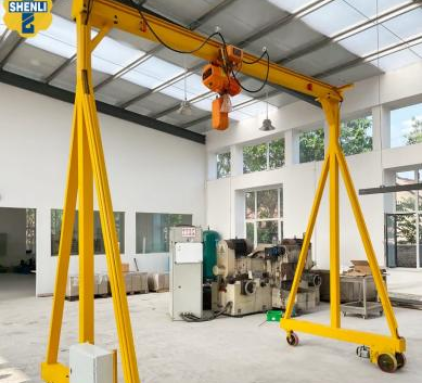
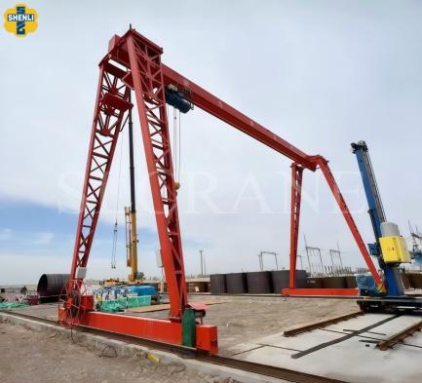
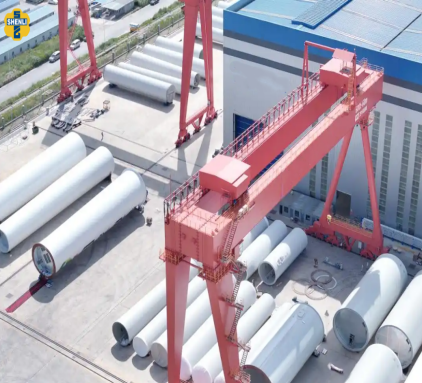
FEM vs ISO Crane Duty Class: What Is the Difference?
FEM Crane Duty Class Explained (1Am – 4m)
The FEM classification system was developed by the European Material Handling Federation. It is widely used in European industrial equipment, international EPC projects, and overseas crane procurement.
FEM classes focus on the fatigue resistance and durability of individual crane mechanisms. There are four main classes: 1Am, 2m, 3m, and 4m. Each class corresponds to specific design standards for structural components, motors, gearboxes, and bearings, ensuring that mechanical performance matches the intensity of work.
| FEM class | Duty level | Typical applications | Key operating characteristics |
|---|---|---|---|
| 1Am | Extra light | Equipment maintenance, standby crane in workshop | Very low lifting frequency, only light loads |
| 2m | Light | General warehouses, light fabrication shops | Daily intermittent operation, light to medium loads, low wear |
| 3m | Medium | Regular production workshops, steel fabrication, logistics transfer bays | Steady operating hours, frequent medium loads, moderate fatigue |
| 4m | Heavy | Steel mills, forging shops, heavy machinery manufacturing | Continuous heavy operation, frequent full‑load lifts, stringent fatigue requirements |
FEM 4m is the highest standard class for most heavy industrial conditions. For extremely severe environments such as shipyards and ports, cranes are often specified as FEM 4m with additional reinforcement.
ISO 4301 Crane Classification Explained
ISO 4301 is the most globally recognised and widely used crane classification standard. It is adopted by the vast majority of countries and international engineering projects.
Under this standard, gantry cranes are classified from A1 to A8 (some special applications extend to A9). In industrial procurement and project execution, A3, A5, and A7 are the most commonly used classes, covering more than 90% of factory and project requirements.
| ISO class | Duty definition | Typical applications | Operating characteristics |
|---|---|---|---|
| A3 | Light | Workshop equipment maintenance, laboratory material handling | Low lifting frequency, short daily operating hours, long idle periods |
| A5 | Medium | General warehouses, regular production workshops, assembly lines | Standard 8‑hour daily operation, mostly medium loads, stable work cycles |
| A7 | Heavy | Steel industry, heavy component fabrication, metallurgical workshops | Continuous operation, frequent full‑load lifts, high fatigue |
| A8 | Very heavy | Shipyards, ports, large heavy industrial bases | 24‑hour continuous operation, sustained full‑load running, maximum safety factor |
Differences Between FEM and ISO Classification
This is a common point of confusion. FEM and ISO are not identical, but they can be roughly correlated. The main differences are:
-
ISO classifies the complete crane based on total lifetime work cycles.
-
FEM classifies each individual mechanism separately.
-
ISO A1–A8 and FEM 1Am–4m can be roughly cross‑referenced, but there is no strict one‑to‑one correspondence.
Approximate Cross‑Reference Table
| ISO class | Approximate FEM class | Typical application |
|---|---|---|
| A3 | 1Am–1Bm | Light maintenance work |
| A5 | 2m–3m | General production workshops |
| A7 | 3m–4m | Steel mills, shipyards |
| A4 | 1Bm–2m | Warehouses, light fabrication |
| A6 | 3m | Heavy fabrication, foundries |
| A8 | 4m+ | Ports, 24‑hour continuous transfer |
Important note: Never select a crane by direct conversion from this table. Always verify the original standard used by the manufacturer. A manufacturer‘s claim of “in‑house standard equivalent to A5” is not the same as ISO‑certified A5.
How to Choose the Right Gantry Crane Duty Class (Step‑by‑Step Guide)
This section is for decision‑makers. Follow this method to avoid both budget waste and under‑design.
Step 1: Determine your real work cycle
Answer three questions honestly:
-
How many lifts per day on average?
-
<20 → Light
-
20–60 → Medium
-
60–150 → Heavy
-
150 → Very heavy
-
-
What percentage of lifts are near full load (>80% of rated capacity)?
-
<15% → Light load spectrum
-
15–40% → Medium load spectrum
-
40% → Heavy load spectrum
-
-
How many hours per day does the crane actually move/lift?
-
<2 hours → Light
-
2–6 hours → Medium
-
6–12 hours → Heavy
-
12 hours → Very heavy
-
Step 2: Map to ISO class
| Combined work intensity | Recommended ISO class |
|---|---|
| Light | A3 |
| Light – Medium | A4 |
| Medium | A5 |
| Medium – Heavy | A6 |
| Heavy | A7 |
Step 3: Add a safety margin
If your business is growing, specify one class higher (e.g., A6 instead of A5). The incremental cost is small compared to later retrofits or premature replacement.
Quick selection by application
| Application | Recommended class | Selection basis |
|---|---|---|
| Occasional maintenance depot | A3 | Few work cycles, light loads |
| General warehouse | A4–A5 | Regular operation, not continuous |
| Fabrication / assembly workshop | A5 | Mixed loads, standard shifts |
| Steel coil processing centre | A6 | Frequent full‑load lifts |
| Steel mill / foundry | A7 | Continuous operation, near‑rated loads |
| Shipyard (block assembly, component erection) | A7–A8 | Heavy loads, long operating hours, high safety demands |
| Port / intermodal hub | A8 | 24‑hour operation, peak work cycles |
Risks of Choosing the Wrong Crane Duty Class
The cost of a wrong duty class rarely appears on the purchase invoice — it shows up later as downtime, repairs, or replacement.
1. Under‑specifying (class too low)
This is the most common mistake. Saving 15–20% on initial cost can lead to 3–5 times higher lifetime cost. Consequences include:
-
Premature wear: Bearings, wheels, and rails wear out in months instead of years.
-
Motor overheating: Motors under‑sized for the work cycle trip on thermal overload, causing production interruptions.
-
Structural fatigue: Micro‑cracks develop in the main girder. Best case: expensive on‑site repair. Worst case: catastrophic failure.
-
Brake failure: Frequent heavy stops exceed the brake‘s design cycle life.
-
Unplanned downtime: In a production facility, one hour of crane downtime can cost thousands to tens of thousands of dollars.
Real‑life example: A fabrication shop bought an A3 gantry crane for single‑shift operation. Later they pushed it to 1.5 shifts with heavier loads. The bridge wheel flanges wore out completely in 11 months. Replacement cost + downtime loss = 2.5 times the “saving” on the purchase price.
2. Over‑specifying (class too high)
Over‑specifying is less dangerous but still costly. Main consequences:
-
Higher capital cost: For the same capacity, an A7 crane costs about 30–50% more than an A5.
-
Heavier structure: More steel → higher dead weight → stronger runway beams and foundations needed. This can significantly increase civil works cost.
-
Higher wheel load: Existing factory floor or rails may not support the load.
-
More expensive maintenance: Larger motors, gearboxes, and brakes cost more to replace.
-
Energy waste: Heavier mechanisms consume more electricity per cycle.
The right balance: Select the lowest class that reliably handles your peak work cycle plus an extra 10–20% for growth — and no higher.
Common Duty Classes for Different Gantry Crane Applications (Quick Reference)
Use this as a quick reference for initial selection or when writing specification sheets for quotes.
| Application | Common ISO class | Common FEM class |
|---|---|---|
| Occasional maintenance depot | A3 | 1Am–1Bm |
| Spare parts warehouse | A4 | 1Bm–2m |
| General warehouse (order picking) | A4–A5 | 2m |
| Light fabrication (sheet metal, woodworking) | A5 | 2m–3m |
| Machine shop (machine tending) | A5 | 2m–3m |
| Heavy steel fabrication | A6 | 3m |
| Foundry / non‑ferrous melting shop | A6–A7 | 3m–4m |
| Steel mill (coil, slab handling) | A7 | 4m |
| Shipyard (block assembly) | A7 | 4m |
| Shipyard (mega‑block erection, ultra‑heavy lift) | A8 | 4m+ |
| Scrap yard (electromagnet duty) | A7–A8 | 4m+ |
Procurement tip: When sending RFQs to multiple suppliers, describe your application and cycle data, not just the expected class.
Conclusion: Choosing the Right Duty Class Saves Cost and Extends Crane Life
The lowest‑priced crane on a quotation is rarely the one that offers the best value for your actual production needs.
Key takeaways:
-
Know your real lift cycles, load spectrum, and operating hours.
-
Match them to the correct ISO (A3–A8) or FEM (1Am–4m) duty class.
-
Do not let a supplier “down‑class” your crane just to win the order on price.
-
Do not blindly overspecify “to be safe” — a higher class means higher structural cost and higher wheel load.
A correctly specified gantry crane will:
✅ Operate reliably over its design life
✅ Minimise unplanned downtime
✅ Work safely under the intended conditions
✅ Achieve the lowest total cost of ownership
If you are unsure which duty class fits your material handling application, contact the technical team at SLKJCrane. With extensive hands‑on project experience, we provide accurate verification of operating data, dual‑standard (FEM/ISO) compliance matching, and customised total‑cost‑of‑ownership optimisation. We help you avoid the low‑price trap, eliminate over‑engineering waste, and select a safe, compliant, cost‑effective gantry crane configuration for your specific working conditions.

Expert in Overhead Crane/Gantry Crane/Jib Crane/Crane Parts Solutions
Eileen
With 20+ years of experience in the Crane Overseas Export Industry, helped 10,000+ customers with their pre-sales questions and concerns, if you have any related needs, please feel free to contact me!
Our Crane Product Range
SLKJcrane provides a wide range of lifting equipment solutions including:
– Single Girder Overhead Crane
– Double Girder Overhead Crane
– Gantry Crane
– Spider Crane
– Marine Crane
Our engineering team can configure safety devices and technical solutions according to project requirements.
FAQ
Duty class takes priority over rated capacity. Capacity only tells you the maximum single lift. Duty class determines durability, safety, service life, and operating cost — it is the core selection criterion.
No. ISO applies to the complete crane; FEM applies to individual mechanisms. Cross‑reference tables are only rough guides — there is no precise one‑to‑one relationship. Do not convert directly for selection.
For general factories, warehouses, and assembly workshops, ISO A5 / FEM 2m–3m is recommended. For light maintenance, choose A3. For heavy steel or metallurgical work, upgrade to A6/A7.
Latest Blog
Lorem ipsum dolor sit amet, consectetur adipiscing elit, sed do eiusmod tempor incididunt ut labore et dolore magna aliqua
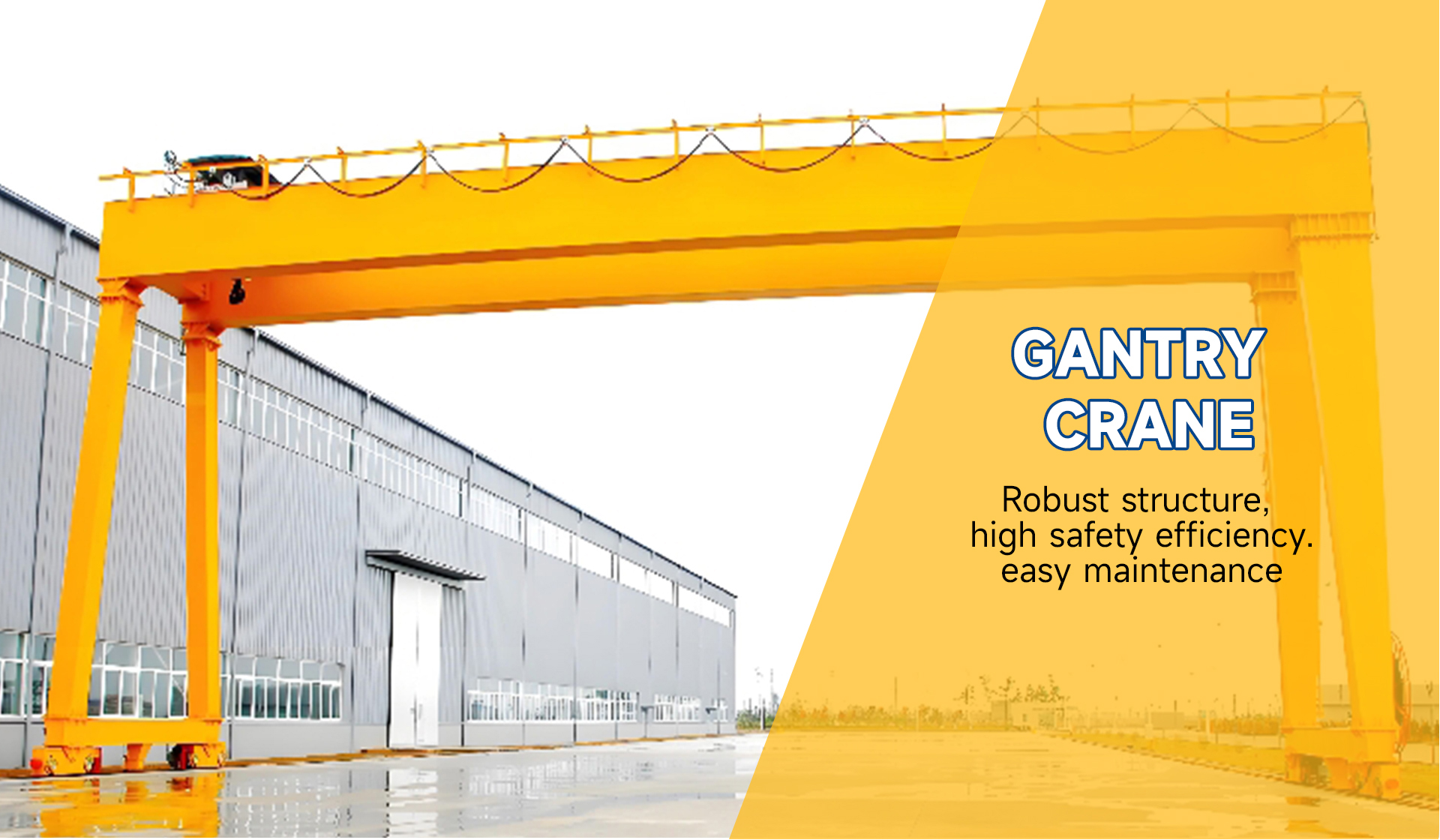
Gantry Crane Price Guide 2026
Gantry Crane Price Guide 2026: Cost by Tonnage, Type & Configuration Table of Contents Why a Gantry Crane
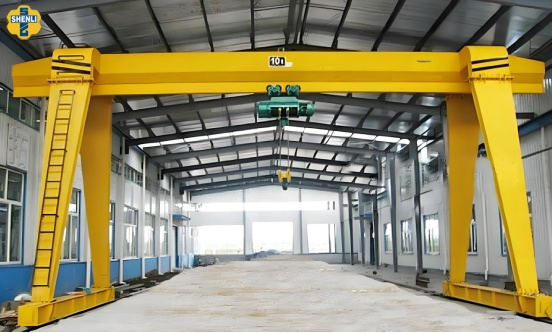
Hidden Costs of Importing a Gantry Crane
Hidden Costs of Importing a Gantry Crane: Shipping, Customs and Installation Guide Why Is a Gantry Crane Quote
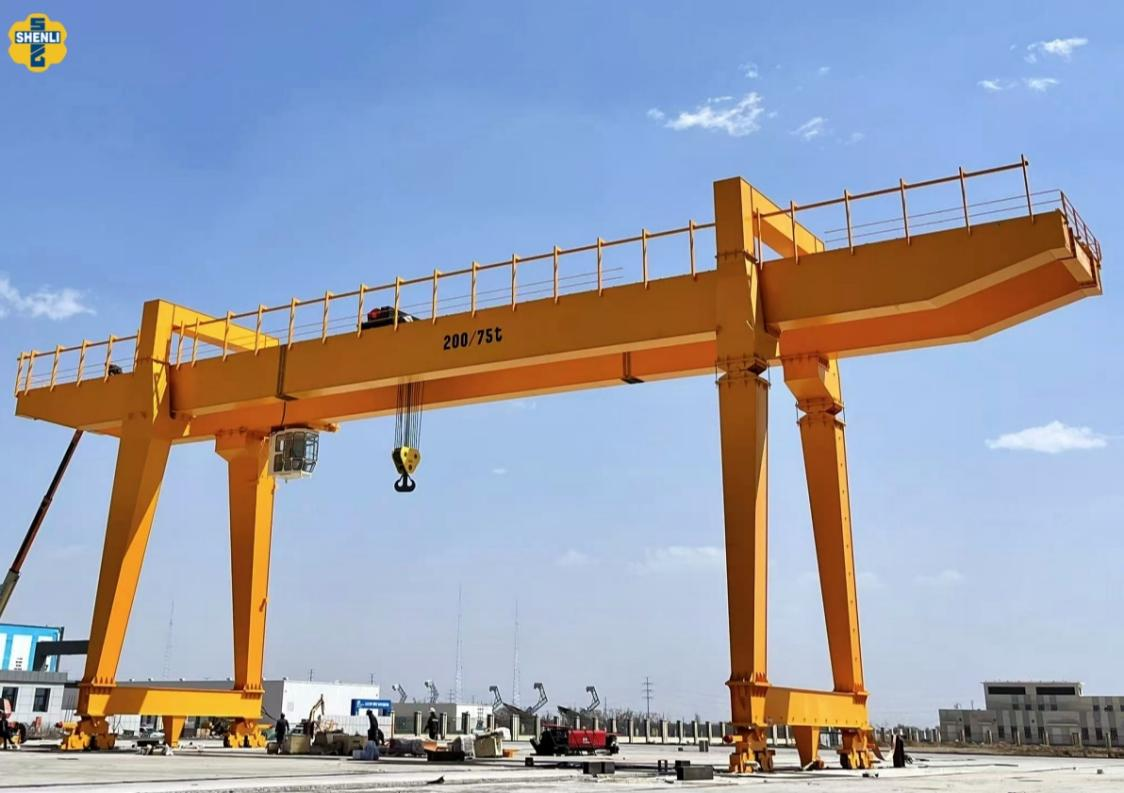
Used vs New Gantry Crane: Total Cost of Ownership Explained
Used vs New Gantry Crane: Which One Has Lower Total Cost of Ownership (TCO)? Introduction When purchasing a
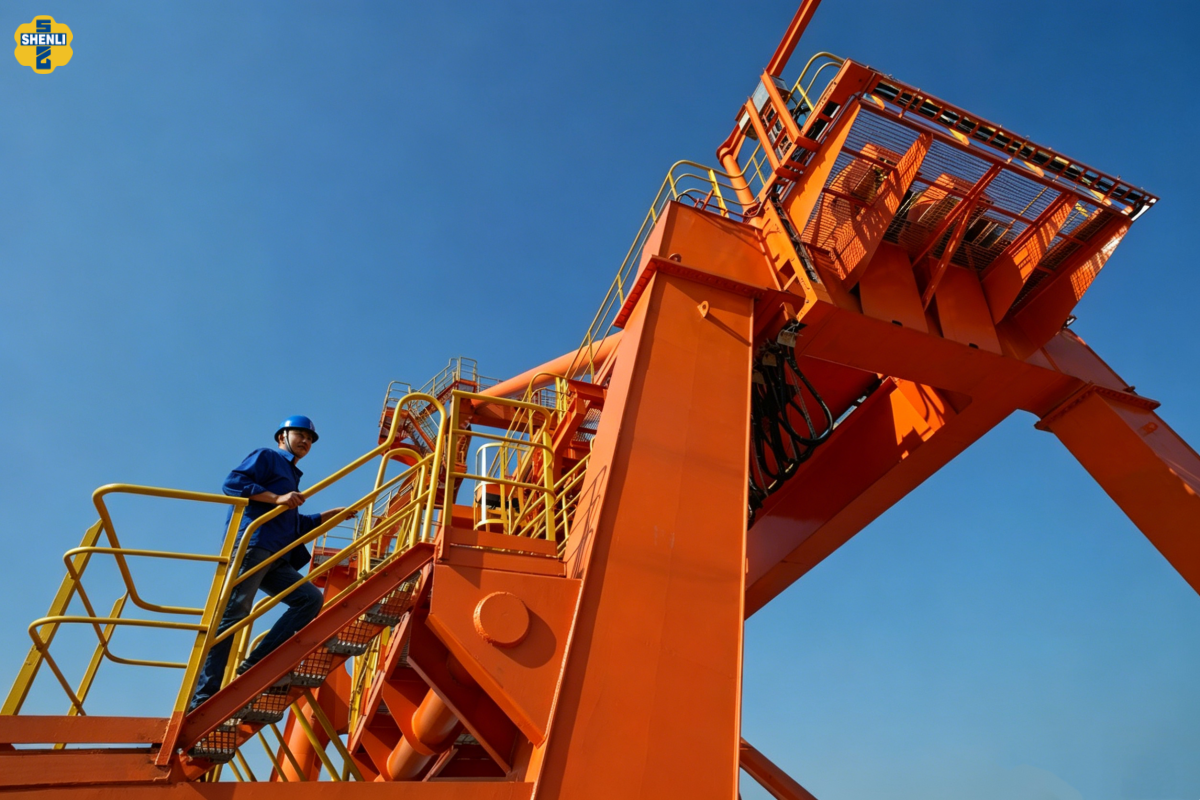
Gantry Crane Predictive Maintenance: How IoT Sensors Reduce Downtime
Gantry Crane Predictive Maintenance: How IoT Sensors Reduce Downtime Why Does Gantry Crane Downtime Cost So Much? Gantry
Contact Us Now
Have questions about our cranes or need help?
Reach out to our friendly team for expert support and guidance.
We are here to help you power your journey towards a greener future !
Address: Crane Industry Park, Xinxiang City Henan Provice
Hot Sales
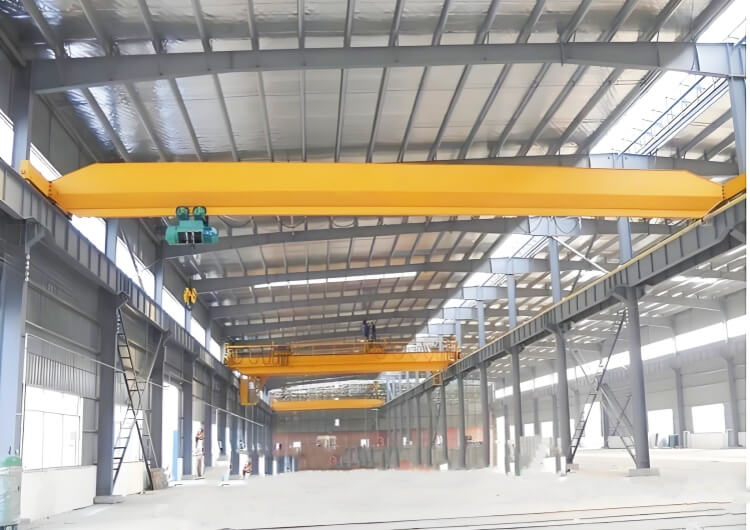
Single girder overhead cranes
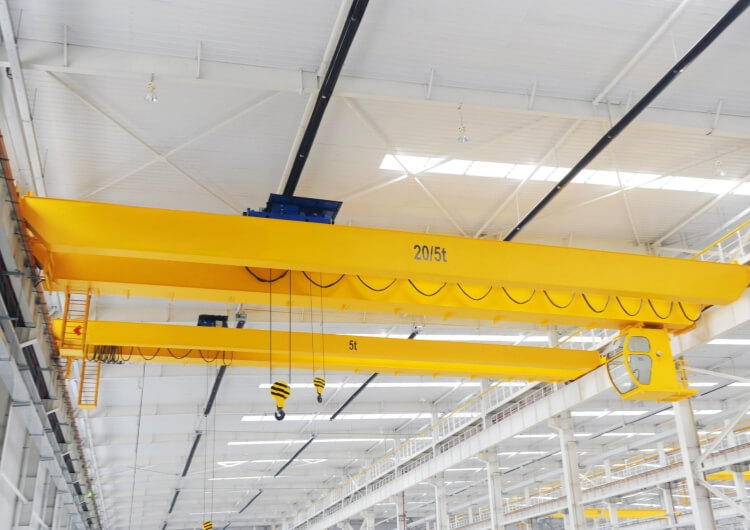
Double girder overhead cranes
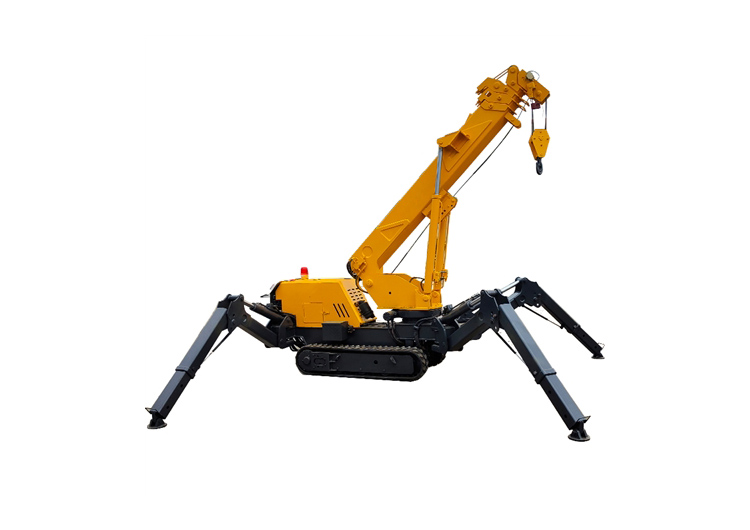
Spider cranes