
Automated Gantry Crane: Benefits, Cost and ROI for Smart Factories
Why Are More Factories Investing in Automated Gantry Cranes?
Rising labor costs, tighter safety regulations, and the push for digital transformation are driving more manufacturers to upgrade their material handling equipment. Among the most impactful upgrades is the automated gantry crane.
Unlike traditional cranes that rely entirely on a skilled operator, an automated gantry crane uses intelligent control systems to perform lifting and transporting tasks with minimal human intervention. This results in higher efficiency, greater consistency, and fewer workplace accidents. As a result, automated gantry cranes are gaining traction in steel processing, container handling, precast concrete, rail maintenance, and smart warehouses.
So, what exactly is an automated gantry crane? What value does it bring, and how quickly can you recover the investment? This guide answers all these questions.
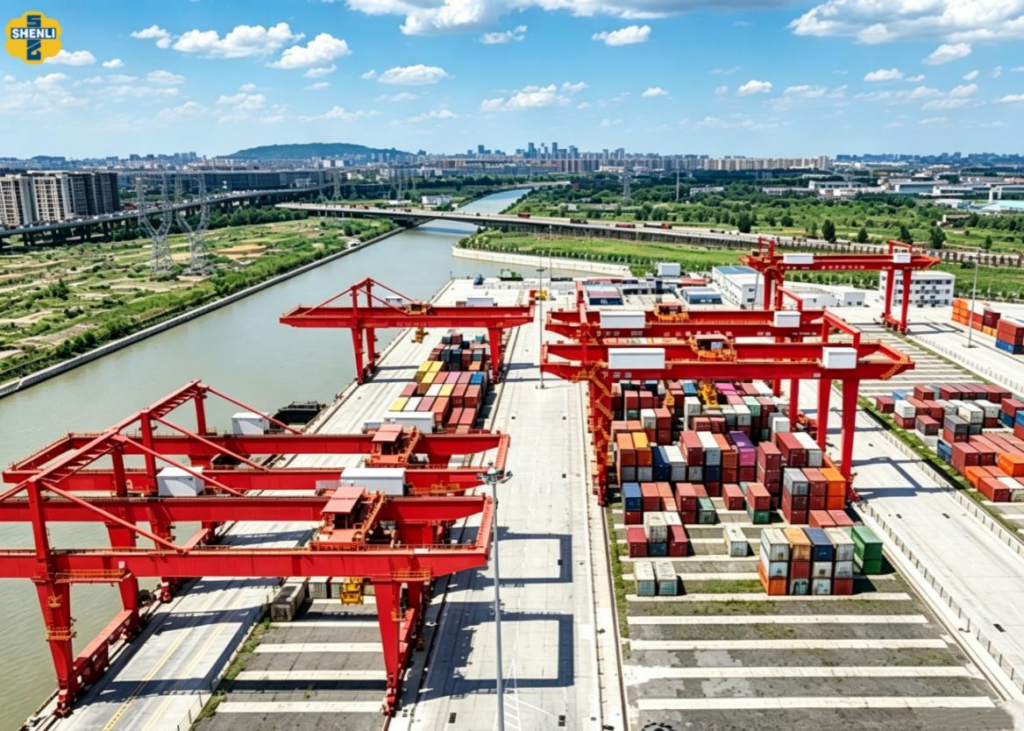
1. What Is an Automated Gantry Crane?
An automated gantry crane is equipped with a dedicated control system and software platform that allows it to perform lifting and moving tasks with very little operator involvement.
Depending on the level of automation, the crane can achieve some or all of the following functions:
Automatic positioning of the bridge travel
Automatic hoisting and lowering
Automated load pickup and release
Path planning and self‑navigation
Obstacle detection and collision avoidance
Intelligent job scheduling and task queuing
Real‑time data logging and report generation
In a fully automated configuration, the operator does not even need to be on the crane. They can monitor and supervise multiple cranes from a central control room.
Automated Gantry Crane vs Traditional Gantry Crane
Traditional gantry cranes depend heavily on the operator‘s experience and skill. Every movement — bridge travel, load alignment, hook placement — requires manual control.
An automated gantry crane transfers most of these tasks to the control system. This dramatically improves repeatability, reduces human error, and is especially effective in repetitive material handling environments.
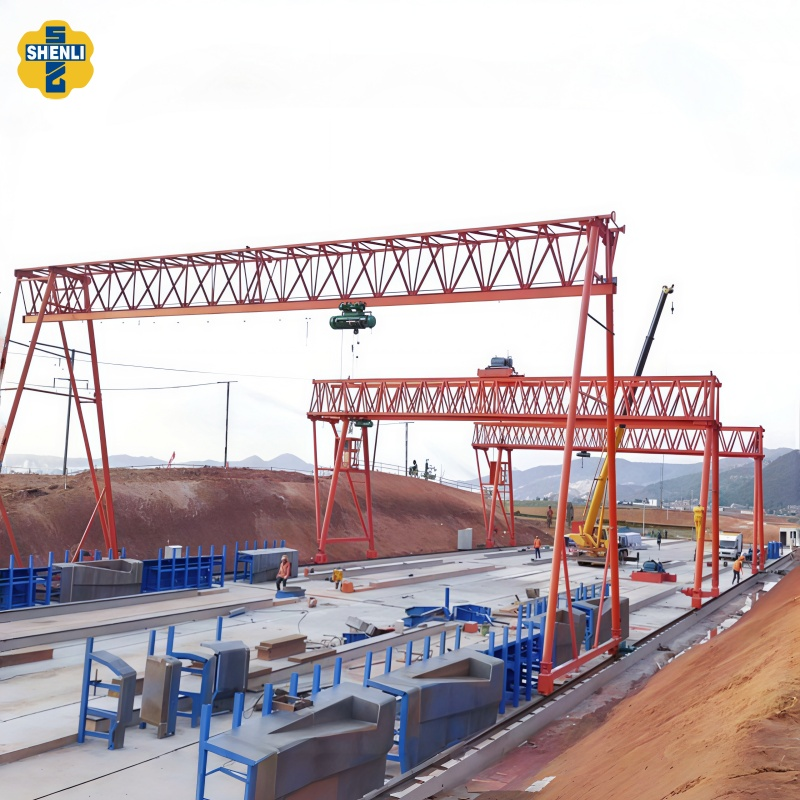
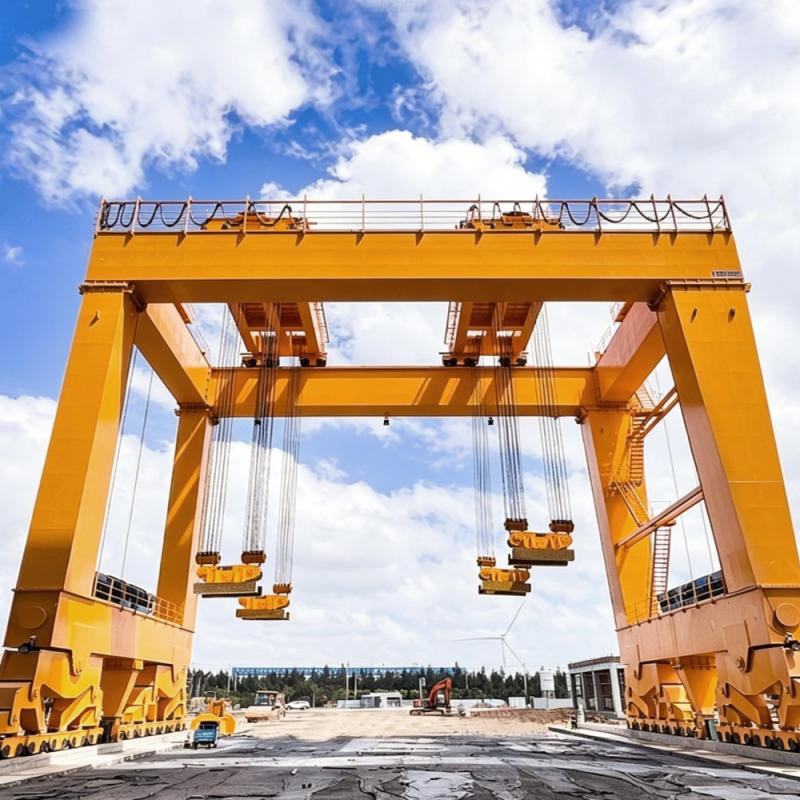
2. How Does an Automated Gantry Crane Work?
Although automation configurations vary between projects, most automated gantry cranes rely on several core technologies to operate autonomously.
PLC Control System
The programmable logic controller (PLC) is the brain of the crane. It receives job commands, interprets sensor data, coordinates all motions, and executes safety interlocking logic. Modern PLC systems can synchronize multiple mechanisms simultaneously, ensuring smooth acceleration and precise positioning.
Positioning and Navigation System
Accurate positioning is the foundation of any automated crane. Depending on the application, one or more of the following technologies are used:
Laser positioning systems
RFID tags and readers
Encoder feedback on wheels and drums
GPS for large outdoor stockyards
Machine vision with cameras
These technologies allow the crane to know its exact position and place loads with high repeatability.
Anti Sway Technology
Load swing is one of the biggest challenges in crane automation. Advanced anti‑sway algorithms calculate an optimal speed profile to keep the suspended load stable during acceleration and braking. This shortens cycle times and improves safety and positioning accuracy.
Safety and Monitoring System
Automated gantry cranes come with multiple layers of protection: collision avoidance systems, obstacle detection sensors, overload limiters, wind speed monitors (for outdoor units), and emergency stop circuits. These ensure safe operation even in complex industrial environments.
Integration with Factory Management Systems
One of the most valuable benefits of automation is connectivity. An automated gantry crane can directly interface with MES (Manufacturing Execution System), WMS (Warehouse Management System), and ERP (Enterprise Resource Planning). Material handling tasks are then automatically generated, scheduled, tracked, and archived — greatly reducing manual data entry and paperwork.
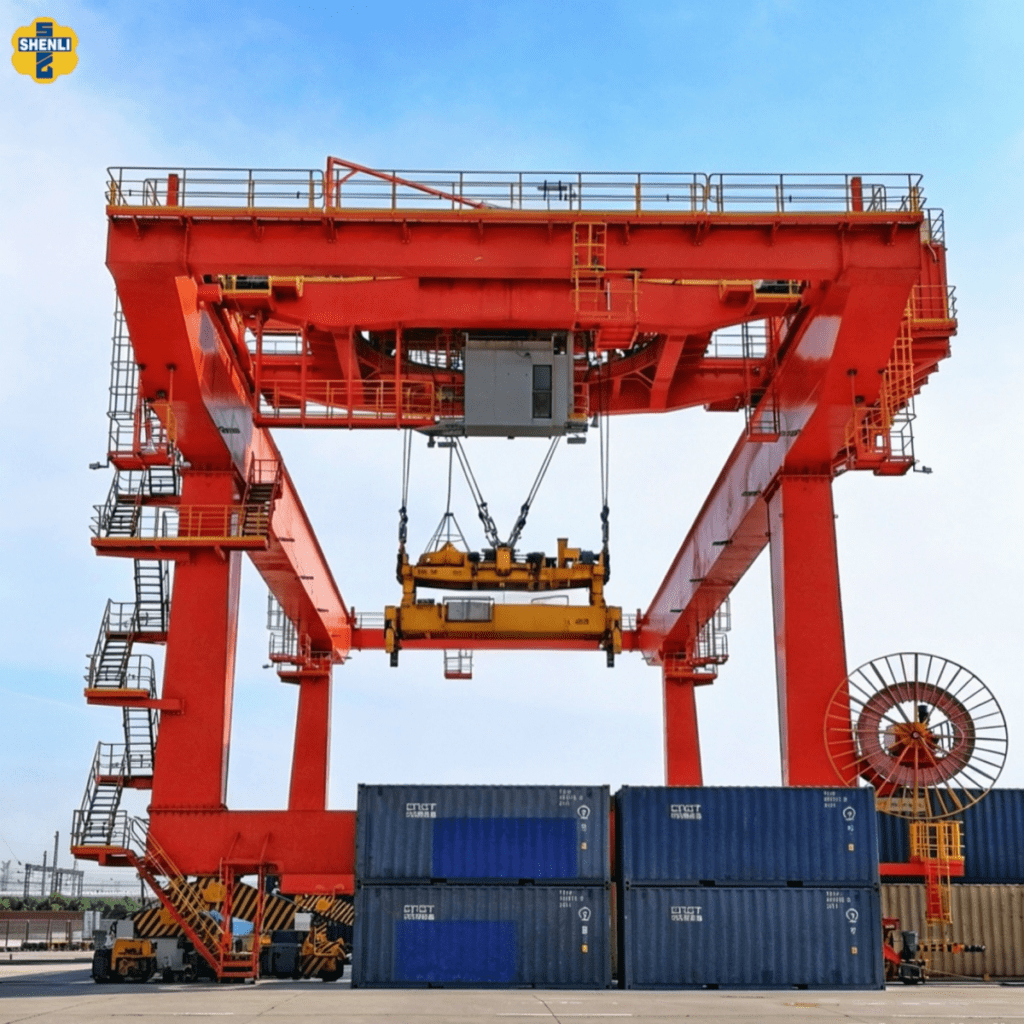
3. Core Benefits of an Automated Gantry Crane
The advantages go far beyond reducing labor costs.
Lower Labor Costs
In many regions, labor is the single largest operating expense in material handling. An automated gantry crane dramatically reduces the number of operators required, especially in multi‑shift operations. For high‑throughput facilities, the labor savings alone can cover the automation investment within a very short period.
Higher Productivity
Automated equipment works consistently without fatigue, shift change downtime, or skill variation. Cycle times become predictable, production schedules become easier to manage, and throughput increases measurably.
Improved Safety
Many industrial accidents are caused by human error or close proximity to moving loads. Automation reduces the need for personnel to work near suspended loads. This is especially valuable in steel mills, ports, heavy manufacturing, and precast plants.
Greater Positioning Accuracy
Automated systems maintain high positioning accuracy over time without variation. This is essential for handling steel coils, molds, precast concrete components, heavy machinery, and containers — where precise placement prevents damage and improves stacking efficiency.
24/7 Operation
An automated gantry crane can run continuously with only minimal remote supervision. For factories that operate around the clock, this significantly increases asset utilization.
Data‑Driven Production Control
Every move is logged. Managers can review real‑time data on crane utilization, cycle time per job, downtime events, energy consumption, and maintenance history. This data helps optimize workflows and justify future investments.
4. Which Industries Benefit Most from Automated Gantry Cranes?
Automation delivers the greatest value in environments where material flow is repetitive and predictable.
Steel Industry
Steel coil handling, plate storage, billet transport, and yard management are high‑frequency, repetitive tasks. Automation pays off quickly in these applications.
Precast Concrete Factories
Precast yards handle uniform product sizes and follow fixed lifting sequences. Automation reduces cycle times and minimizes product damage from accidental bumps.
Container Yards
Container stacking and retrieval was one of the earliest adopters of crane automation. Automated stacking cranes (ASCs) improve yard density and lower operating costs.
Smart Warehouses
Modern warehouses increasingly rely on automated material handling. Automated gantry cranes can integrate with warehouse management systems to automate inbound and outbound logistics.
General Manufacturing
Automated gantry cranes transfer raw materials, work‑in‑progress, and finished goods between production cells and storage areas. They are widely used in automotive, machinery, and heavy equipment plants.
Rail Maintenance Depots
Frequent lifting of bogies, wheelsets, and other heavy rail components makes depots ideal candidates for partial or full automation.
5. Investment Cost of an Automated Gantry Crane
This is the most common question, but there is no single “standard” price. Each automation project is different.
Key factors that influence cost
Rated lifting capacity, span, and duty class
Level of automation (semi vs fully automated)
Positioning technology (laser, vision, RFID, GPS)
Safety features and redundancy requirements
Software integration complexity (MES, WMS, ERP)
Site conditions (indoor/outdoor, interference, weather)
New crane purchase vs retrofit of an existing crane
Semi‑automated systems
Semi‑automation typically includes auto‑positioning, anti‑sway, and assisted lifting. It has a lower upfront cost and shorter implementation timeline. Ideal for facilities that want to improve efficiency without a full‑scale transformation.
Fully automated systems
A fully automated gantry crane receives tasks directly from the management system and executes them without any operator intervention. It requires advanced sensors, fleet scheduling software, system integration platforms, and redundant safety architecture. Initial investment is significantly higher, but the long‑term savings are also greater.
New crane vs retrofit
For some facilities, retrofitting an existing gantry crane with automation components is more cost‑effective than buying a completely new crane. However, older cranes may need structural reinforcement, electrical system upgrades, and control panel replacement. A detailed technical assessment is required before deciding.
6. ROI Analysis of an Automated Gantry Crane
Cost should not be the only criterion. The real question is: what return does the investment generate?
Basic ROI formula
Most companies use one of two formulas:
ROI = Annual cost savings ÷ Additional investment
Payback period (years) = Additional investment ÷ Annual cost savings
The shorter the payback period, the more attractive the project.
ROI example
Assume a factory operates a 20‑ton gantry crane on three shifts.
Before automation: 6 crane operators (2 per shift), all manual operation
After automation: 2 remote supervisors (across all shifts)
If each operator costs $60,000 per year (fully loaded):
Annual labor saving = 4 fewer operators × $60,000 = $240,000
Additional investment for automation = $180,000
Payback period = $180,000 ÷ $240,000 = 0.75 years (9 months)
In practice, the payback could be even faster because of reduced downtime, fewer product damage incidents, and lower safety‑related costs.
7. Common Mistakes When Evaluating Automated Gantry Cranes
Mistake 1 – Automation means “unmanned”
Many buyers assume an automated crane requires zero human presence. In reality, even fully automated systems need remote monitoring, scheduled maintenance, and occasional intervention for exception handling. The goal is not to eliminate people but to reduce repetitive, high‑risk manual work.
Mistake 2 – Automation always requires a brand‑new crane
Retrofitting an existing crane with PLCs, sensors, and positioning systems is often more cost‑effective than buying a new unit. Many older cranes have structurally sound frames that can be upgraded at a fraction of the replacement cost. Always evaluate retrofit before assuming you need to purchase new.
Mistake 3 – Higher automation level is always better
Full automation is expensive and may not be necessary for every operation. For facilities with low lift frequencies or variable workflows, semi‑automation often delivers 80% of the benefit at 30% of the cost. Choose the level that matches your actual process, not the highest available.
Mistake 4 – Equipment price is more important than ROI
Focusing only on the upfront price can lead to under‑specified systems that fail to deliver expected savings. A slightly more expensive automation package that cuts cycle time by 30% and reduces labor by four operators will always outperform a cheaper, less capable system over the crane’s 15‑year life. Calculate ROI, not just purchase price.
8. Why Choose SLKJ Crane for Automation Projects
When you invest in an automated gantry crane, you need more than just hardware — you need engineering depth, integration expertise, and long‑term support.
SLKJ Crane brings:
20+ years of crane engineering experience – We have designed and delivered gantry cranes for steel mills, ports, precast plants, and rail depots worldwide.
PLC integration capability – Our engineers program and integrate PLC systems (Siemens, Schneider, ABB, etc.) to ensure smooth communication between crane hardware and your factory management software.
Retrofit solutions for existing cranes – We assess your current crane’s structural and electrical condition and provide a cost‑effective path to semi or full automation without the expense of a new crane.
Customized automated gantry crane design – Every facility is different. We customize span, capacity, duty class, positioning technology, and automation level to your exact operational needs.
Global project delivery experience – Our team has successfully executed automated crane projects in demanding environments, including outdoor container yards, high‑temperature steel mills, and 24/7 precast production lines.
Technical support and training – We provide on‑site installation supervision, commissioning, and comprehensive training for your maintenance and operations staff. Remote support is also available.
Why this matters: Automation is not a simple off‑the‑shelf purchase. A supplier that understands both crane mechanics and control systems can make the difference between a project that delivers its promised ROI and one that never performs as expected.
9. Is an Automated Gantry Crane Worth the Investment?
For facilities with high lift frequency, multi‑shift operation, rising labor costs, or a smart factory roadmap, an automated gantry crane can deliver substantial economic and operational benefits.
But there is no one‑size‑fits‑all solution. Before committing, evaluate:
Material flow characteristics (predictable vs variable)
Annual crane usage hours and lift count
Local labor costs and availability
Existing workflow and digital maturity
Future expansion plans
In most cases, the best solution is not the highest automation level — it is the level that aligns with your production needs, investment capacity, and expected payback period. Always perform a technical and financial assessment before finalizing your purchase.
10. Get a Custom Automated Gantry Crane Proposal
Every material handling operation has unique requirements. At SLKJ Crane, we do not push a generic automation package. We listen to your workflow, study your load cycles, and design a solution that fits your budget and performance targets.
What we offer:
Free automation feasibility assessment – We review your existing crane or new project requirements.
Retrofit or new crane – We provide both options with clear cost‑benefit analysis.
PLC, vision, remote monitoring integration – Tailored to your existing IT systems.
Installation, commissioning, and training – Worldwide support.
Long‑term spare parts and remote troubleshooting – Minimise your downtime.
👉 Contact us today – Share your lifting capacity, load type, daily cycles, and site layout. We will recommend the most cost‑effective automated gantry crane solution for your smart factory journey.

Expert in Overhead Crane/Gantry Crane/Jib Crane/Crane Parts Solutions
Eileen
With 20+ years of experience in the Crane Overseas Export Industry, helped 10,000+ customers with their pre-sales questions and concerns, if you have any related needs, please feel free to contact me!
Our Crane Product Range
SLKJcrane provides a wide range of lifting equipment solutions including:
– Single Girder Overhead Crane
– Double Girder Overhead Crane
– Gantry Crane
– Spider Crane
– Marine Crane
Our engineering team can configure safety devices and technical solutions according to project requirements.
FAQ
Yes. Most gantry cranes can be retrofitted with PLCs, sensors, VFDs, and positioning systems. However, a structural and electrical assessment is required to determine feasibility and cost.
If your process is repetitive, high‑volume, and you need to minimize labor, choose full automation. If your budget is limited or your workflows change frequently, semi‑automation is often more practical.
Yes, but far fewer. Semi‑automated cranes may need an operator for setup and exception handling. Fully automated cranes can run with remote monitoring only — typically one person supervising multiple units.
Yes. Automated cranes for outdoor use are designed with weatherproof enclosures, anti‑corrosion coatings, and wind monitoring. However, extreme conditions (typhoons, lightning) still require safe shutdown procedures.
Depending on the technology used (laser, vision, encoder), positioning accuracy typically ranges from ±2 mm to ±20 mm. High‑precision applications can achieve sub‑millimeter repeatability.
Yes, it can operate continuously, but regular scheduled maintenance and inspection are still necessary to ensure long‑term reliability. Most automated cranes are designed for 20+ years of service with proper care.
Final thought: Automation is not just about reducing headcount. It is about improving safety, predictability, and data‑driven control. For companies that handle heavy loads daily, an automated gantry crane is often a strategic investment that pays for itself multiple times over.
Latest Blog
Lorem ipsum dolor sit amet, consectetur adipiscing elit, sed do eiusmod tempor incididunt ut labore et dolore magna aliqua
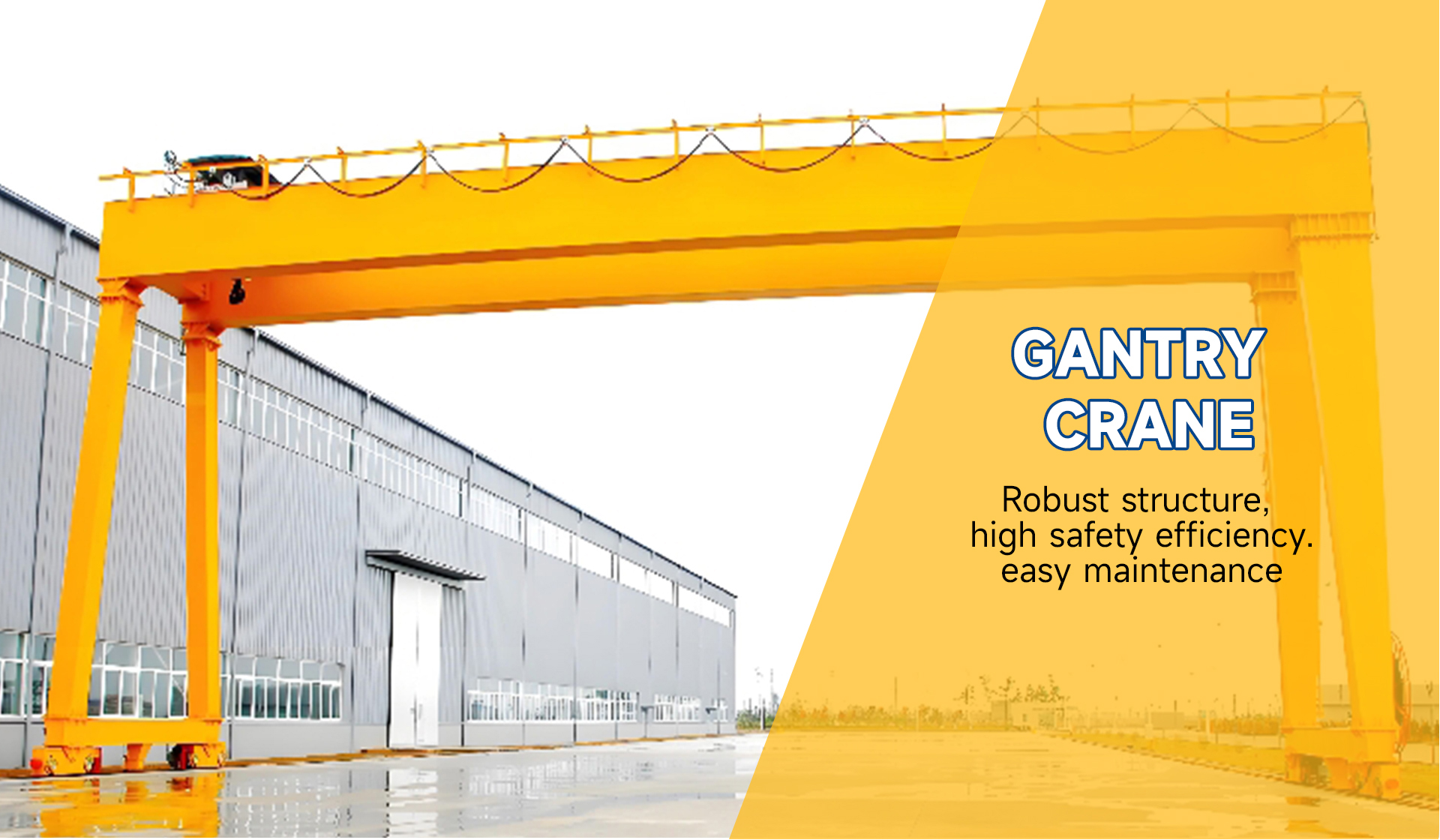
Gantry Crane Price Guide 2026
Gantry Crane Price Guide 2026: Cost by Tonnage, Type & Configuration Table of Contents Why a Gantry Crane
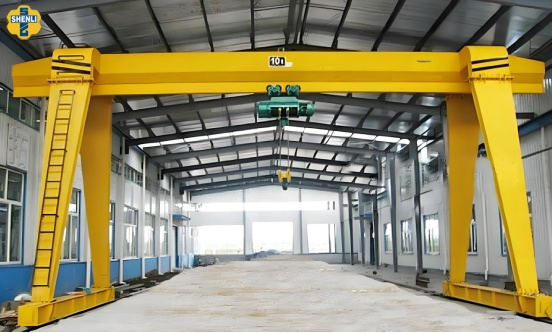
Hidden Costs of Importing a Gantry Crane
Hidden Costs of Importing a Gantry Crane: Shipping, Customs and Installation Guide Why Is a Gantry Crane Quote
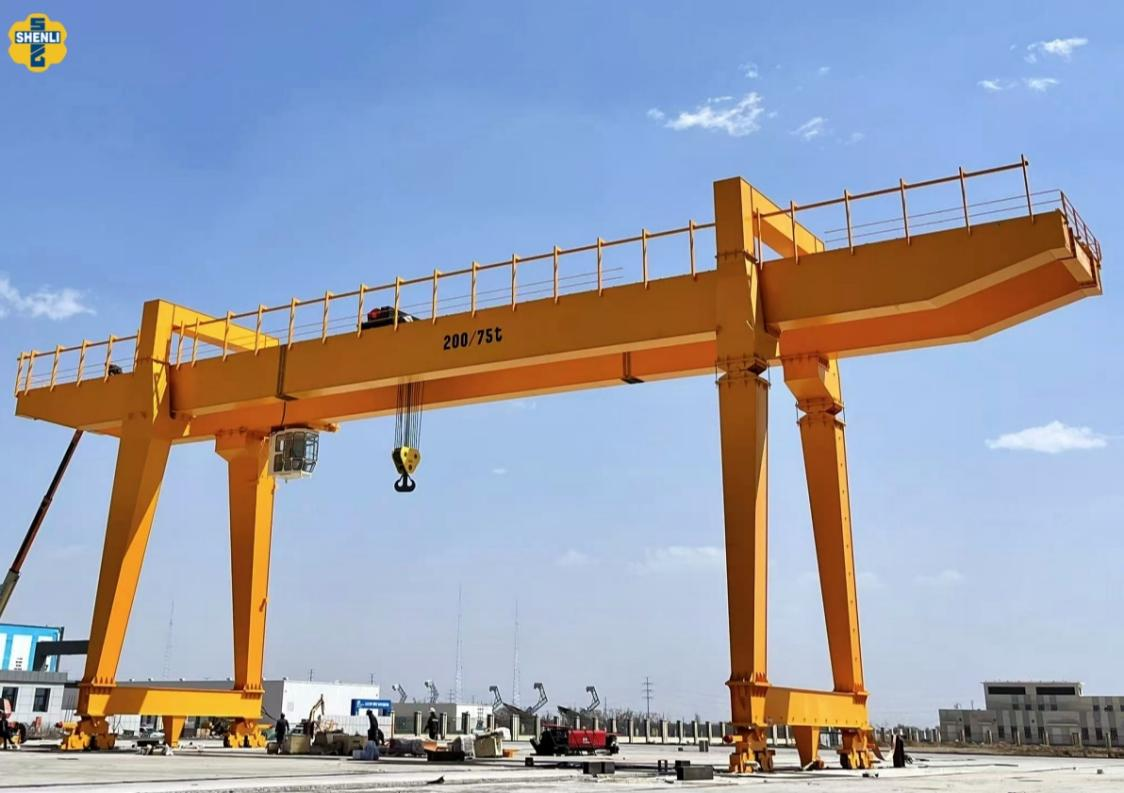
Used vs New Gantry Crane: Total Cost of Ownership Explained
Used vs New Gantry Crane: Which One Has Lower Total Cost of Ownership (TCO)? Introduction When purchasing a
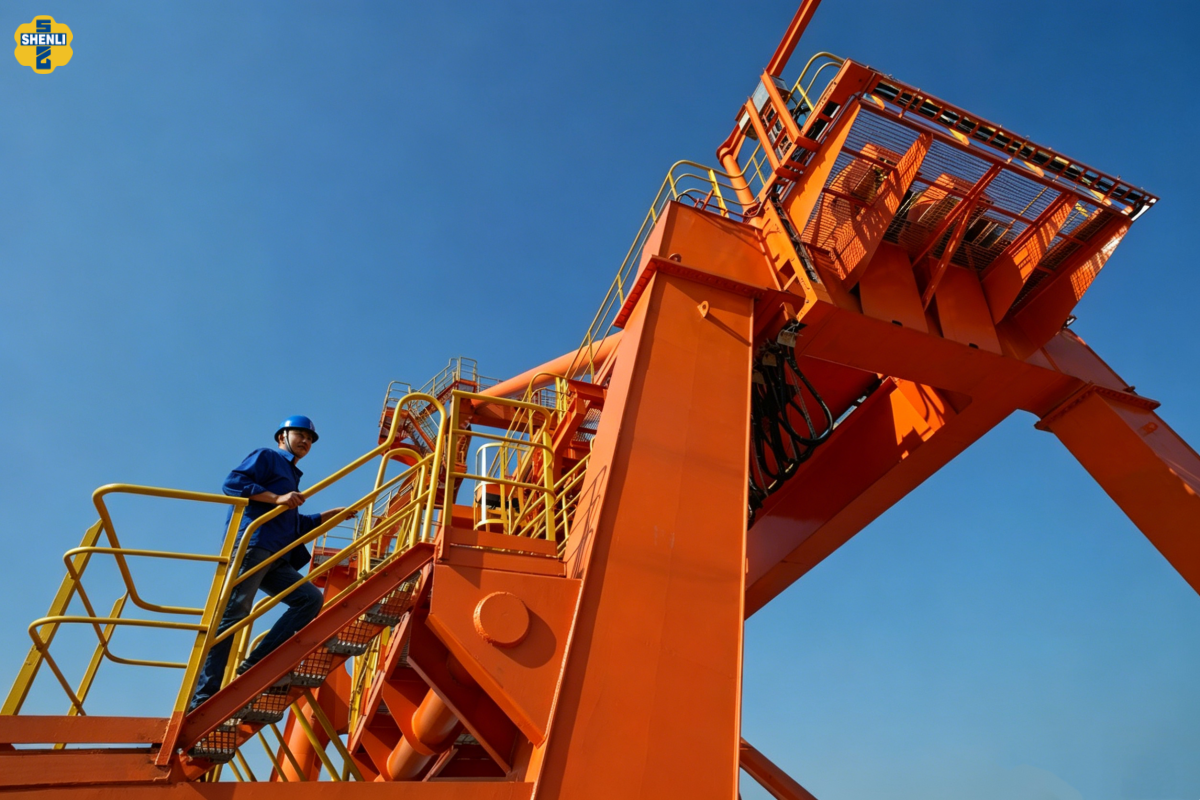
Gantry Crane Predictive Maintenance: How IoT Sensors Reduce Downtime
Gantry Crane Predictive Maintenance: How IoT Sensors Reduce Downtime Why Does Gantry Crane Downtime Cost So Much? Gantry
Contact Us Now
Have questions about our cranes or need help?
Reach out to our friendly team for expert support and guidance.
We are here to help you power your journey towards a greener future !
Address: Crane Industry Park, Xinxiang City Henan Provice
Hot Sales
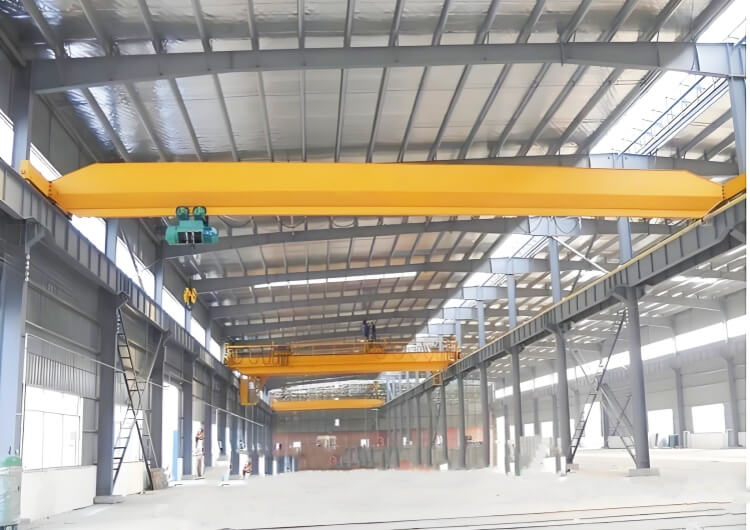
Single girder overhead cranes
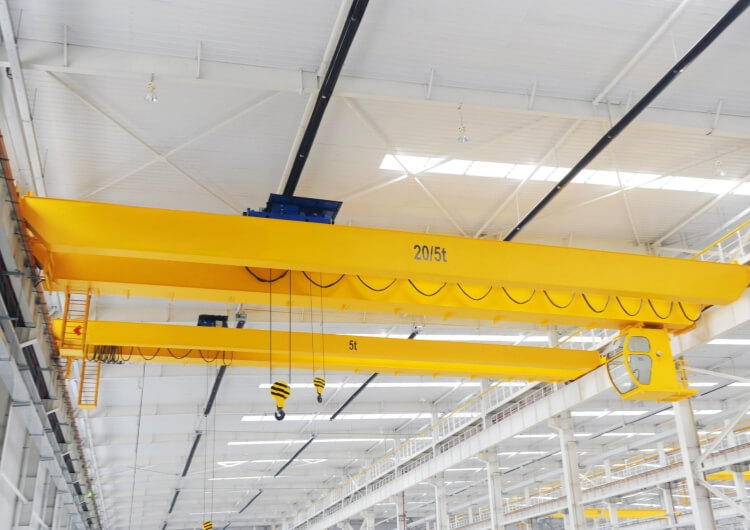
Double girder overhead cranes
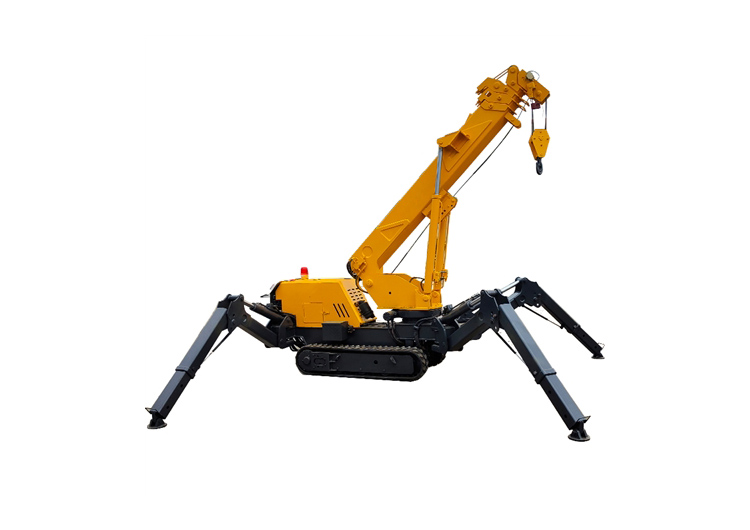
Spider cranes