
Why is the Price Gap So Large? European vs. Traditional Single Girder Overhead Cranes
When sourcing lifting equipment, many project managers ask: “Why is the price of a European-style single girder crane nearly double that of a traditional model?”. While both machines may seem to perform the same task, their design, manufacturing standards, and long-term operational costs exist in completely different dimensions.
Choosing between them is not just about the initial purchase price; it is about choosing between immediate savings and long-term operational value.
1. Core Philosophy: High-End Efficiency vs. Basic Utility
The price disparity is fundamentally a difference in engineering philosophy.
- European Type (FEM/DIN Standard): Designed as an “intelligent high-efficiency machine” focusing on low maintenance and maximum space utilization.
- Traditional Type (GB Standard): Designed for basic lifting following standard mechanical structures. It is a “utility-first” device with limited performance ceilings.
2. Structural Design: Lightweight vs. Heavy Bulk
European Single Girder (The High-End Choice)
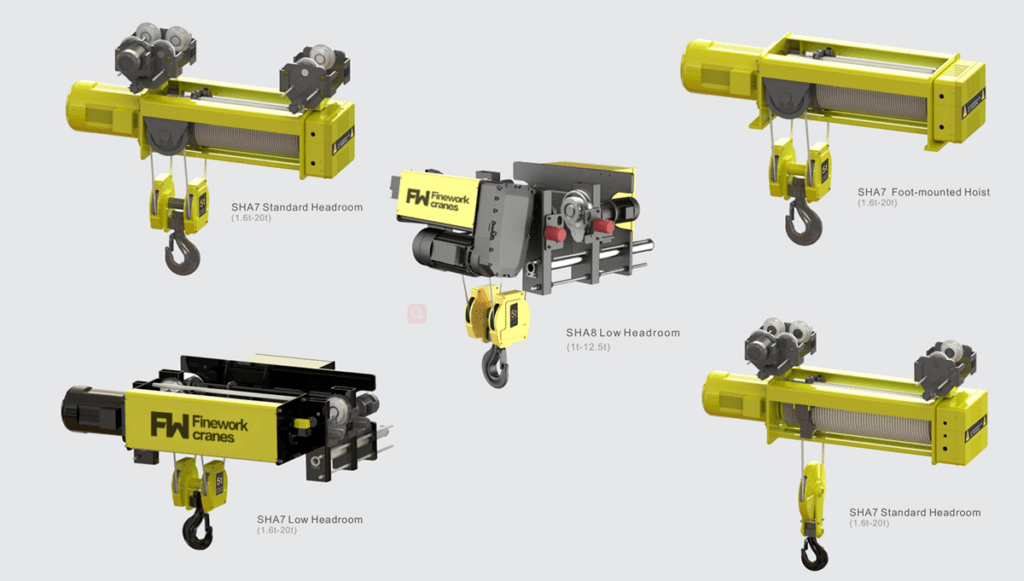
Low Headroom Design: The compact structure sits tight against the main beam, maximizing your effective lifting height.
Optimized Box Girder: Using Finite Element Analysis (FEA), the self-weight is reduced while structural rigidity is increased.
Lower Wheel Pressure: Because the crane is lighter, you can design a more cost-effective factory with lighter pillars and foundations, saving significantly on construction materials.
Traditional Single Girder (The Standard Choice)
High Clearance Requirement: The hoist hangs lower, occupying more vertical space.
Heavy Self-Weight: The bulkier structure puts more stress on your factory rails and foundation.
3. Component Comparison: Where Does the Money Go?
The price difference is most evident in the “brains” and “muscles” of the machine.
| Feature | European Style Crane | Traditional Single Girder |
| Motor | Specialized VFD Motor
| Standard Y-Series Motor
|
| Gearbox | Hard-tooth Three-in-One Drive
| Split-type Reducer
|
| Control System | Variable Frequency Drive (VFD)
| Contactor Start/Stop
|
| Operation | Smooth, Stepless Speed Control
| High Impact & Jerky Movements
|
| Noise Level | Ultra-Quiet (<70dB)
| Relatively High
|
The Result: European cranes offer smoother operation with zero load-swing, protecting both your cargo and the crane’s structure for a longer lifespan.
4. Manufacturing Standards: Precision Matters
European (FEM/DIN): Manufactured with high precision and tight tolerances, specifically designed for high-intensity duty cycles and maximum safety.
Traditional (GB): Built to meet basic national requirements without an emphasis on performance optimization.
5. Total Cost of Ownership (TCO): The "Hidden" Savings
While many buyers focus on the sticker price, the European crane is often the more economical choice by the fifth year of operation.
Energy Savings: Consumes nearly 30% less electricity.
Low Maintenance: The “three-in-one” drives offer thousands of hours of maintenance-free operation.
Reliability: Lower failure rates mean fewer production halts and higher overall efficiency.
6. Expert Recommendation: Which One is Right for You?
Choose European Style if:
You operate high-frequency production lines or automated factories.
You are a foreign-invested enterprise with strict safety protocols.
Your factory has limited ceiling height but requires maximum lift.
Choose Traditional Style if:
You are working with a very strict initial budget.
The crane is for low-frequency use (occasional maintenance).
Precision and space are not critical factors for your workshop.
7. Industry Insight: Why Do Prices Vary Between Suppliers?
Even among legitimate manufacturers, you will find price gaps. This is often due to:
Component Tiering: True European cranes use top-tier global brands. Cheaper versions may use “European-spec” domestic parts that lack the same durability.
Steel Pre-treatment: High-end models undergo S2.5 sandblasting and zinc-rich epoxy coating. Cheaper models skip these steps, leading to rust within 2-3 years.
The “Partial VFD” Shortcut: Some suppliers only use VFD for lifting, while keeping the long-travel motion on basic “start-stop” controls. A premium European crane uses VFD on all axes.
Why Prices Vary Even Among Legitimate Suppliers?
Even among honest manufacturers, price differences exist due to:
-
Component “Tiering”: A true European crane uses premium brands. Lower-priced versions may use domestic “European-spec” components that mimic the performance but lack the same global warranty and durability.
-
Steel Pre-treatment: High-end European cranes undergo S2.5 sandblasting and epoxy zinc-rich painting. Cheaper models skip these steps, leading to rust within 2-3 years.
-
The “VFD” Factor: Some suppliers only provide Variable Frequency Drives (VFD) for the lifting motion, while keeping the long-travel motion as standard “start-stop.” A premium European crane is fully frequency-controlled for all directions.
Expert Tip (Conclusion): > If the price is 30% lower than the market average, you aren’t getting a bargain; you are likely buying a “Traditional Crane in a European Suit.” Always ask for the FEM Calculation Report and the brand list of core electrical components before signing.
Conclusion
The price gap between European and traditional cranes is not just “brand markup”—it is a tangible difference in steel quality, motor intelligence, and structural efficiency. If you value safety and long-term ROI, a European crane is a superior investment.
Need a customized lifting solution? Contact SLKJ Crane Company. Our technical team will provide a professional, international-standard crane solution tailored to your specific workspace, budget, and operational needs.

Expert in Overhead Crane/Gantry Crane/Jib Crane/Crane Parts Solutions
Eileen
With 20+ years of experience in the Crane Overseas Export Industry, helped 10,000+ customers with their pre-sales questions and concerns, if you have any related needs, please feel free to contact me!
Frequently Asked Questions (FAQ) About FEM Overhead Crane
The higher price reflects superior technology and materials. European cranes use frequency conversion (VFD) for all movements, three-in-one integrated drives, and FEM-standard structural designs. This results in 30% lower energy consumption, 20% more lifting height, and a significantly longer service life, making the "cost per year" actually lower than traditional models.
While possible, it is not a "true" European crane. A genuine European overhead crane features a specialized box girder design that is much lighter. Putting a European hoist on a heavy, traditional girder won't reduce the wheel pressure on your building, meaning you miss out on the savings in workshop construction costs.
Check three key areas:
The Drive Unit: Authentic models use "Three-in-One" integrated gearmotors (Motor + Brake + Gearbox).
The Dimensions: True European cranes have a very low "H" dimension (distance from rail to hook).
The Configuration List: Genuine models use international brands like Schneider, ABB, or SEW. If the electrical components are generic, it’s likely a modified unit.
They are ideal for high-precision manufacturing, automated warehouses, and cleanrooms. However, for extremely harsh environments like steel mills (smelting) or heavy-duty foundry work, we recommend customized Metallurgical Cranes designed specifically for high temperatures, regardless of the "style."
It saves money in three ways:
Construction: Lower wheel loads mean cheaper steel structures for your factory.
Maintenance: The modular, maintenance-free design reduces downtime and spare parts costs.
Operation: Smooth VFD starts prevent mechanical impact, doubling the lifespan of the crane’s wheels and rails.
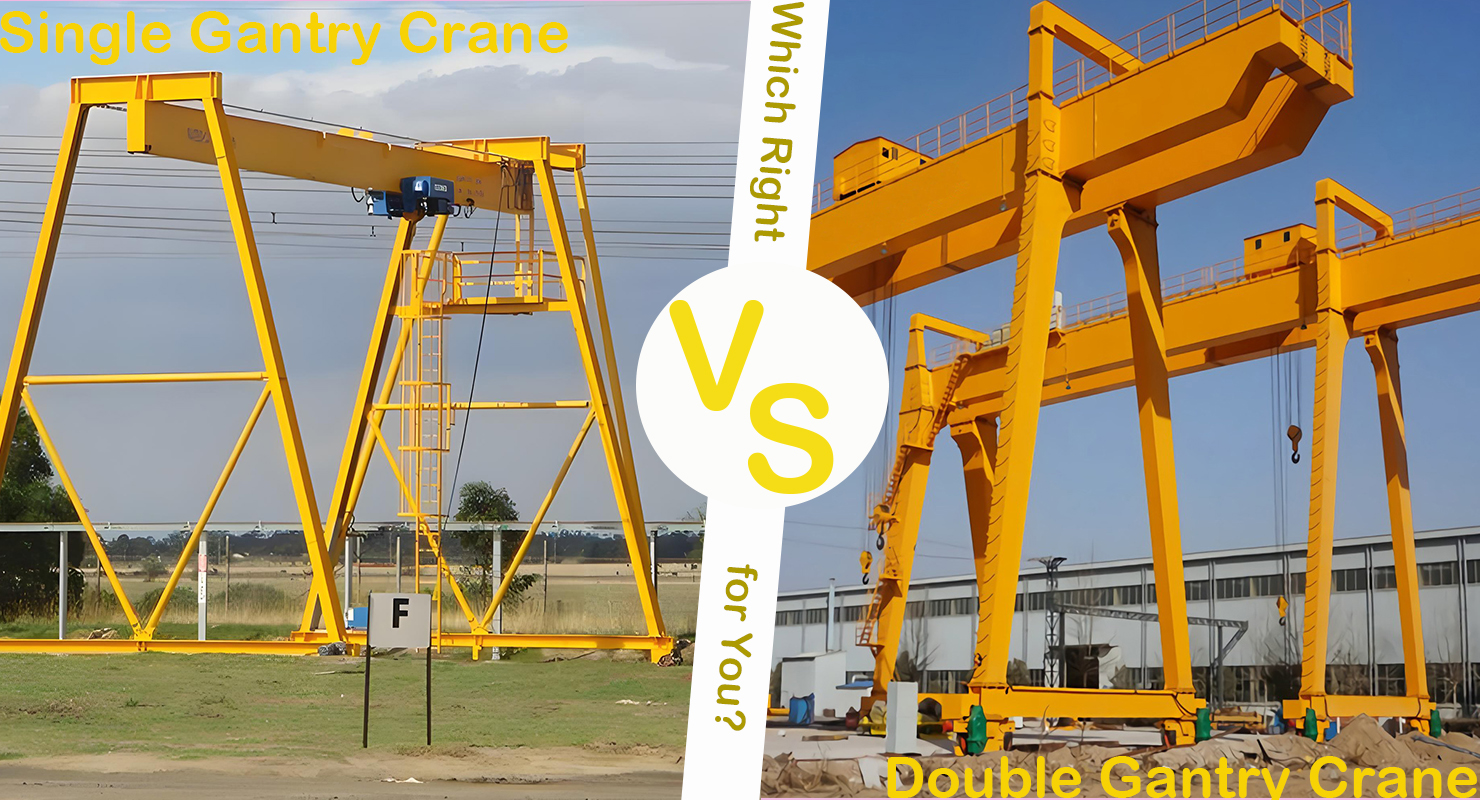
Single Girder vs Double Girder Gantry Crane: 7 Key Differences You Must Know
Single Girder vs Double Girder Gantry Crane: 7 Key Differences You Must Know Introduction When you need to
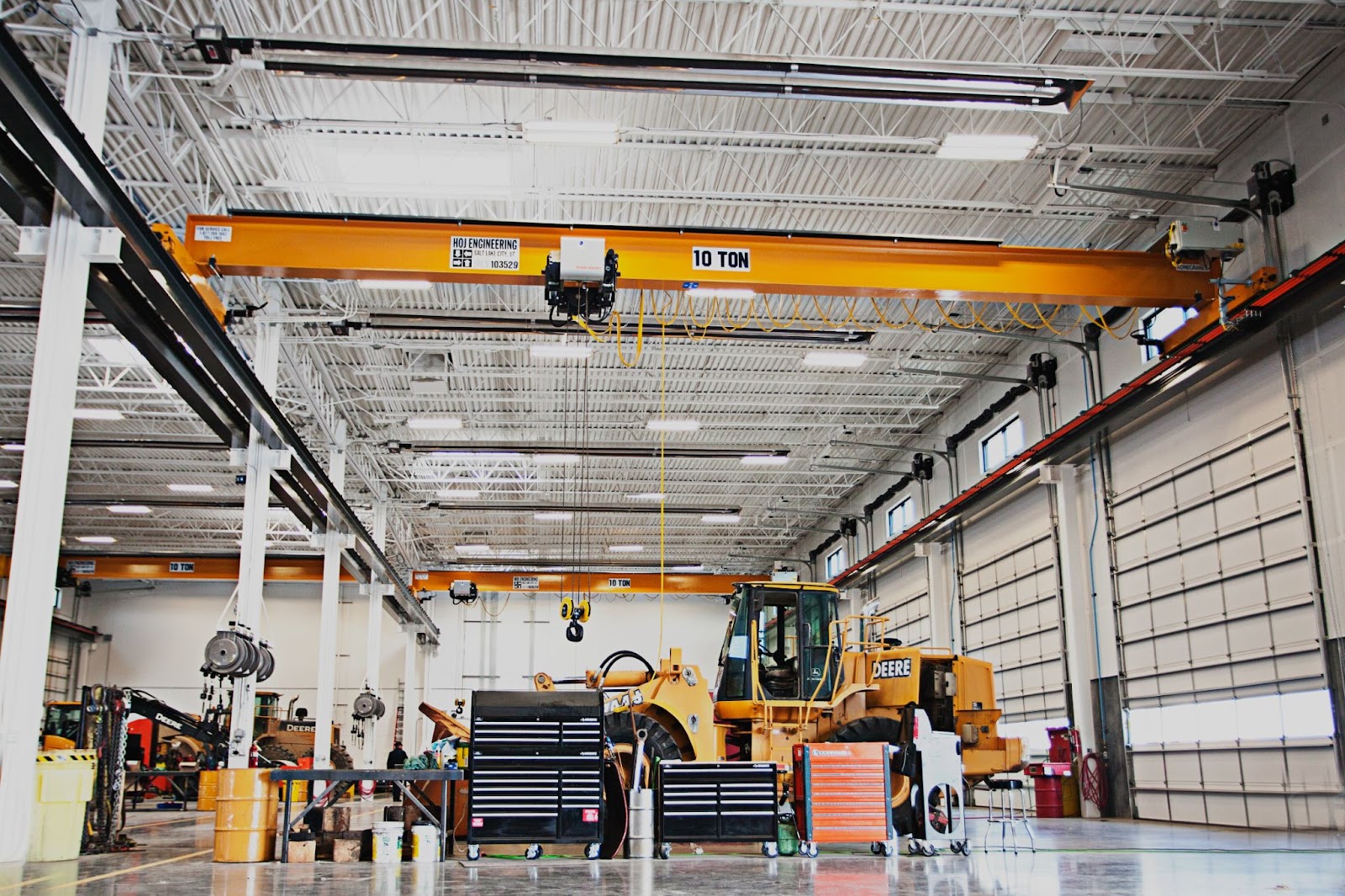
Why is the Price Gap So Large? European vs. Traditional Single Girder Overhead Cranes
Why is the Price Gap So Large? European vs. Traditional Single Girder Overhead Cranes When sourcing lifting equipment,
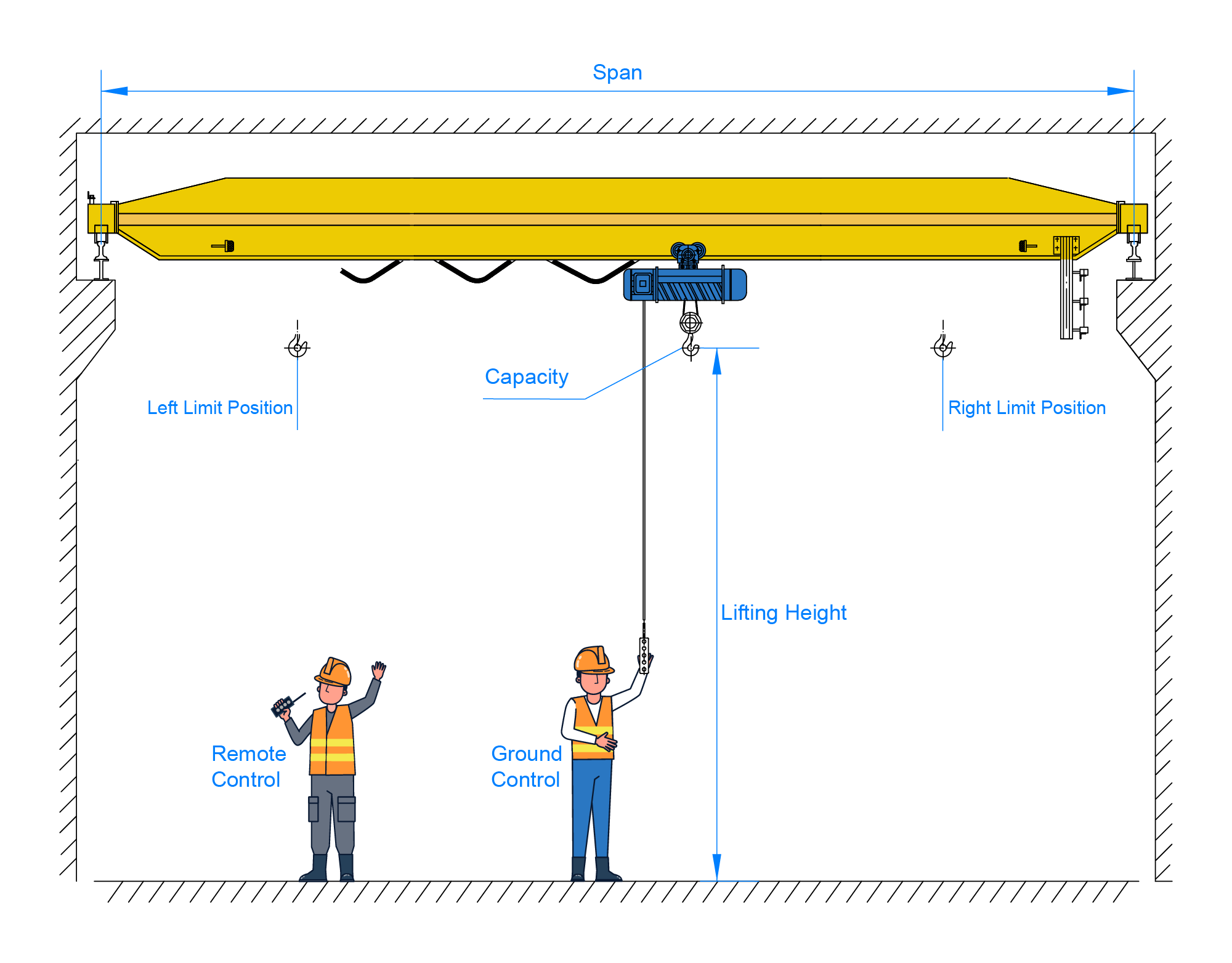
single girder overhead crane installation guide
Single Girder Overhead Crane Installation Guide | Step-by-Step Crane Installation Procedure A single girder overhead crane is widely
How to Select the Right Overhead Crane for Steel Mills
How to Select the Right Overhead Crane for Steel Mills: A Complete Selection Guide In the high-stakes environment
Contact Us Now
Have questions about our cranes or need help?
Reach out to our friendly team for expert support and guidance.
We are here to help you power your journey towards a greener future !
Address: Crane Industry Park, Xinxiang City Henan Provice