
Spider Lift vs Boom Lift: How to Choose the Right Aerial Lift for Your Job
When your team needs to work safely at height, choosing the right aerial lift matters more than most people realize. The wrong machine can mean:
-
Limited access to key work areas
-
Damaged floors or landscaping
-
Wasted rental or purchase budget
-
Higher safety risk for your operators
For many projects, the real decision comes down to two main options: spider lifts (also called compact tracked lifts) and traditional boom lifts (articulating or telescopic).
This guide walks you through the key differences, side-by-side specs, typical applications, and a simple checklist so you can decide whether a spider lift or a boom lift is the safest and most cost-effective choice for your job.
If you need to know about Mini Spider Cranes: Transforming and Lifting in Tight Spaces
Please click:https://www.slkjcrane.com/mini-spider-crane-transforming-lifting-in-tight-spaces/
What Is a Spider Lift (Compact Tracked Lift)?
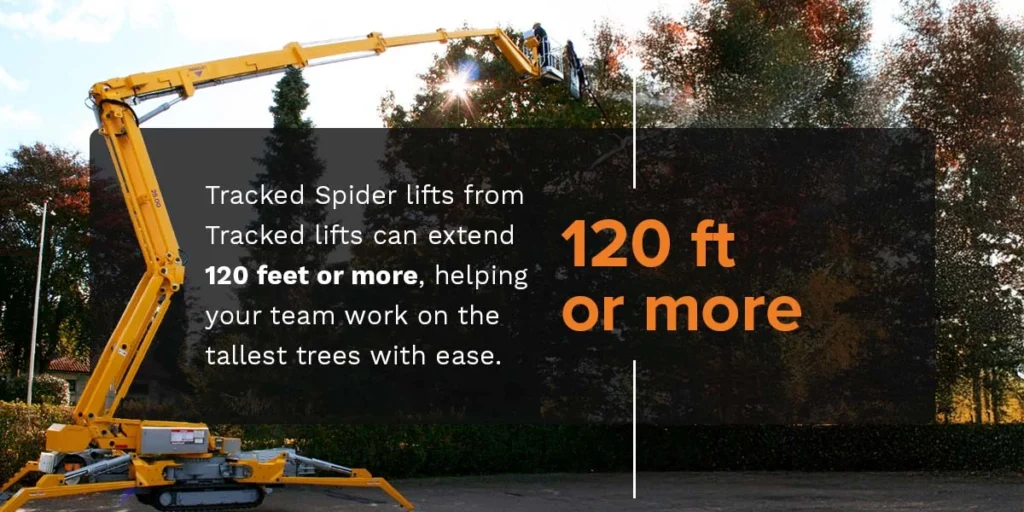
A spider lift is a lightweight, compact aerial work platform mounted on rubber tracks with outriggers that spread like a “spider” for stability. The machine is designed to go where traditional boom lifts cannot, especially:
-
Narrow doorways and corridors
-
Tight courtyards and backyards
-
Delicate or finished floors
-
Slopes, steps and uneven ground
Key Features of Spider Lifts
-
Compact size
Folds down to pass through standard doors or gates, making it ideal for indoor maintenance or confined outdoor spaces. -
Rubber tracks
Distribute the load to reduce ground pressure and improve traction on grass, tiles, ramps and other sensitive surfaces. -
Outriggers with automatic leveling
Stabilizers can be deployed in different patterns to cope with uneven or sloping ground while keeping the platform level. -
Multiple power options
Available in diesel, electric (battery or mains), or hybrid, allowing quiet and emission-reduced operation indoors.
Typical Working Range & Capacity (reference ranges)
Exact specs depend on the model, but typical spider lifts offer:
-
Working height: approx. 15–36 m (50–120 ft)
-
Horizontal outreach: approx. 7–18 m (23–60 ft)
-
Platform capacity: approx. 200–300 kg (440–660 lb)
-
Machine weight: often 3,000–9,000 kg (6,600–19,800 lb), lighter than comparable boom lifts
You can adjust these numbers to match your real models.
Common Applications for Spider Lifts
Spider lifts are especially popular for:
-
Shopping mall atrium and lobby maintenance
-
Stadium, theater and museum lighting work
-
Glass, façade and signage maintenance in tight city locations
-
Tree pruning and landscaping around villas, hotels and parks
-
Indoor facility work in airports, schools, hospitals and factories
-
Church, cathedral and heritage building maintenance where floors are sensitive
If your main access challenge is narrow, fragile or complex ground conditions, a spider lift is usually the starting point for discussion.
What Is a Traditional Boom Lift?
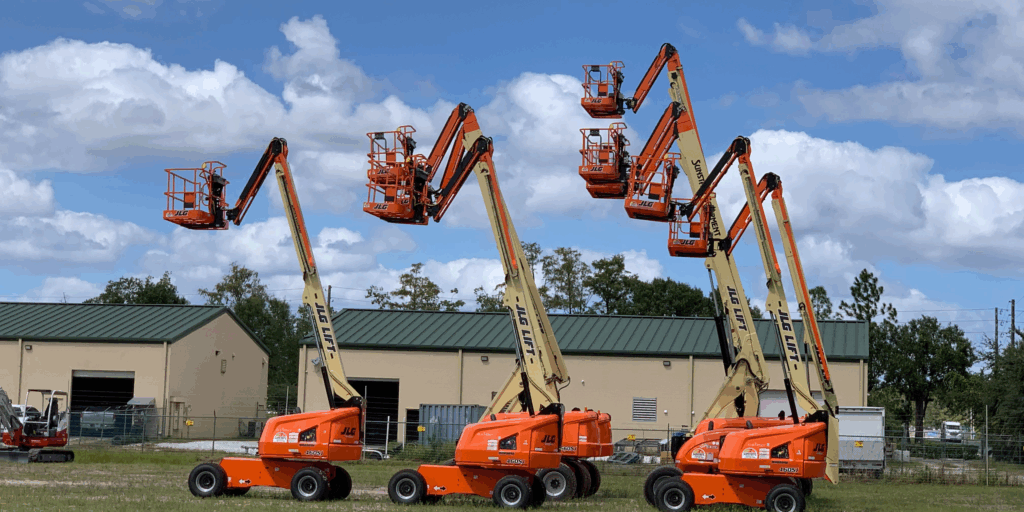
A boom lift is a self-propelled aerial work platform mounted on wheels. The hydraulic boom raises, extends and rotates to position workers and tools at height. These machines are the preferred choice for large outdoor sites and jobs that require maximum working height and outreach.
There are two main types of boom lifts:
Articulating Boom Lifts (Knuckle Booms)
Articulating boom lifts have multiple hinged sections that “bend” around obstacles.
Typical strengths:
-
Excellent for working over and around pipes, roofs, steel structures and machinery
-
Ideal in congested industrial plants, refineries, warehouses and urban construction sites
-
Good combination of vertical and horizontal reach
Typical uses:
-
Maintenance work in factories and processing plants
-
Street lighting and utility line inspection
-
Building façade repair and window cleaning around obstacles
-
Installation of ducting, sprinklers and electrical systems inside buildings
Telescopic Boom Lifts (Straight Booms)
Telescopic boom lifts use a straight boom that extends and retracts like a telescope.
Typical strengths:
-
Maximum horizontal reach and working height in open areas
-
Fast lifting to full height, ideal for high-rise construction or large infrastructure sites
-
Very stable platform for heavy tools and materials
Typical uses:
-
High-rise building construction and façade work
-
Bridge, viaduct and stadium maintenance
-
Shipyard and port work
-
Large outdoor industrial plants and power stations
If your priority is height, outreach and load capacity on open sites, a traditional boom lift is usually the first option.
Spider Lift vs Boom Lift: Side-by-Side Comparison
Use this quick table as a starting point when choosing between a spider lift and a boom lift:
| Feature / Factor | Spider Lift (Compact Tracked) | Boom Lift (Articulating / Telescopic) |
|---|---|---|
| Typical working height | Medium (≈ 5– 20m) | Medium to very high (≈ 12–30+ m, some models higher) |
| Horizontal outreach | Moderate | Moderate to very long (especially telescopic booms) |
| Platform capacity | Light to medium (≈ 200–300 kg) | Medium to high (often 230–450+ kg) |
| Machine weight | Lighter, lower ground pressure | Heavier, higher ground pressure |
| Ground conditions | Excels on slopes, grass, fragile floors, steps | Best on firm, open, prepared ground |
| Access to work area | Excellent in tight, narrow or indoor spaces | Best where there is wide access and room to maneuver |
| Indoor suitability | Very good (electric or hybrid models) | Limited; mainly small electric booms in certain environments |
| Setup time | Needs outrigger setup, but simple with auto-leveling | Faster to reposition and drive between work areas |
| Transport & storage | Smaller footprint, easier to store | Larger, often needs more transport planning |
| Typical applications | Maintenance, cleaning, inspections in tight/indoor areas | High-rise construction, large outdoor maintenance |
| Rental / purchase cost | Often lower for smaller units, competitive for specialty | Higher for large high-reach models |
When a Spider Lift Is the Better Choice
Choose a spider lift when access and ground conditions are your main constraints.
1. Narrow Access and Confined Spaces
-
Work area is inside a building, atrium or courtyard with limited access
-
Access route includes doors, corridors, ramps or tight gates
-
There is little room to maneuver a large wheeled boom lift
Example:
Maintenance of lighting and signage in a shopping mall atrium where the machine needs to pass through standard doors, ride elevators or move between floors.
2. Delicate or Sensitive Surfaces
-
Marble, tile, epoxy or wooden floors that are easily damaged
-
Paving stones, garden paths or landscaped lawns
-
Heritage buildings with strict protection requirements
Rubber tracks and low ground pressure help reduce damage risk. Outriggers allow you to spread the load further and add protective mats where required.
3. Mixed Indoor/Outdoor Work
-
The same machine must work both outside and inside the building
-
Noise and exhaust emissions must be kept low indoors
-
Power supply or charging is available nearby
Electric or hybrid spider lifts can run quietly indoors and then switch to engine power outdoors.
4. Complex Ground and Level Differences
-
Steps, ramps, uneven floors and small level changes
-
Limited options to prepare or rebuild the ground
Outriggers can adjust to different heights, allowing safe work on uneven surfaces, provided the manufacturer’s limits are respected.
When a Boom Lift Is the Better Choice
Choose a traditional boom lift when height, outreach and capacity are the main drivers.
1. Very High Working Heights
-
Jobs above the typical range of spider lifts
-
High-rise building construction and façade maintenance
-
Power plant chimneys, stadium roofs or bridge structures
Telescopic booms are designed to reach high targets efficiently on open ground.
2. Heavy Loads and Large Tools
-
Platforms must carry multiple workers plus heavy tools or materials
-
Tasks such as installing large glass panels, façade cladding or steel components
Boom lifts usually offer higher rated capacity than spider lifts of similar height.
3. Open, Well-Prepared Job Sites
-
Large construction sites, industrial plants, ports or yards
-
Plenty of room to drive, turn and position the machine
-
Ground can be compacted or prepared in advance
On such sites, the speed and maneuverability of a self-propelled boom lift often outweigh the benefits of a spider lift.
4. Frequent Repositioning Over Long Distances
If the platform must be driven long distances between different work areas during the day, a boom lift is usually far more efficient than repeatedly setting up and retracting outriggers on a spider lift.
Step-by-Step Checklist: How to Choose Between a Spider Lift and a Boom Lift
Use this simple checklist to narrow down your choice:
-
Define required working height and outreach
-
Maximum vertical height you must reach
-
Maximum horizontal outreach needed to work over obstacles
-
-
Check access and space constraints
-
Minimum door width, gate width and turning radius along the access route
-
Available space at the work location for outriggers or boom rotation
-
-
Evaluate ground conditions
-
Firm, compacted ground vs. soft soil, grass, tiles or delicate floors
-
Slopes, ramps, steps and changes in level
-
-
Estimate platform load
-
Number of operators
-
Weight of tools, materials and components
-
Need for heavy glass, cladding or equipment on the platform
-
-
Consider indoor vs outdoor and power options
-
Indoor work requires low noise and low emissions
-
Check availability of power supply for charging or plug-in operation
-
-
Review budget: rental vs ownership
-
Short-term, one-off projects usually favor rental
-
Frequent or long-term use may justify purchase or long-term lease
-
-
Confirm safety, standards and training
-
Ensure the equipment is compliant with local standards and regulations
-
Arrange operator training and regular inspections
-
By the end of this checklist, the answer usually becomes clear:
-
Spider lift when access and ground are complex but heights and loads are moderate.
-
Boom lift when heights and loads are demanding and the site is open and well prepared.
Safety, Training and Maintenance Considerations
Regardless of which type of aerial lift you choose, safety must come first.
-
Qualified operators only
Operators should be trained and certified for the specific type of lift they use, including emergency lowering procedures. -
Pre-use checks and regular inspections
Daily checks of controls, hydraulic systems, outriggers, emergency stop, alarms and guardrails.
Schedule periodic inspections according to manufacturer recommendations and local regulations. -
Correct setup
Never exceed rated capacity.
Always use outriggers and mats as required by the manufacturer.
Avoid working on excessive slopes or unstable ground. -
Weather and environmental limits
Respect wind limits and avoid operation in severe weather.
Take extra care near power lines, traffic and public areas.
A well-chosen and properly maintained aerial lift reduces risk for your people and improves productivity on every job.
Our Recommendation and How We Can Help
-
If your project involves indoor work, narrow access, fragile floors or complex ground, a spider lift will often deliver the safest and most efficient solution.
-
If you need extreme height, long outreach or high platform capacity on an open site, a traditional boom lift is usually the better option.
If you’re not sure which machine is best for your next project, our team can help you:
-
Review your drawings, photos and site conditions
-
Recommend the most suitable spider lift or boom lift models
-
Provide rental, sales, training and maintenance options tailored to your budget

Expert in Overhead Crane/Gantry Crane/Jib Crane/Crane Parts Solutions
Eileen Hu
With 20+ years of experience in the Crane Overseas Export Industry, helped 10,000+ customers with their pre-sales questions and concerns, if you have any related needs, please feel free to contact me!
FAQ: Spider Lifts vs Boom Lifts
A spider lift is a compact tracked machine with outriggers designed for tight spaces and sensitive ground. A boom lift is a larger wheeled machine designed for maximum height, outreach and load capacity on open sites.
Spider lifts, especially electric or hybrid models, are usually better for indoor work because they can pass through doors, run quietly and reduce floor damage with low ground pressure.
Traditional boom lifts, especially telescopic booms, are better for very high outdoor jobs where there is enough space for the machine to maneuver.
Yes, spider lifts are designed to work on moderate slopes and uneven ground using their outriggers and automatic leveling systems, as long as they are used within the manufacturer’s limits.
Larger boom lifts are generally more expensive to rent or buy than smaller spider lifts, but the total cost depends on working height, outreach, capacity, rental duration and local market conditions.
Start from your required working height, outreach, access width, ground condition and platform load. If you still aren’t sure, share your job details with an aerial lift specialist and ask for a professional recommendation.
How to Select the Right Overhead Crane for Steel Mills
How to Select the Right Overhead Crane for Steel Mills: A Complete Selection Guide In the high-stakes environment

Overhead Crane Safety Devices
Overhead Crane Safety Devices: 7 Essential Protection Systems for Overhead and Gantry Cranes Introduction Overhead cranes and gantry
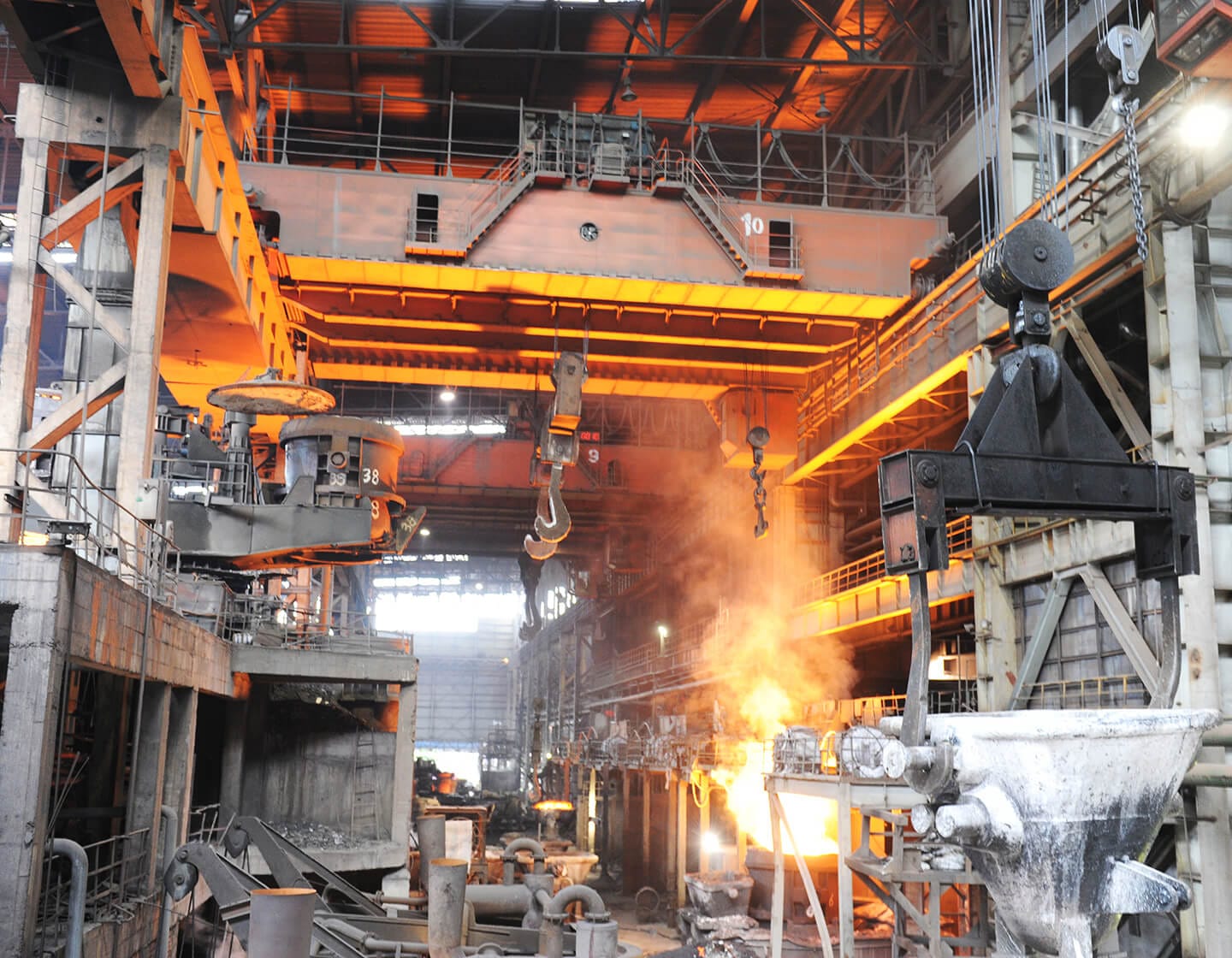
Cranes as the Backbone of Modern Steel Plants
Cranes as the Backbone of Modern Steel Plants How the Right Steel Plant Crane Solutions Drive Efficiency, Safety,
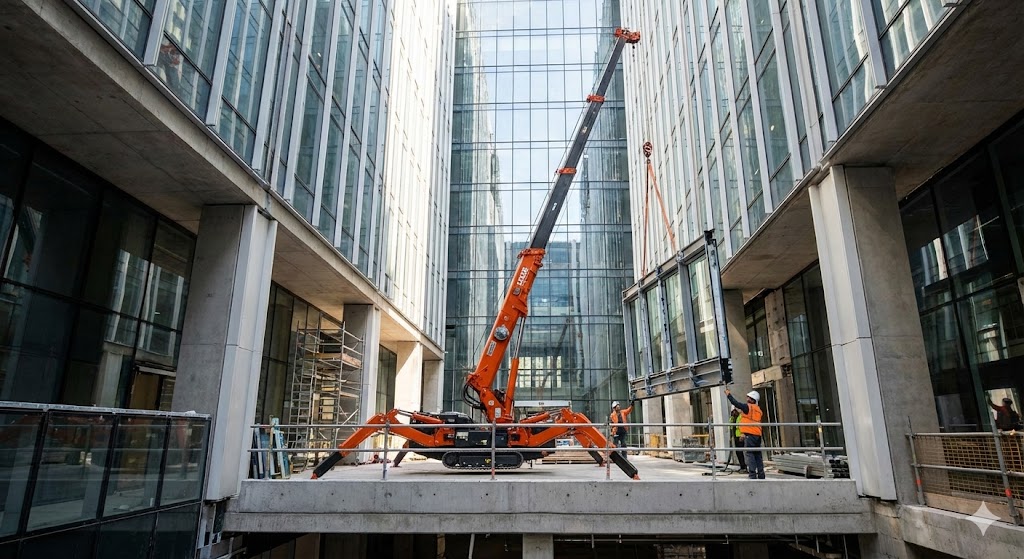
Where Spider Cranes Really Shine: 7 Typical Applications & Real Project Scenarios
Where Spider Cranes Really Shine: 7 Typical Applications & Real Project Scenarios When people ask me about spider
Contact Us Now
Have questions about our cranes or need help?
Reach out to our friendly team for expert support and guidance.
We are here to help you power your journey towards a greener future !
Address: Crane Industry Park, Xinxiang City Henan Provice