
Overhead Crane Systems for Steel Mills: Engineering Guide, Selection Matrix, and Lifecycle ROI
Executive Summary
Steel plants run the most punishing duty cycles in industry. From scrap charging and molten steel handling to coil logistics and downstream processing, overhead crane systems must deliver A7–A8 duty, redundant safety, heat protection, precise positioning, and predictable lifecycle cost (LCC). This guide goes beyond definitions to provide selection criteria, parameter ranges, environmental engineering measures, automation architectures, maintenance schedules, and ROI models you can use in specifications and sourcing.
1) End to End Steel Plant Workflow & Matching Crane Types
| Process Stage | Typical Loads | Environmental Risks | Recommended Crane Types | Notes |
|---|---|---|---|---|
| Scrap yard → Furnace charging | Scrap baskets 5–40t, bulk scrap | Dust, impact, irregular COG | Charging crane (grab/bucket), Electromagnetic crane, Grab crane (4-rope) | Fast cycles, strong structures, anti-sway, accurate drop. |
| EAF/BOF → Ladle transit | 100–550t molten steel | 1,000°C radiant heat, splash | Ladle crane / Casting crane (dual hooks) | Redundant brakes/limits, heat shielding, operator cabin protection. |
| Tundish/CCM service | 10–40t assemblies | Heat, humidity, scale | Maintenance/auxiliary bridge crane | Slow precision, fine positioning. |
| Rolling mill logistics | Slabs, billets, blooms | Thermal gradients, scale | Slab/billet handling crane (magnet/beam) | Rugged magnet power backup, shock mitigating. |
| Coil yard / Service center | 15–50t coils | Surface protection | Coil handling crane (C-hook/coil tong) | Clearance check, clamp force control, anti-skid. |
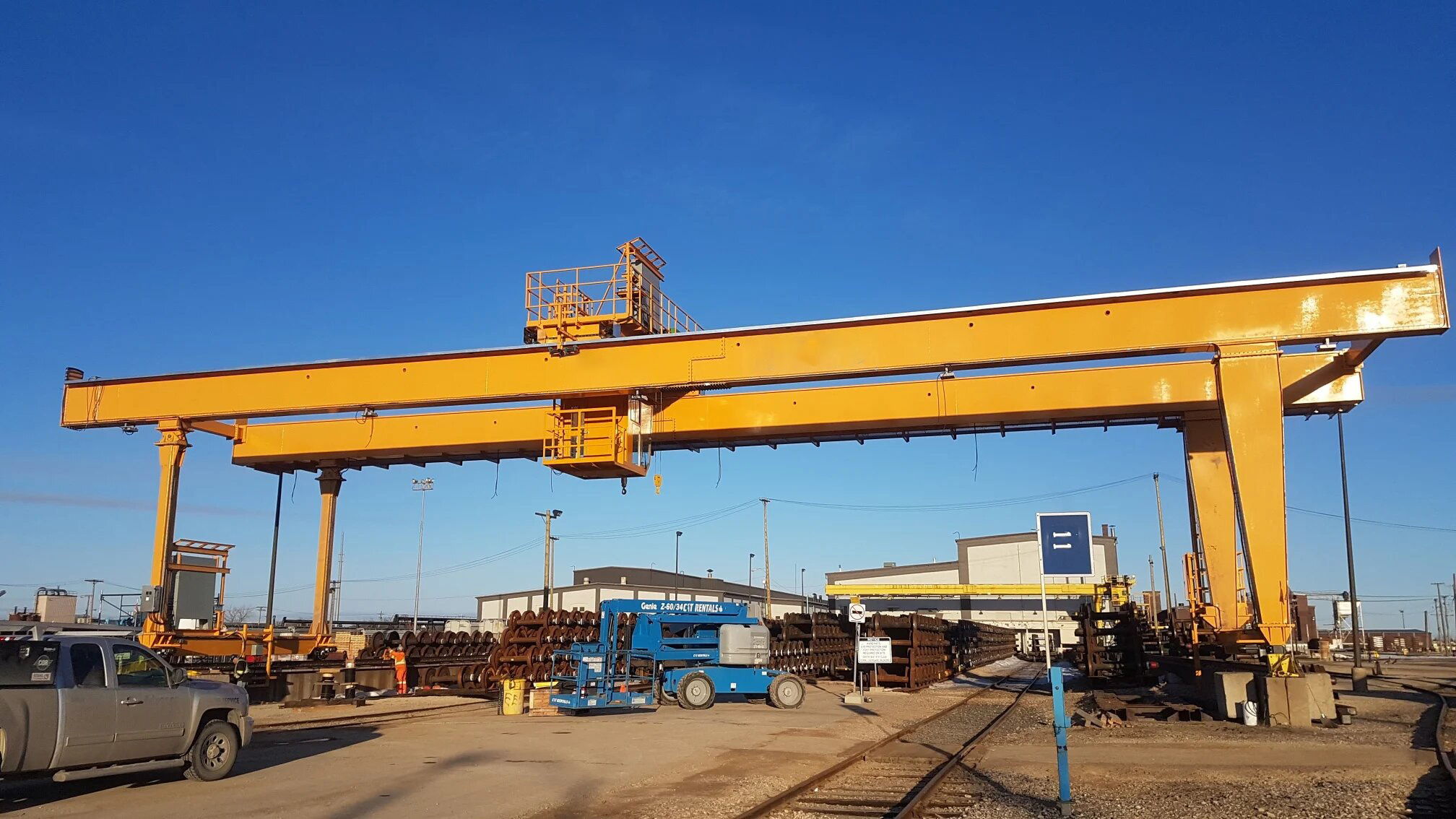
| Outdoor stock & ports | 20–100t long products | Wind, rain, UV | Gantry crane (MG/RMG) | Wind-proofing, storm anchors, rail sweeps. |
2) Typical Parameters & Engineering Options
Global ranges (customizable per bay geometry):
Lifting capacity: 5–550 t (ladle cranes commonly 250–320 t; coil cranes 15–50 t)
Span: 10–40 m (bridge); gantry 20–50 m
Lifting height: 10–35 m (ladle zone often >25 m for safety envelope)
Duty class: A6–A8 (FEM/ISO)
Speeds (VFD): lift 1–12 m/min; trolley 10–40 m/min; bridge 60–120 m/min
Protection: heat shields, heat-resistant cable routing, redundant brakes, dual limits, load cells, overload prevention (OLP), cabin HVAC with laminated heat glass
Application-focused options:
Ladle cranes: dual main/aux hooks, dual brakes on each drum, emergency lowering, dual power feeds, overspeed monitoring, hook thermal shields, splash guards, safety PLC (SIL2/3 design pattern).
Charging cranes: high-inertia tolerant drives, robust grab mechanisms, anti-sway algorithms, collision avoidance, reinforced end trucks.
Coil cranes: C-hook with chamfer guard, tong pressure control, coil diameter sensing, soft-start stop to prevent telescoping damage.
Electromagnetic cranes: UPS/battery for magnet hold (≥15–30 min), magnet temperature monitoring, magnet drop interlocks.
Gantry cranes: wind-speed sensor interlocks, rail clamps + storm pins, skew control, wheel load equalization.
3) Selection Matrix (Lite)
Use this quick mapping when drafting specs:
Molten steel? → Ladle crane, A8, dual brakes/limits, heat protection, SIL-rated safety functions.
High-volume scrap? → Charging or 4-rope grab crane, high acceleration, duty A7–A8, anti-sway + overload monitoring.
Premium coils? → Coil crane with C-hook/tong + surface protection logic, data logging for traceability.
Outdoor yard / long products? → Gantry with wind interlocks, storm anchors, skew control, corrosion coating C3–C5.
4) Environmental Engineering & Safety Design
Thermal strategy:
Insulate hoist motors/gearboxes; heat-reflective shrouds; cable trays away from heat plumes; high-temp bearings/grease.
Cabin isolation: ceramic/laminated glass, positive-pressure HVAC, dust filtration MERV 13+.
Dust & scale mitigation:
- IP55/65 enclosures where needed; sealed bearing housings; encoder covers; purge-air on cabinets in heavy dust zones.
Shock & fatigue:
- FEM/DIN structural design with fatigue classes; wheel/rail hardness pairing; buffers with energy absorption; smart torque limits.
Functional safety:
- Dual independent end stops + limit switches; load pin or sheave load cells (continuous monitoring); overspeed sensing; safety PLC with segregated circuits; zoning & collision avoidance (laser/LiDAR).
5) Automation & Digital Architecture
Reference stack:
Sensors: load cells, rope length encoders, IMU for sway, temperature probes, wind anemometer (gantry).
Controls: VFD on hoist/trolley/bridge; PLC + Safety PLC; SIL-rated E-stop chain; interlocks for magnet/tilt.
Positioning: laser rangefinders, RFID tags for bay zoning, target recognition for baskets/ladles/coils.
HMI: cabin console + remote pendant; status dashboards; recipe-based moves (semi-auto).
MES/SCADA: job queue integration (coil IDs, bay allocations), traceability logs, quality events.
Analytics: edge + cloud gateway; cycle counting; brake torque drift; rope-wear algorithms; predictive maintenance (alerts on trend deviations).
Benefits measured at scale: 10–20% energy savings (regenerative braking + optimized profiles), 15–30% fewer unplanned stoppages (condition monitoring), improved safety KPIs with geofenced no-go zones and auto-slowdown.
6) Maintenance Strategy (30-Year Service Life Target)
Daily/Shift: visual checks (hooks, ropes, drums, sheaves), brake function tests, limit switches, magnet current/voltage logs.
Weekly: rope broken-wire counts per ISO 4309 guidance, VFD alarm log review, lubrication top-up.
Monthly: brake air-gap measurement, wheel flange wear, alignment check, encoder calibration.
Quarterly: oil sampling (gearbox), thermography for cabinets/motors, cabin HVAC filters, load cell zero/span validation.
Annually: NDT on critical welds, full structural audit, rail straightness survey, safety PLC proof tests, load test (static 125% / dynamic 110% typical—confirm local code).
Rope replacement triggers: cumulative broken wires per lay length, localized clusters, diameter reduction beyond threshold, corrosion pitting; maintain rope history per hoist.
7) Cost & Lifecycle Economics (LCC)
Capex: premium ladle cranes command higher initial cost (redundancies, safety, heat design).
Opex drivers: energy, ropes/brakes, wheels/rails, unplanned downtime, periodic overhauls.
Payback levers:
Regenerative drives: 10–20% energy reduction.
Predictive maintenance: 15–30% downtime reduction.
Automation (semi-auto moves, anti-sway): throughput +5–12%; scrap damage down 20–40% (coil surface, product drops).
Illustrative model (320 t ladle crane, 6,000 h/year):
Energy bill baseline: $480k/year → with regen/VFD optimization: ~$400k → $80k/year saved.
Downtime cost baseline: $1.2M/year → −20% via PdM → $240k/year saved.
Net annual benefit: ~$320k; if digital/automation premium is $1.0–1.5M, payback ~3–5 years (indicative).
8) Compliance & Standards (specify in RFQ)
Design/Duty: FEM, ISO 4301/4309, EN 15011, DIN; (or CMAA 70/74 where applicable).
Safety: IEC 62061/ISO 13849 for SIL/PL targets; electrical IEC 60204-32 (cranes); local OH&S.
Welding: ISO 3834; WPS/PQR records.
Testing: Factory Acceptance Test (FAT), Site Acceptance Test (SAT), static/dynamic load tests with certified instruments.
Docs: material certificates, gearbox test reports, VFD parameter sets, wiring diagrams, spares lists.
9) Two Deep-Dive Mini Case Studies
A. Ladle Crane Modernization (Asia, 320 t)
Scope: dual-drive redundancy, safety PLC, laser bay zoning, regen drives, condition monitoring.
Outcomes (12 months): downtime −22%, energy −17%, safety incidents 0, audit passed to revised corporate standard.
B. Coil Yard Automation (Service Center, 35 t)
Scope: C-hook handling + barcode/RFID coil ID; semi-auto pick/place; soft-clamp logic; MES link.
Outcomes: throughput +11%, coil surface claims −37%, operator count per shift −1 FTE reallocated to QA.
10) RFQ/Specification Checklist (Copy-Paste Ready)
Duty class (A7/A8), rated loads (main/aux), required cycles/hour, bay layout drawings, hook heights, approach dimensions.
Environment: max radiant/ambient temps, dust class, outdoor wind zone, corrosion category (C3–C5).
Safety: dual brakes per drum, dual limits, OLP, emergency lowering, UPS for magnets, safety PLC targets.
Controls: VFD on all motions, anti-sway, positioning (laser/LiDAR/RFID), zoning, collision avoidance, remote operation scope.
Digital: data tags to MES/SCADA, historian, dashboards, alarm taxonomy, PdM sensors (what to monitor, threshold philosophy).
Testing & docs: FAT/SAT scope, load test plan, NDT scope, manuals, spares (2–3 years), training.
Warranty & service response SLAs, remote support, spare rope/ brake lining policy.
Conclusion
Planning a new meltshop or upgrading a legacy bay?
Our engineering team maps your load spectrum, duty class, safety targets, and digital roadmap, then delivers a validated A7–A8 crane design with ROI model, FAT/SAT plan, and service SLA.
Send your bay drawings and duty cycles today to receive a no-obligation feasibility package within days.
Conclusion – Ensure Reliable Operation with SLKJCrane

Expert in Overhead Crane/Gantry Crane/Jib Crane/Crane Parts Solutions
Eileen Hu
With 20+ years of experience in the Crane Overseas Export Industry, helped 10,000+ customers with their pre-sales questions and concerns, if you have any related needs, please feel free to contact me!
Frequently Asked Questions (FAQ)
Not always. Use A8 for ladle/charging bays and any motion with extreme cycling and risk; A6–A7 may suffice for maintenance/auxiliary bays. Base it on load spectrum and cycle count.
Specify modular attachments (C-hook + tong) and ensure the VFD sizing and structural margins tolerate larger OD/width. Add software profiles for different coil SKUs.
Require UPS hold-time test certificates, magnet thermal derating curves, and interlocks preventing motion release on low magnet current.
Yes in coil/service centers and some charging applications; for ladle handling most plants choose semi-automatic with strict zoning and operator authorization.
How to Select the Right Overhead Crane for Steel Mills
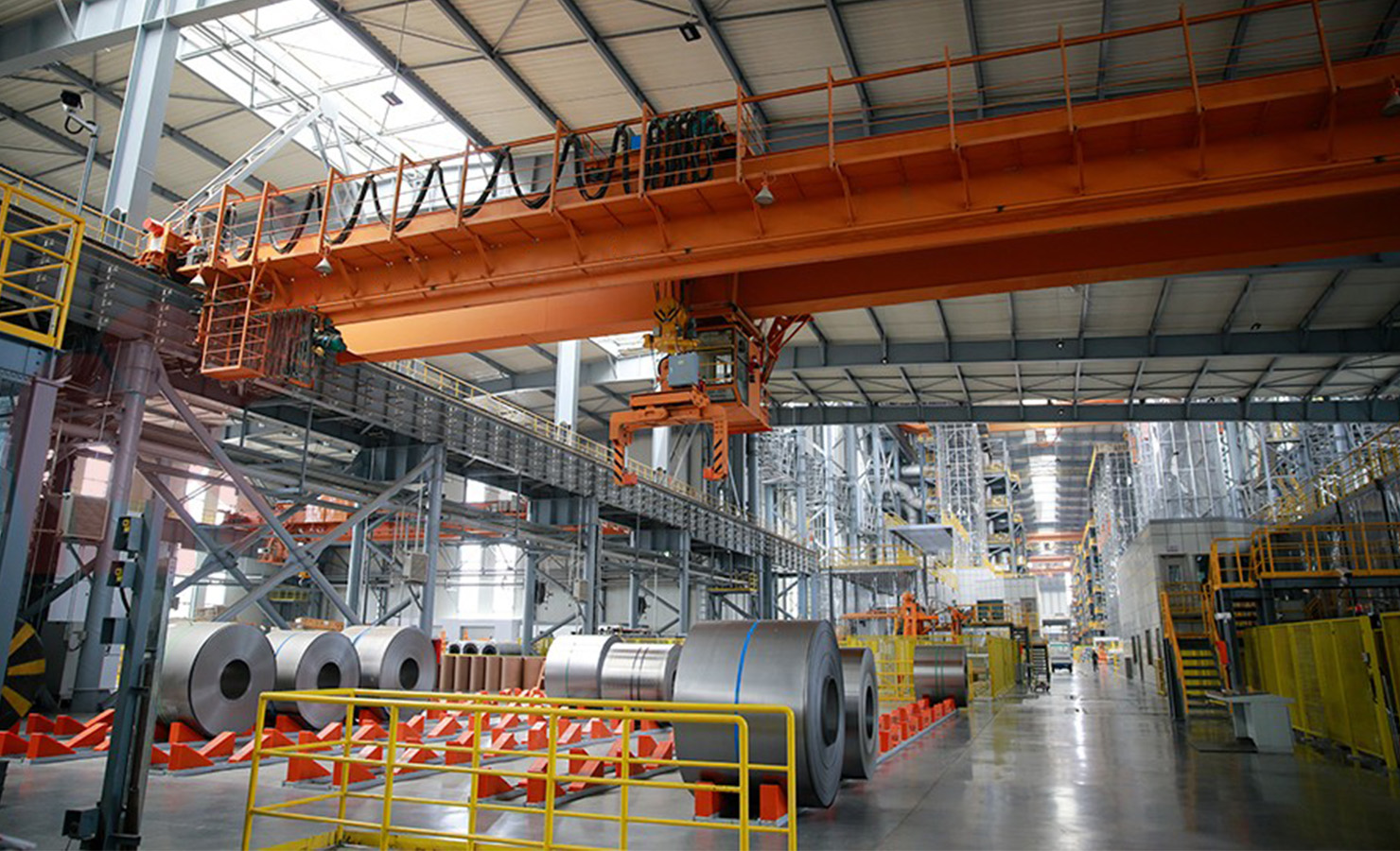
How to Select the Right Overhead Crane for Steel Mills: A Complete Selection Guide In the high-stakes environment

Overhead Crane Safety Devices
Overhead Crane Safety Devices: 7 Essential Protection Systems for Overhead and Gantry Cranes Introduction Overhead cranes and gantry
Cranes as the Backbone of Modern Steel Plants
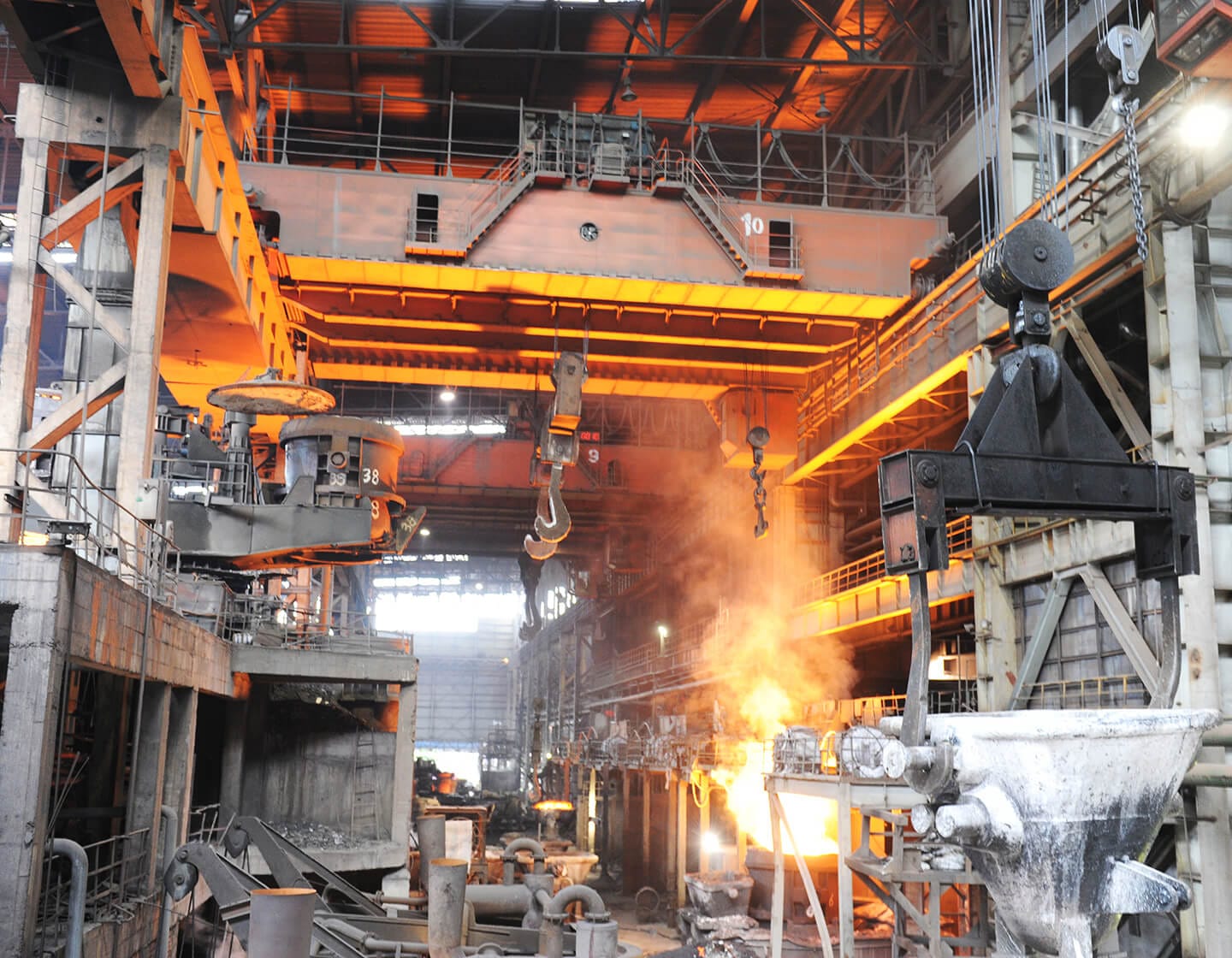
Cranes as the Backbone of Modern Steel Plants How the Right Steel Plant Crane Solutions Drive Efficiency, Safety,
Where Spider Cranes Really Shine: 7 Typical Applications & Real Project Scenarios
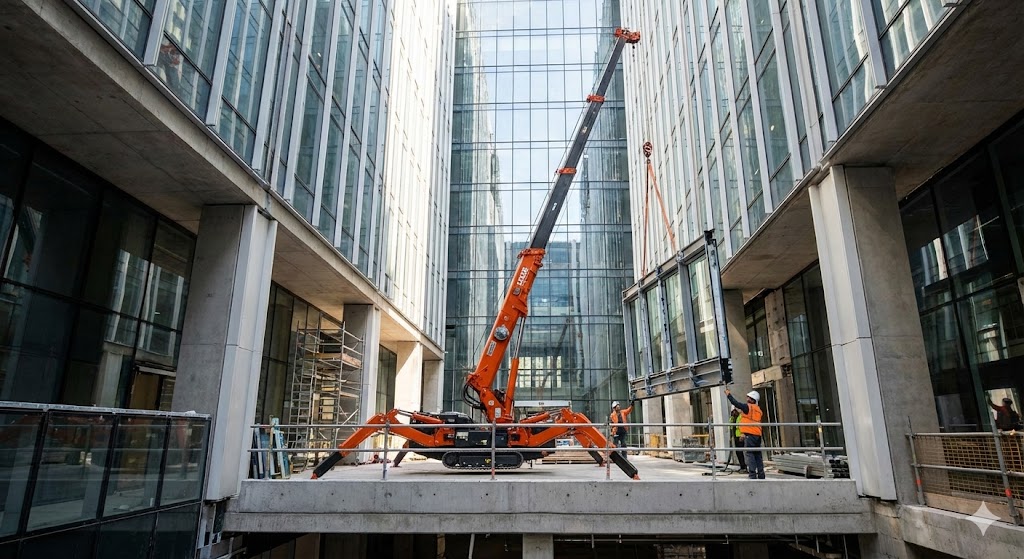
Where Spider Cranes Really Shine: 7 Typical Applications & Real Project Scenarios When people ask me about spider
Contact Us Now
Have questions about our cranes or need help?
Reach out to our friendly team for expert support and guidance.
We are here to help you power your journey towards a greener future !
Address: Crane Industry Park, Xinxiang City Henan Provice